
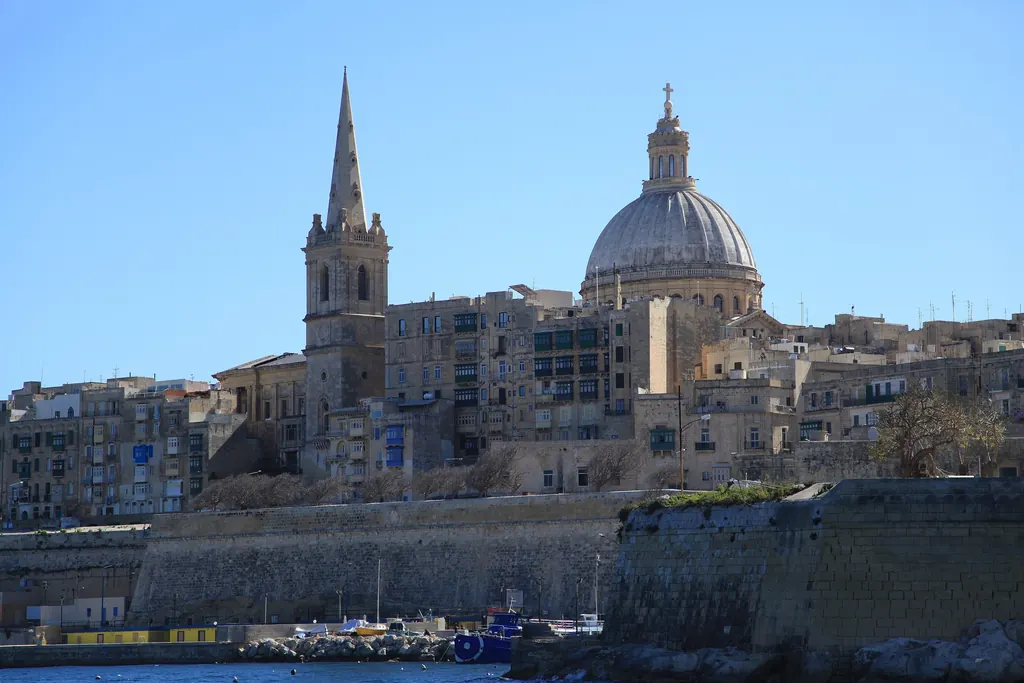
Moving to Malta — the complete guide
Everything you need to move to Malta in 2026 — residency routes, finding a home, registering, utilities, healthcare, schools, driving, pets, tax and daily life, with interactive checklists.

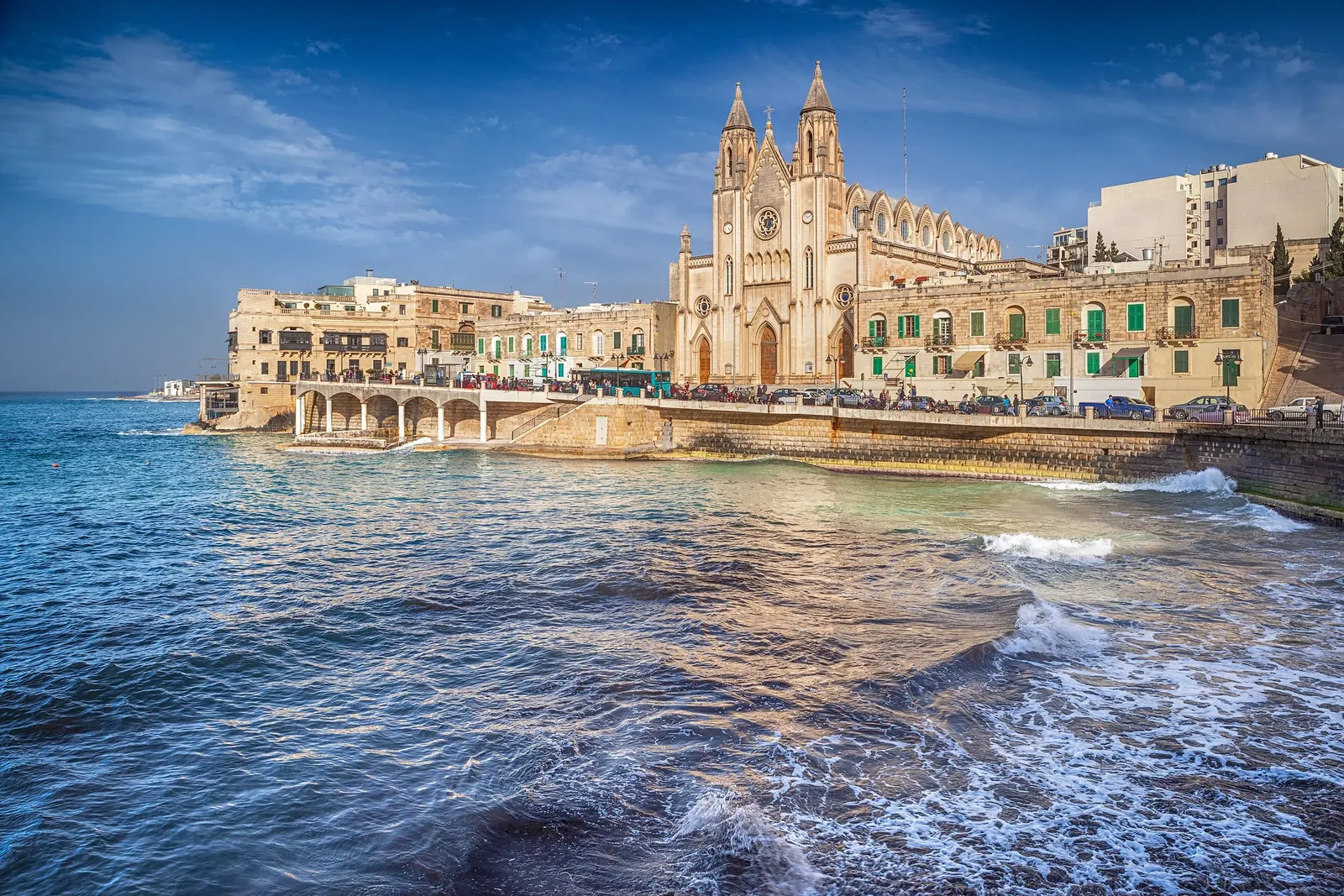
Checklists and practical guides for your first months — utilities, schools, healthcare, driving, pets and daily life.
Everything you need to move to Malta in 2026 — residency routes, finding a home, registering, utilities, healthcare, schools, driving, pets, tax and daily life, with interactive checklists.
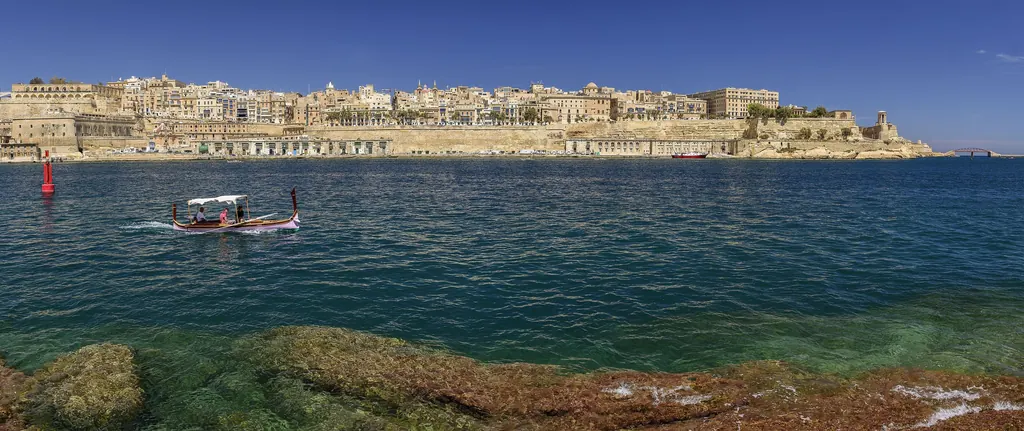
Where to live in Malta — the best towns for city living, seafront life, families, history, villas and value, with the pros and cons of each.
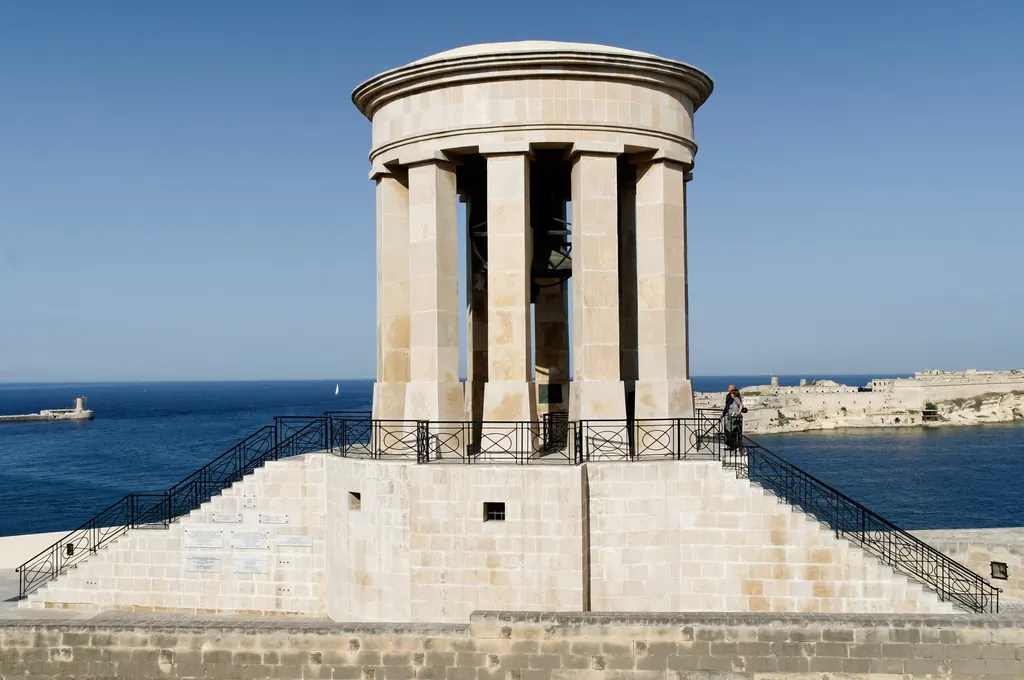
An interactive moving-to-Malta checklist — what to do six months, three months and one month before you move, on arrival and in your first 90 days. Progress saves in your browser.
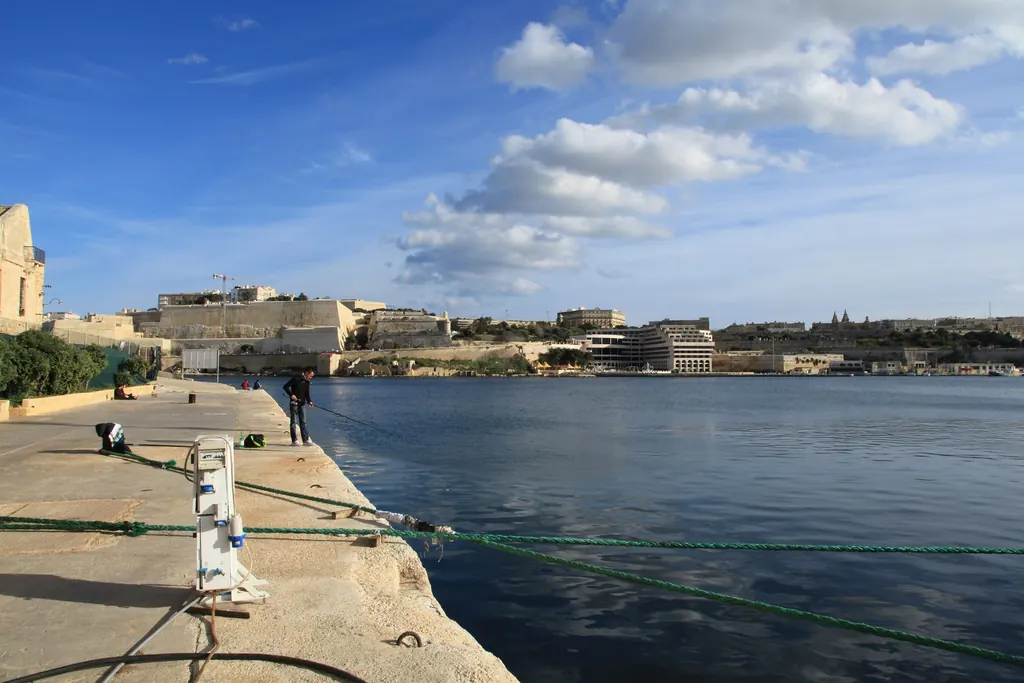
An interactive move-in checklist for Malta — keys and inventory, ARMS electricity and water, residential tariff, internet, safety checks, registration and neighbourhood essentials. Progress saves in your browser.
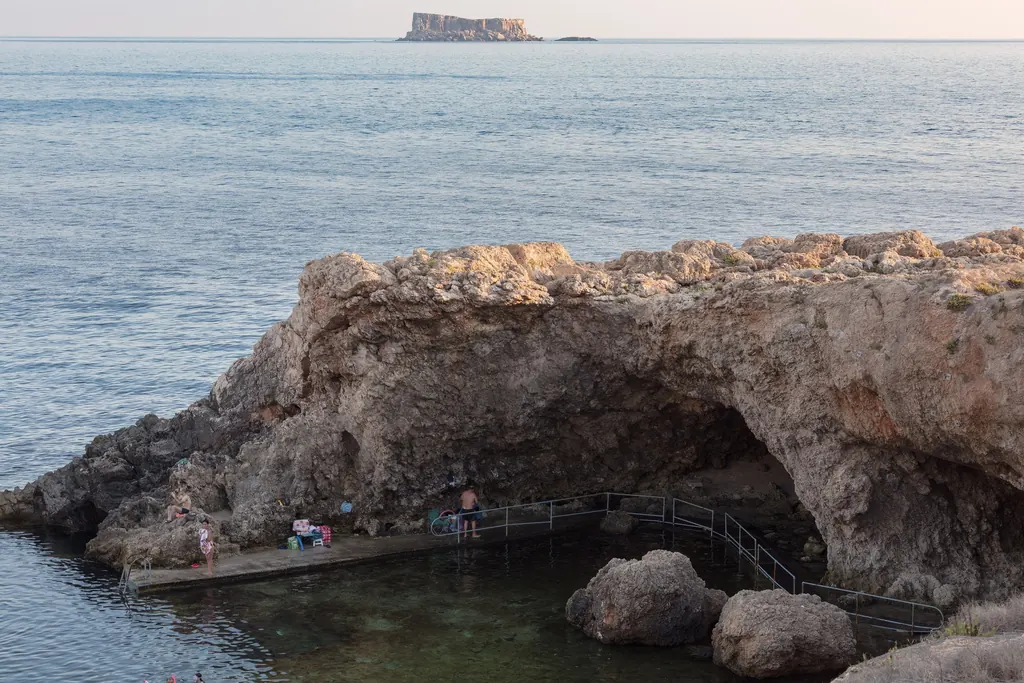
Setting up utilities in Malta — ARMS electricity and water accounts, Form F and Form H, the residential tariff, bottled gas, internet and mobile — for buyers, tenants and new arrivals.
International and independent schools in Malta — IB, British and American curricula — where they are, how to choose, and the neighbourhoods families choose to live near them.
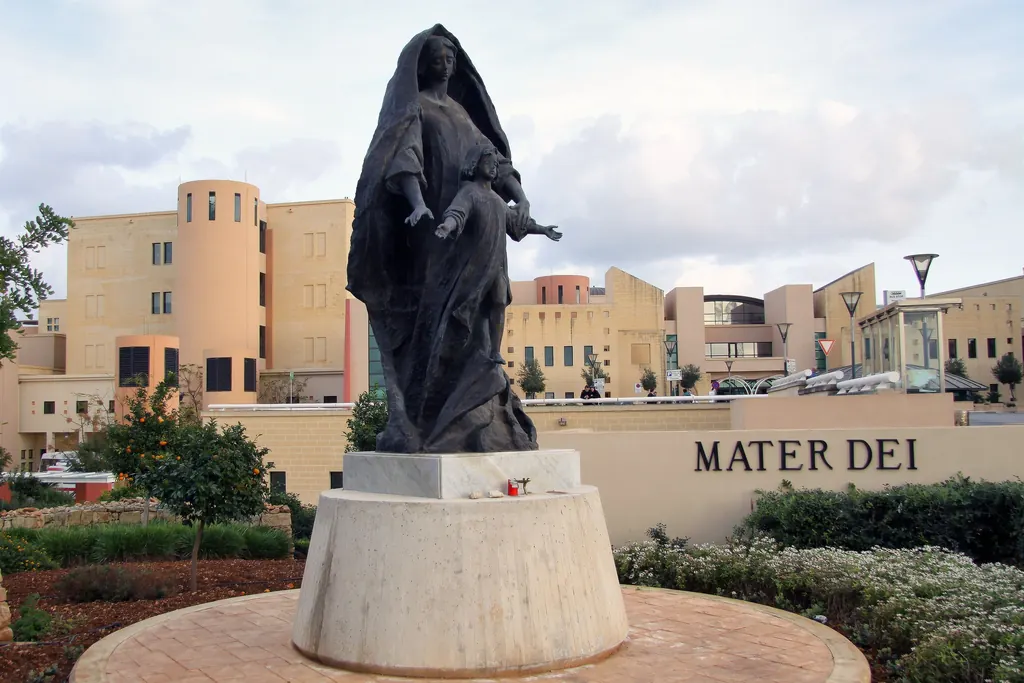
How healthcare works in Malta for expats — who can use free public care, the S1 form, Mater Dei Hospital, private clinics, and the health insurance residence programmes require.
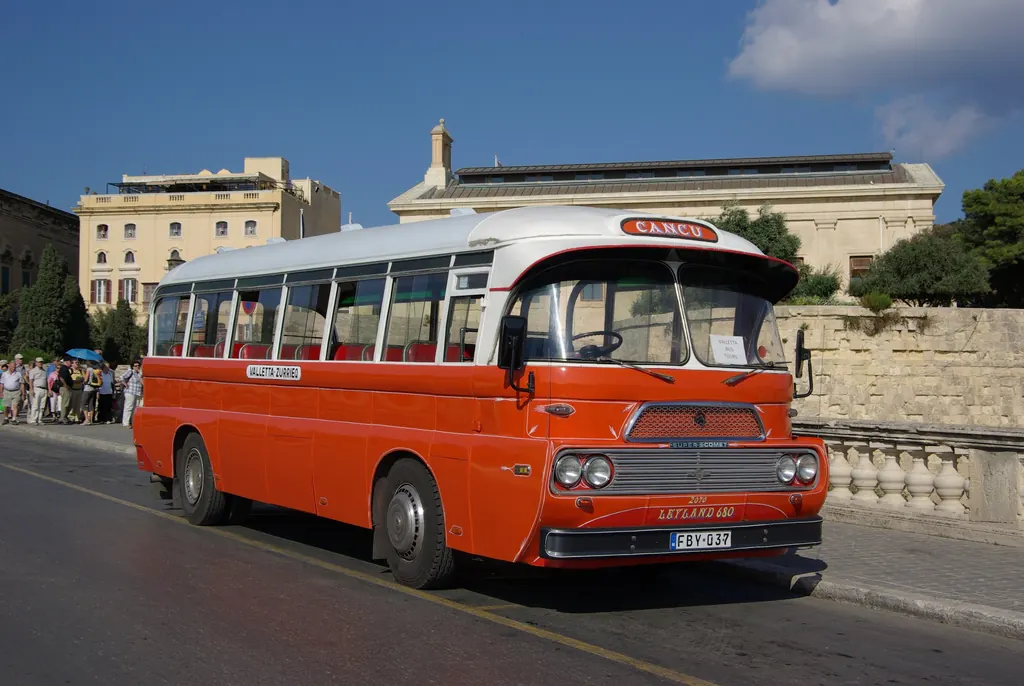
Driving in Malta as a new resident — driving on the left, using an EU or foreign licence, the 12-month rule, which licences can be exchanged, and alternatives from ferries to buses.
How to bring a dog or cat to Malta — microchip, rabies vaccination and the 21-day wait, EU pet passport or animal health certificate, tapeworm treatment for dogs and titre tests for unlisted countries.
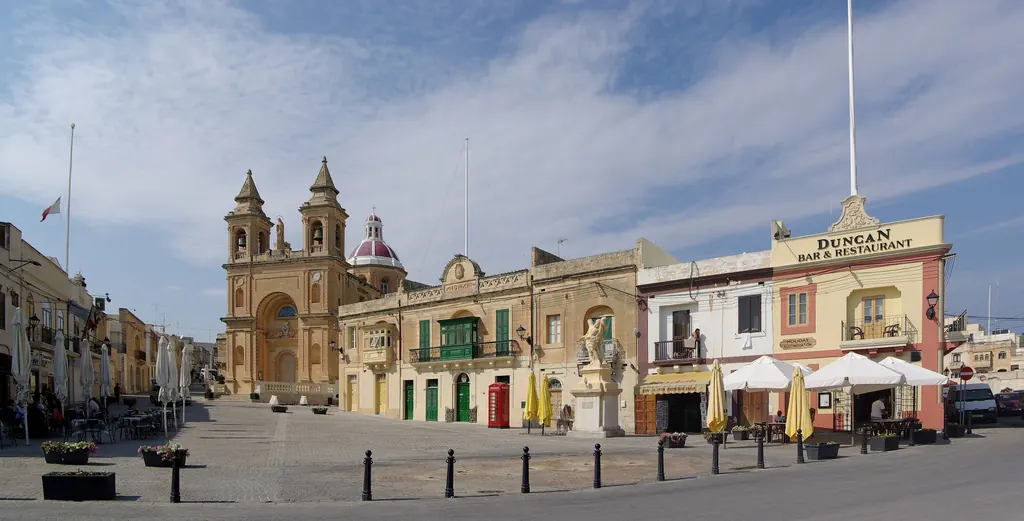
What it is like to live in Malta — the seasons, the language, food and festa season, getting around, the harbour towns versus the villages, Gozo, and the pros and cons honest locals will tell you.
How to open a bank account in Malta as a foreigner — the main banks, documents needed, source-of-funds checks, timelines and alternatives while you wait.
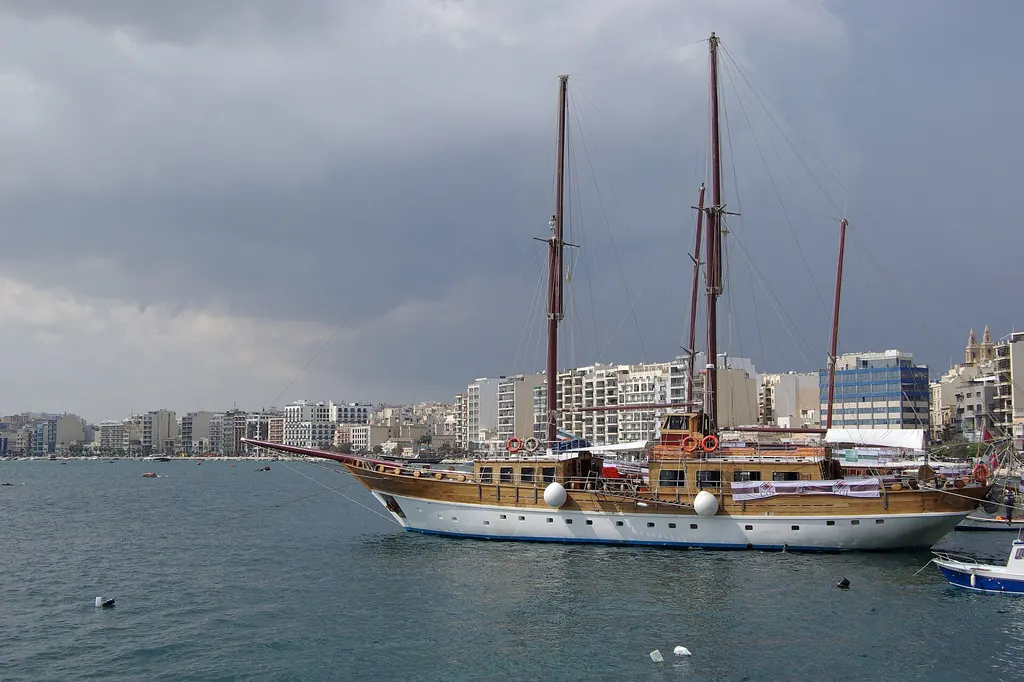
Getting around Malta — the bus network, the free Tallinja card for residents, the Valletta ferries, the Gozo ferry, taxis and ride-hailing, and living without a car.
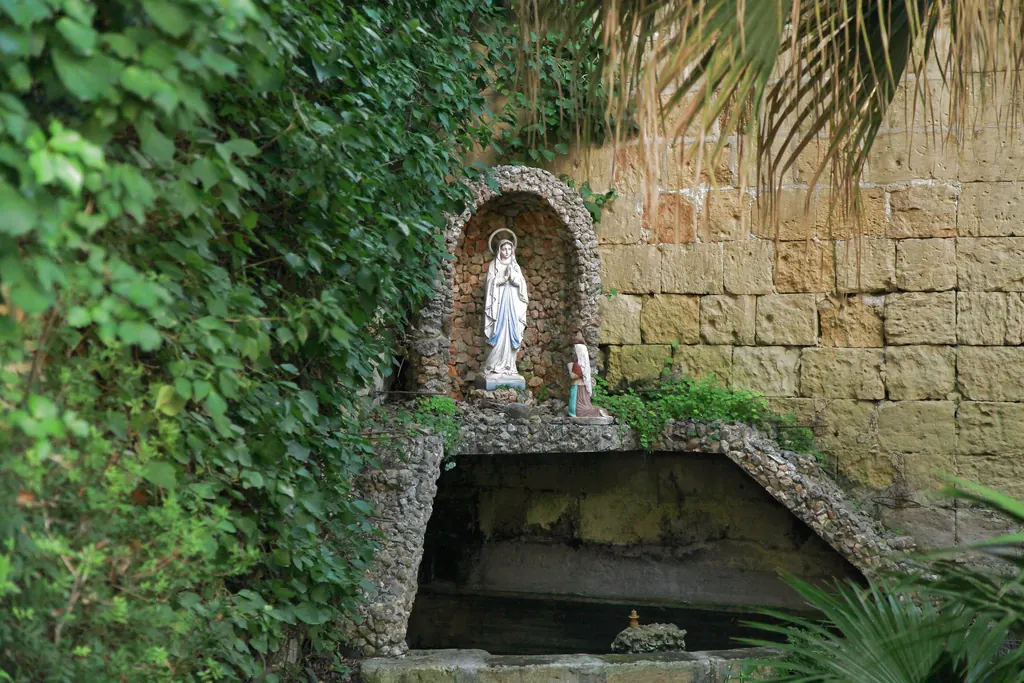
The best places to live in Malta with children — Swieqi, Madliena, the Three Villages, Mosta, Naxxar, Mellieħa and more — with schools, space and safety in mind.
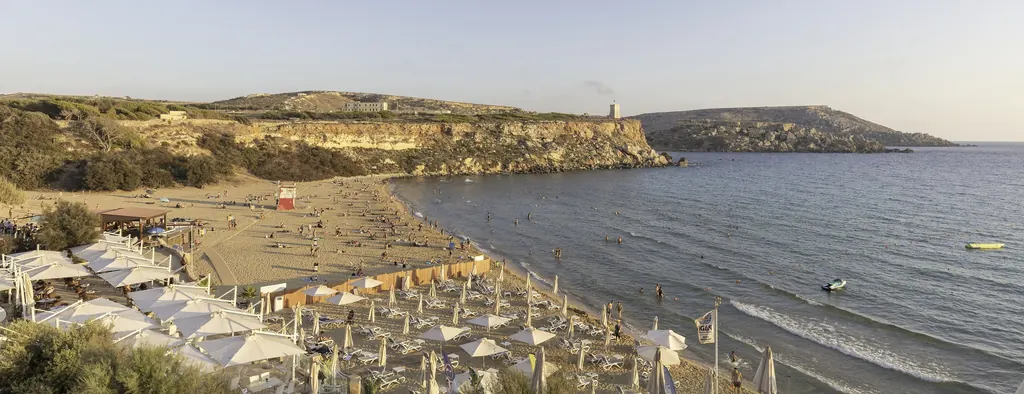
Malta’s climate month by month for residents — hot summers, mild winters, humidity, rain, sea temperatures — and what it means for choosing and running a home.
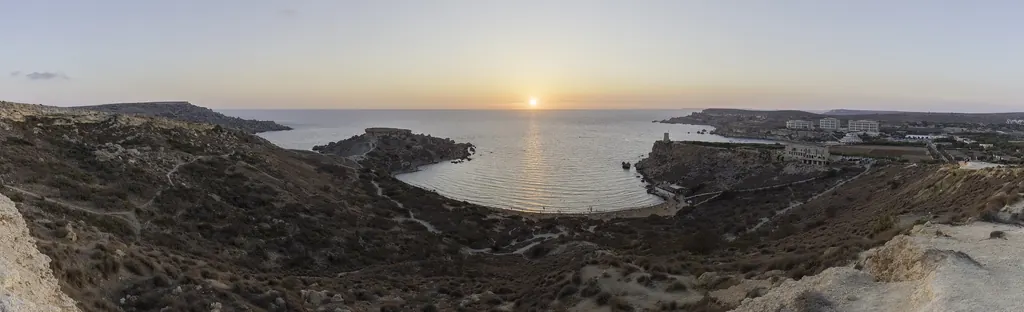
Relocating to Malta with children: schools, childcare, healthcare, family-friendly areas, activities, safety and paperwork for families.
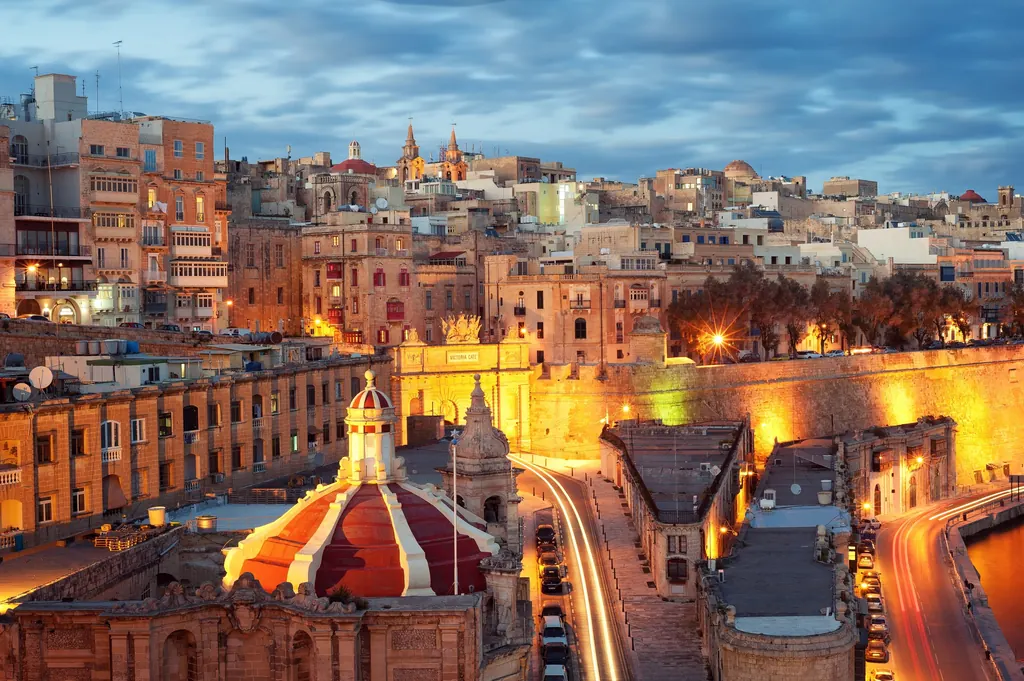
The cost of living in Malta explained: housing, utilities, groceries, eating out, transport, healthcare, schools and how costs vary by area and lifestyle.
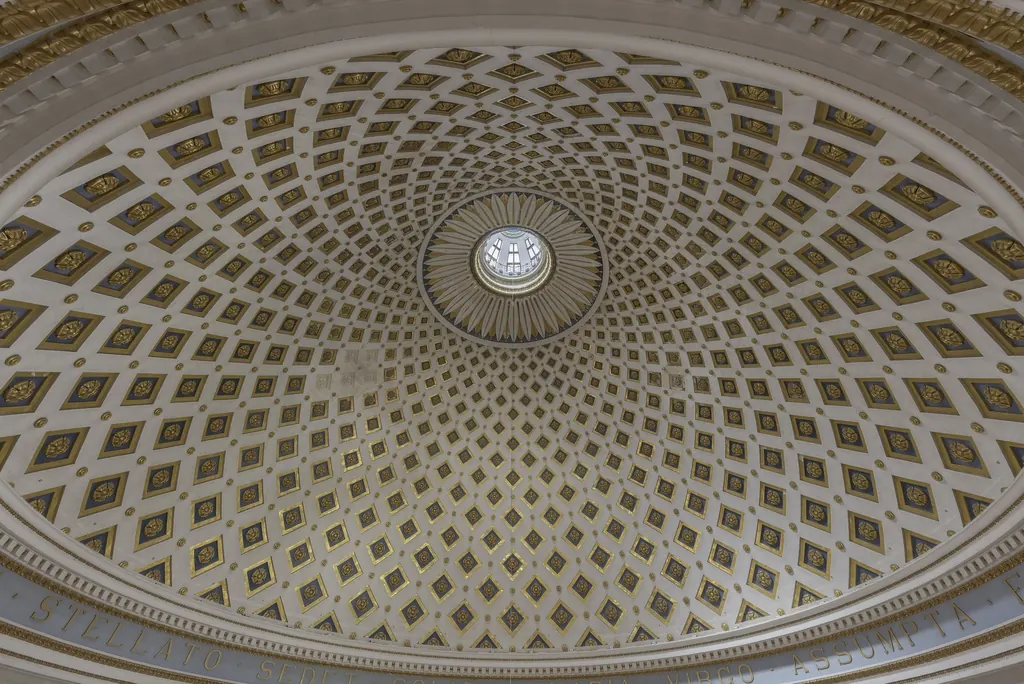
Living in Mosta: the Rotunda, central location, schools, transport and the homes on offer — a buyer’s guide to one of Malta’s largest towns.
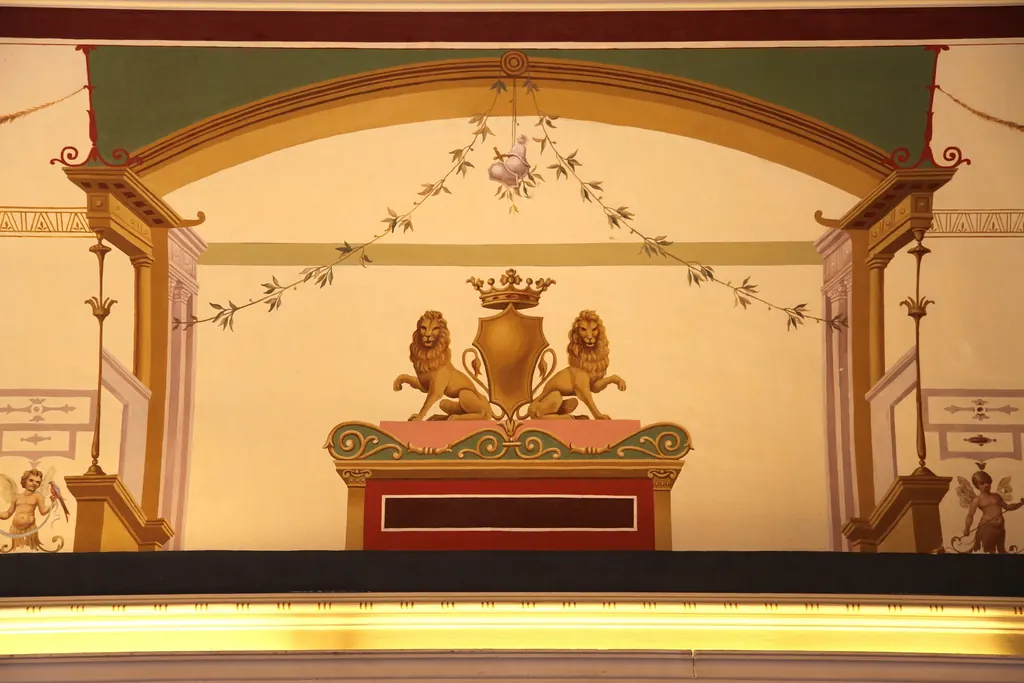
Living in Naxxar: Palazzo Parisio, the parish square, San Pawl tat-Targa villas and the homes on offer — a buyer’s guide to one of Malta’s most popular central towns.
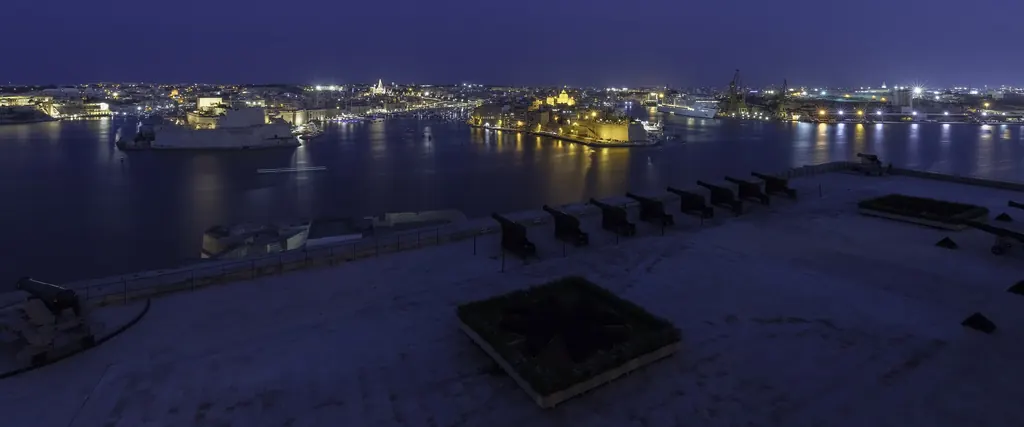
How to move your belongings to Malta: removal companies, groupage and full containers, timing, customs for EU and non-EU movers, cars and pets.
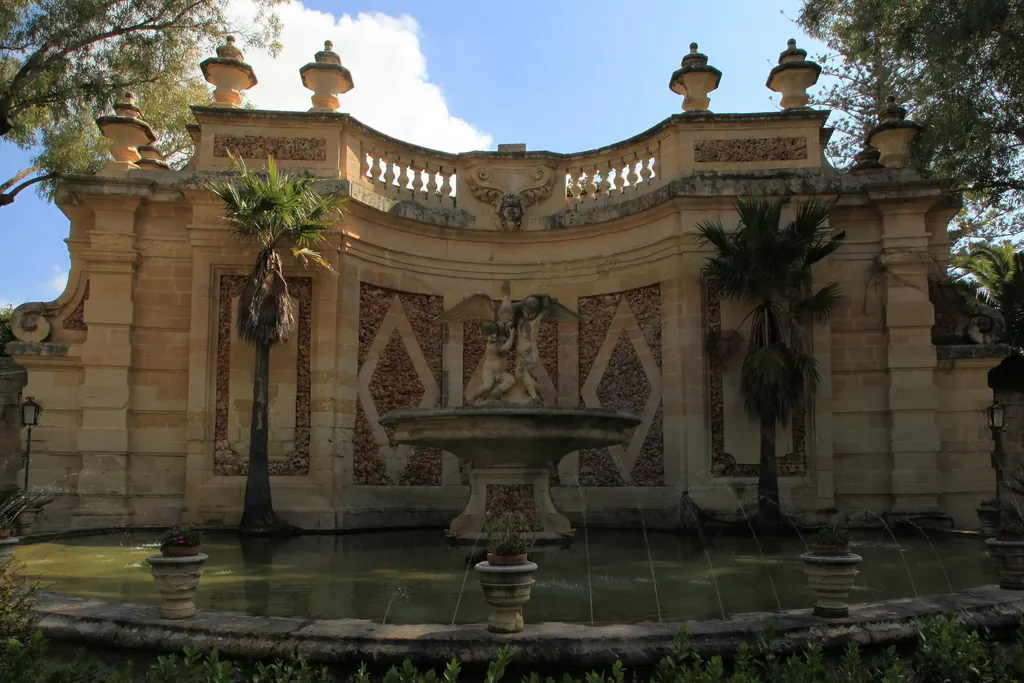
Living in Attard: San Anton Palace and Gardens, Ta’ Qali, villas and family homes — a buyer’s guide to the greenest of Malta’s Three Villages.
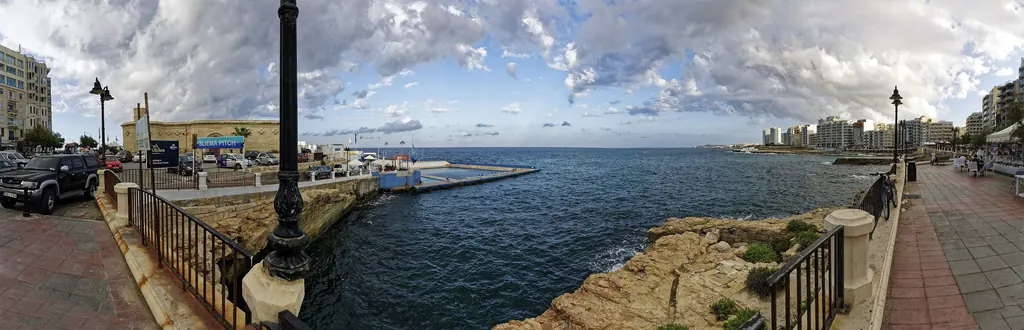
Getting connected in Malta: the main mobile and broadband providers (GO, Melita, Epic), fibre and cable internet, SIM cards and setting up at a new home.
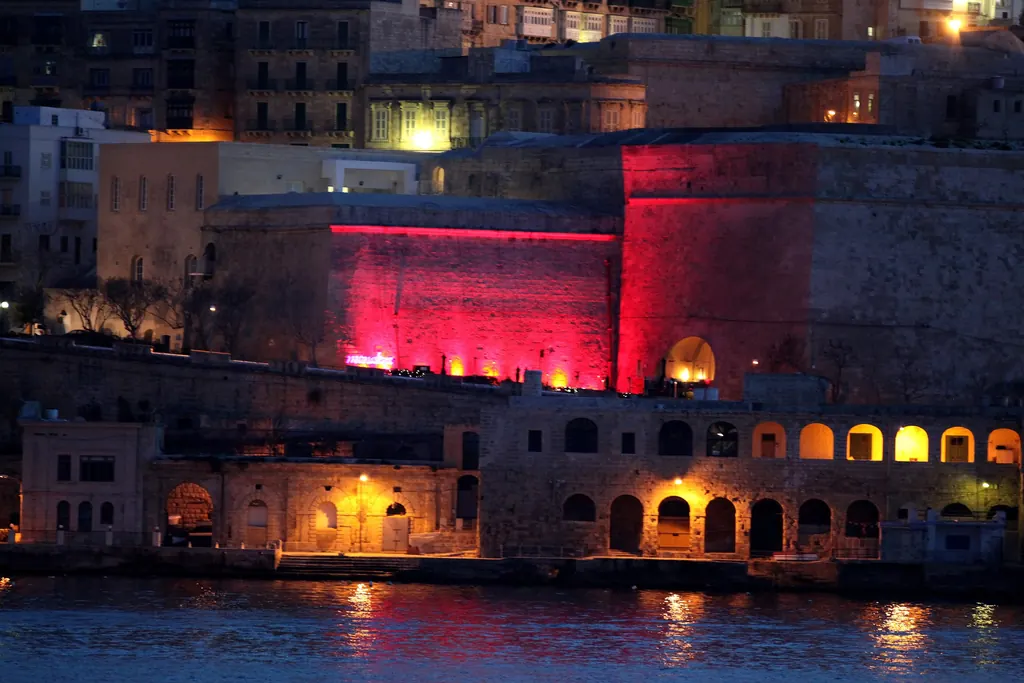
What languages are spoken in Malta: Maltese and English as official languages, Italian, learning Maltese, and what newcomers need day to day.
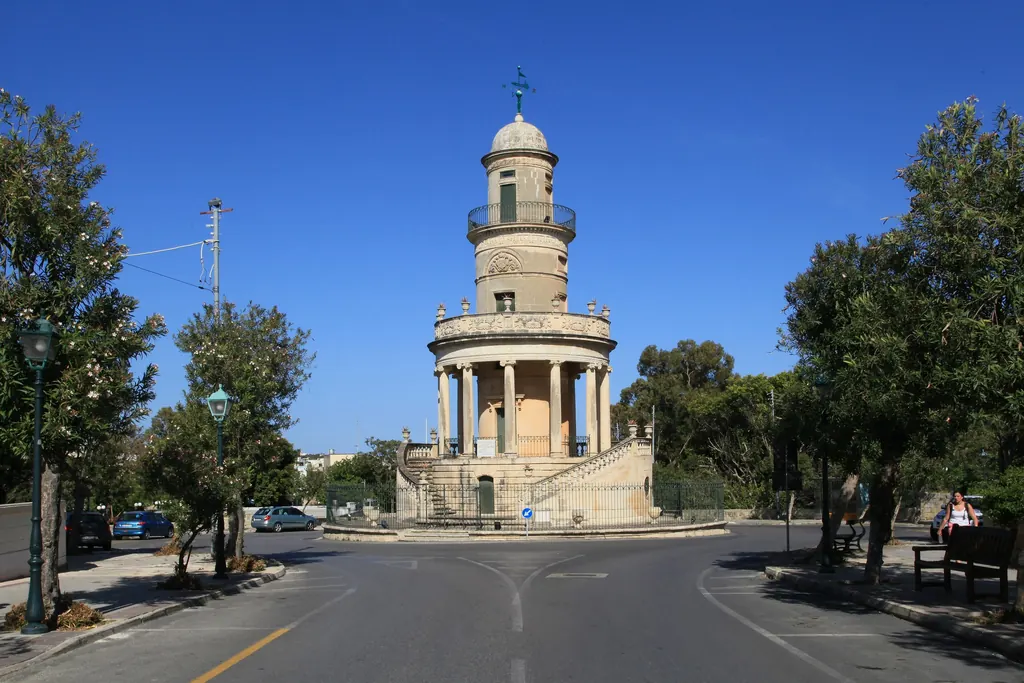
Living in Lija: the Belvedere, the Transfiguration festa and its fireworks, villas and houses of character — a buyer’s guide to one of Malta’s Three Villages.
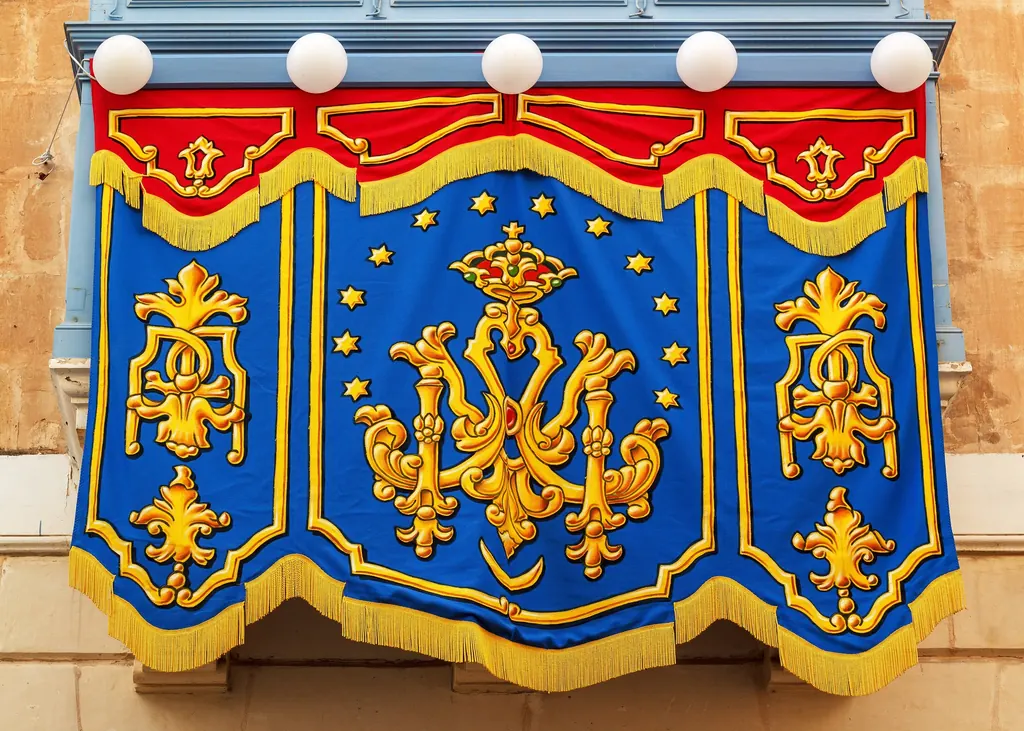
Living in Balzan: a historic core, quiet streets and San Anton Gardens nearby — a buyer’s guide to the most compact of Malta’s Three Villages.

Malta’s 14 public holidays — national holidays and feasts — with what each one commemorates and what it means for daily life.
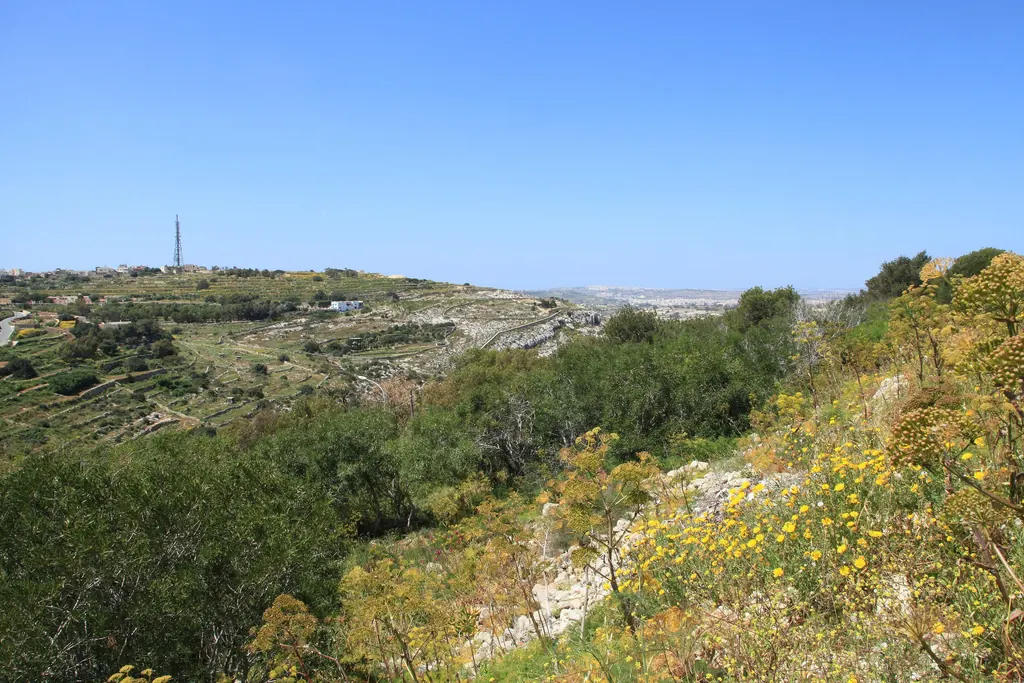
Living in Għargħur: a hilltop village near the Victoria Lines with villas, character homes and views — a buyer’s guide.
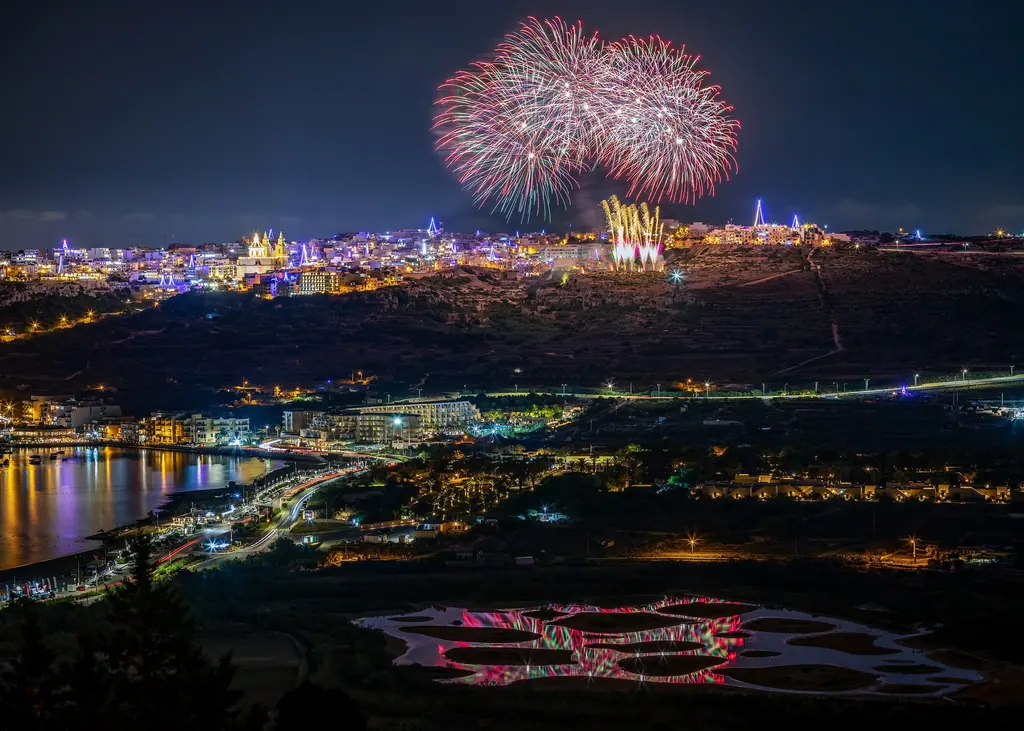
What the Maltese village festa is: patron saints, processions, band marches, decorations, fireworks and petards — and what living near a festa means.

Maltese food explained: pastizzi, ftira, rabbit stew, lampuki, local wines and markets — and where Malta’s dining scene shines.
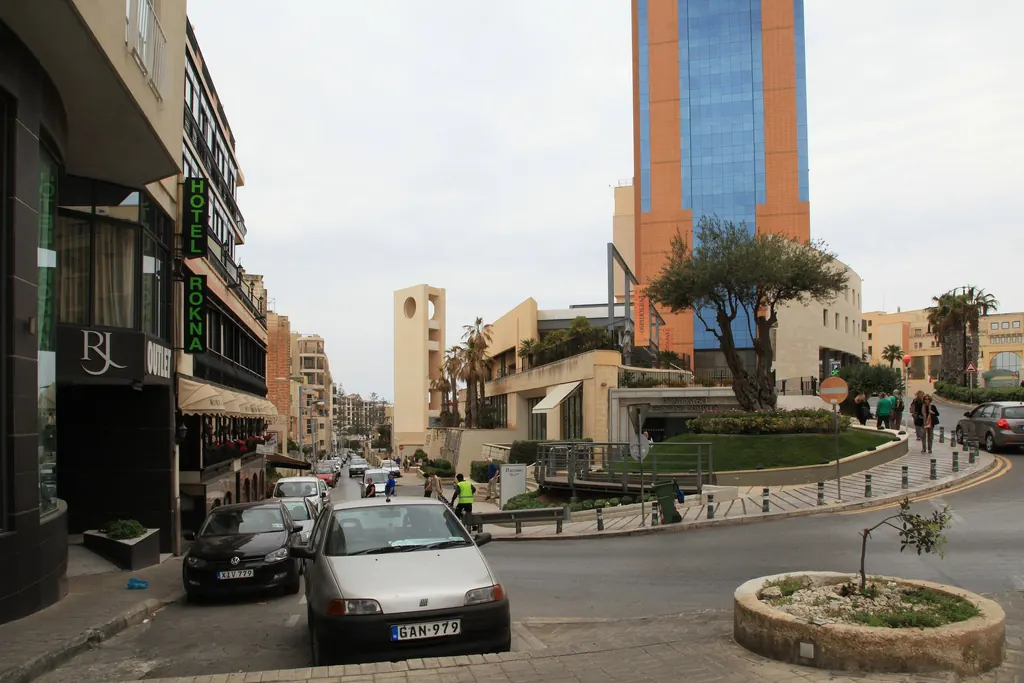
Living in San Ġwann: Kappara, Ta’ Ġiorni, central location next to St Julian’s, and good value apartments, maisonettes and villas — a buyer’s guide.
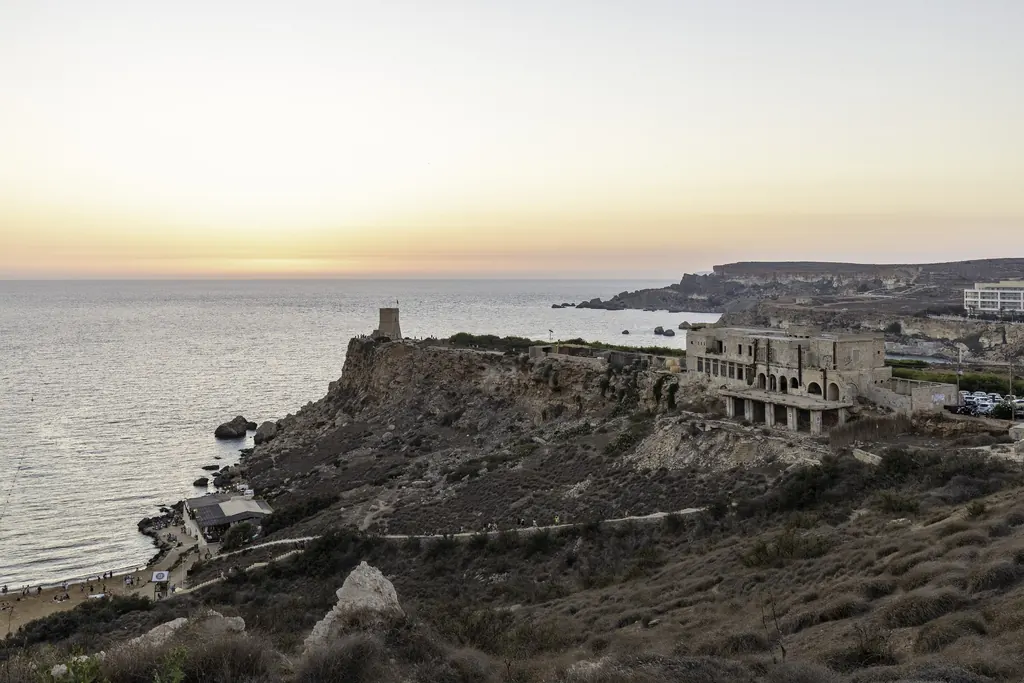
Malta’s best beaches and swimming spots: Golden Bay, Għajn Tuffieħa, Mellieħa Bay, Paradise Bay, Pretty Bay, St George’s Bay and the rocky lidos of Sliema.
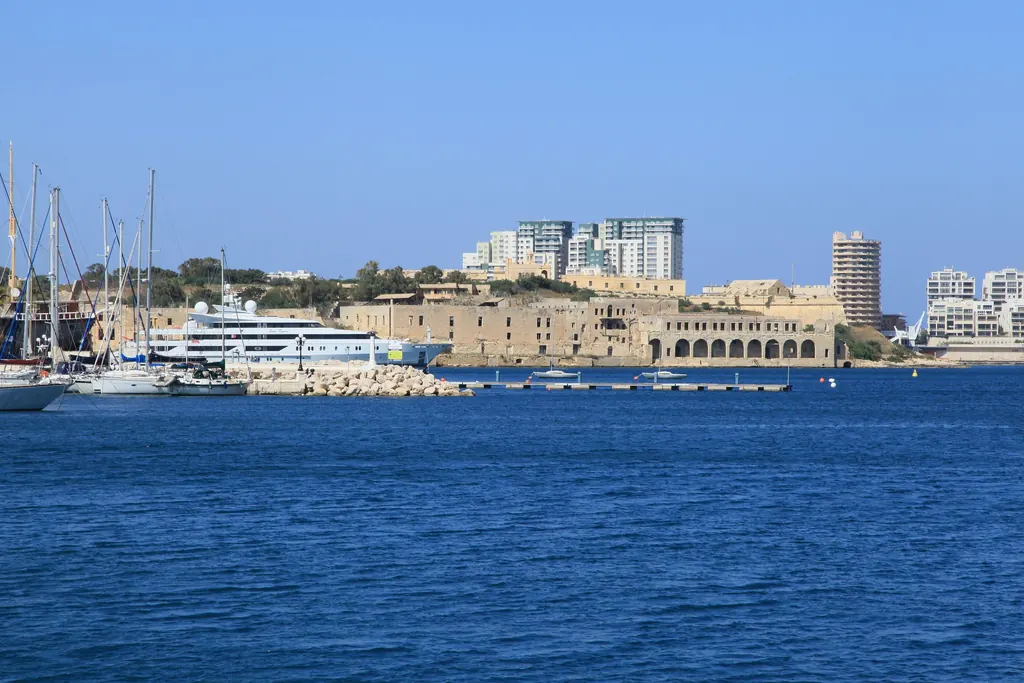
Living in Msida: the University of Malta, Mater Dei Hospital, the yacht marina and the waterfront — a buyer’s and investor’s guide.
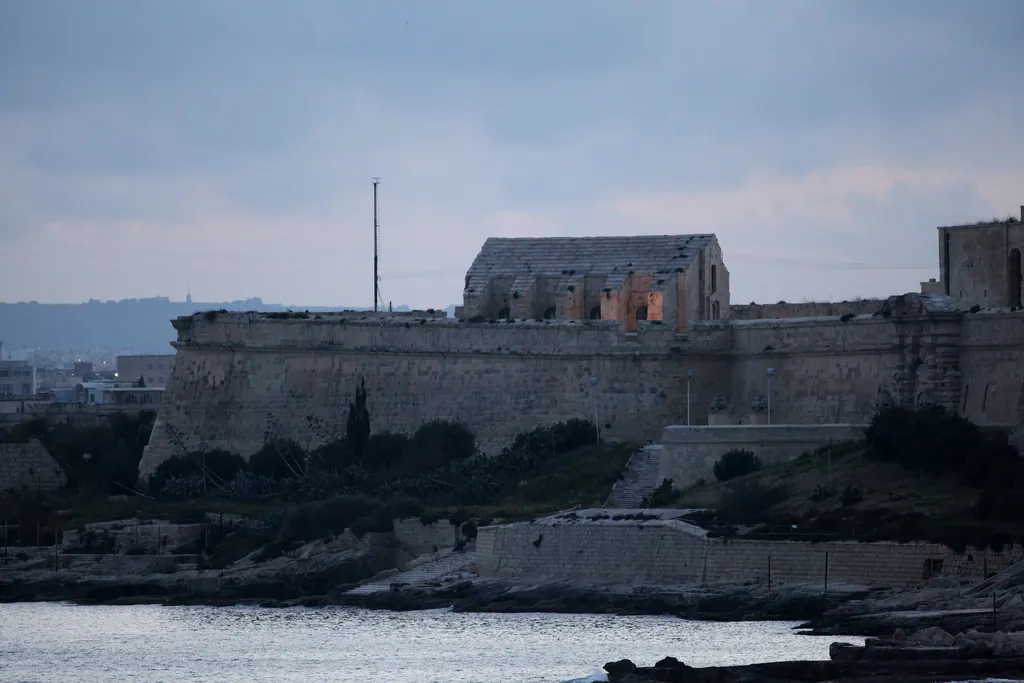
Living in Gżira: the Strand promenade, Manoel Island and views of Valletta, between Sliema and Ta’ Xbiex — a buyer’s guide.
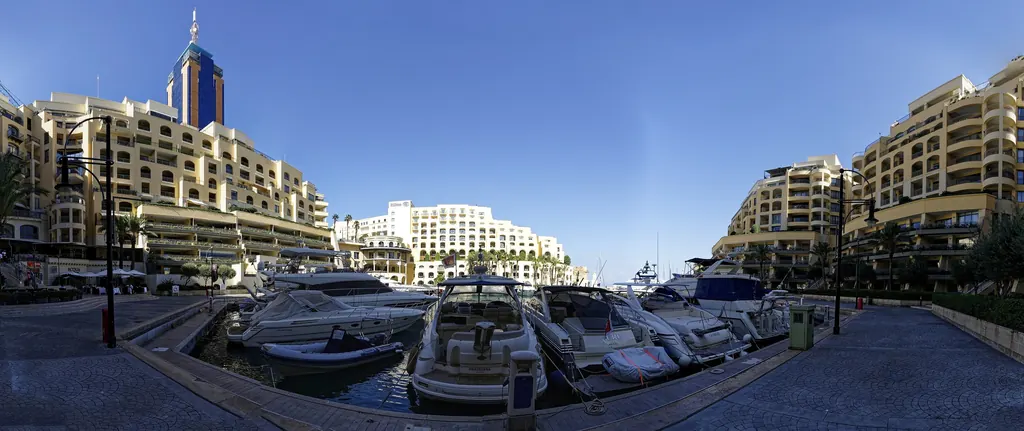
Malta’s marinas for boat owners: Grand Harbour Marina, Msida and Ta’ Xbiex, Portomaso, Manoel Island and more — berths, buying with a home and practical tips.
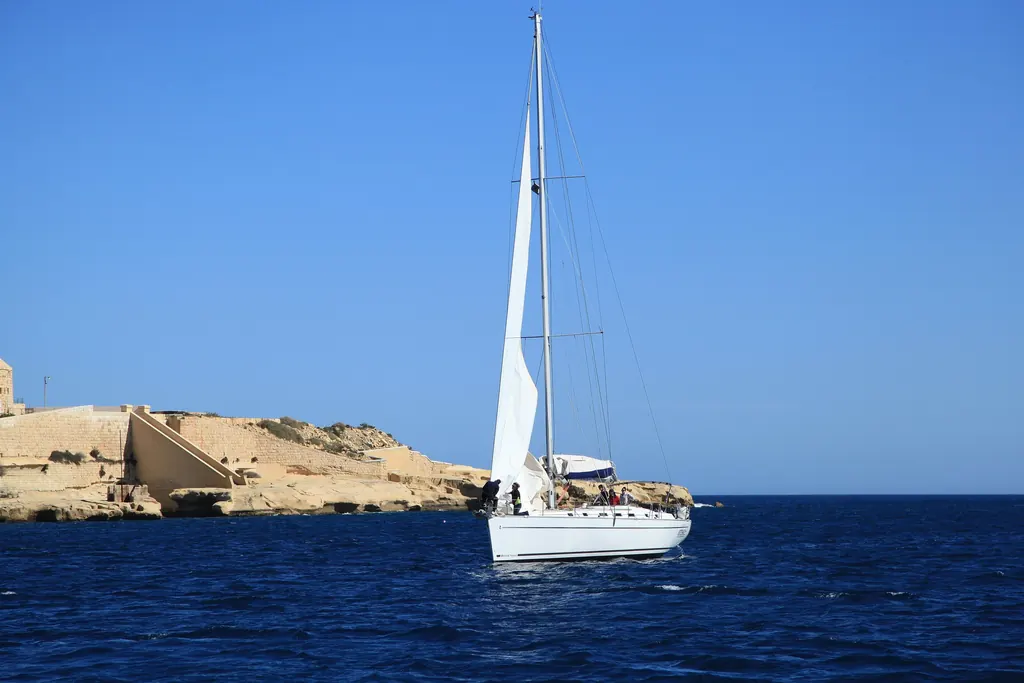
Sports and clubs in Malta for residents: the Royal Malta Golf Club, sailing and water sports, diving, football, water polo, running and gyms.
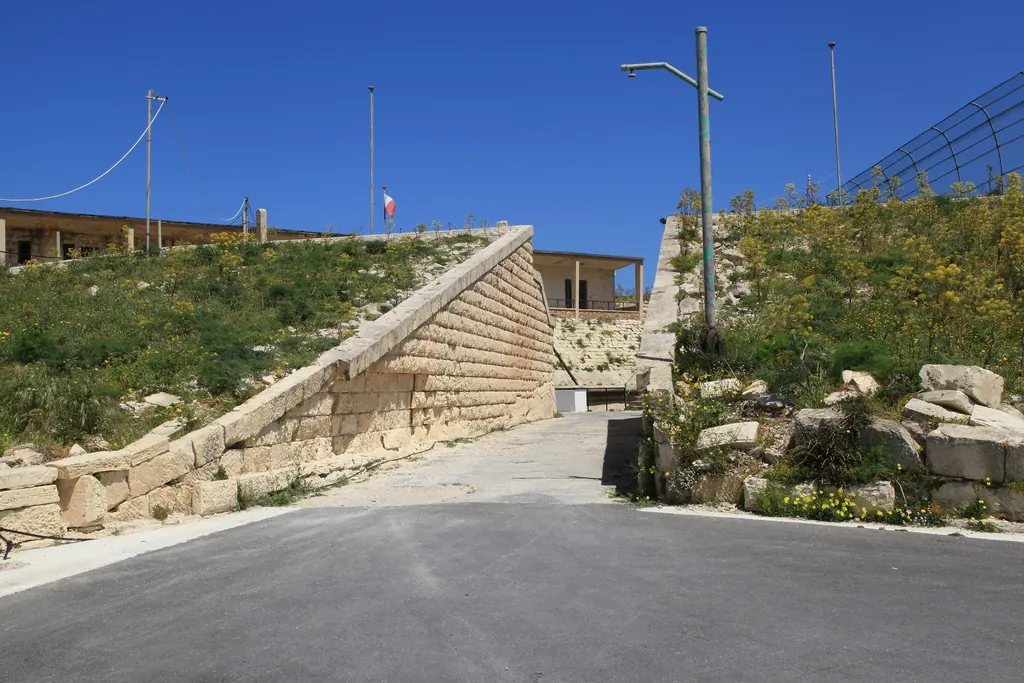
Living in Pembroke: a former British garrison town with international schools, open coastline and quiet streets next to St Julian’s — a buyer’s guide.

The best walks in Malta: Dingli Cliffs, the Victoria Lines, Il-Majjistral Nature and History Park, coastal paths and village countryside — with practical tips.
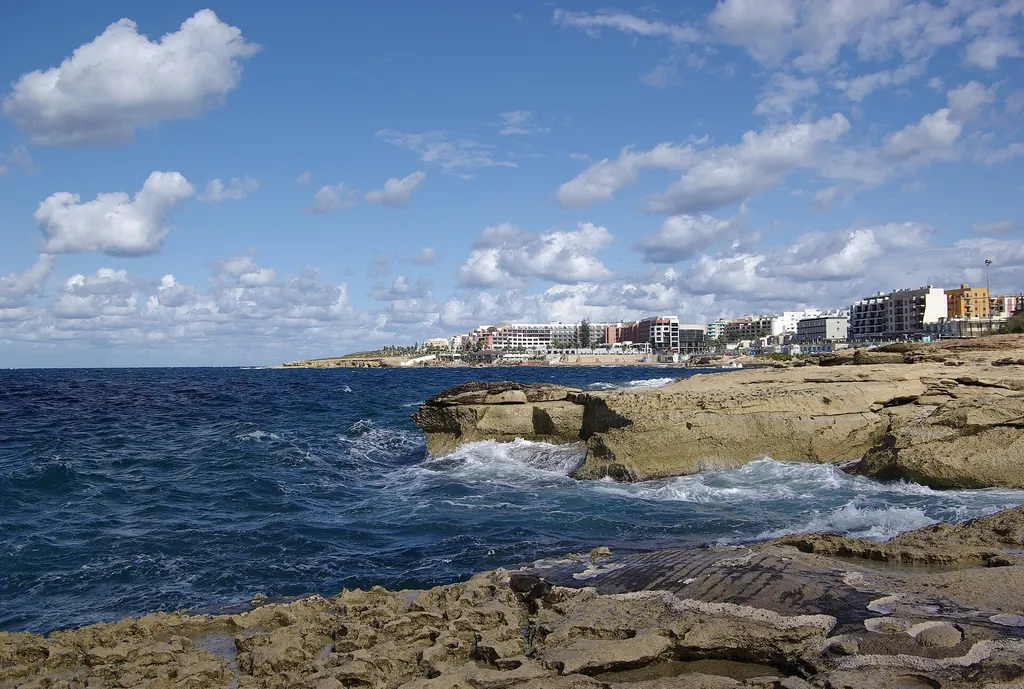
Living in St Paul’s Bay: Qawra, Buġibba, Xemxija and Burmarrad, the seafront, the National Aquarium and good-value apartments — a buyer’s guide.
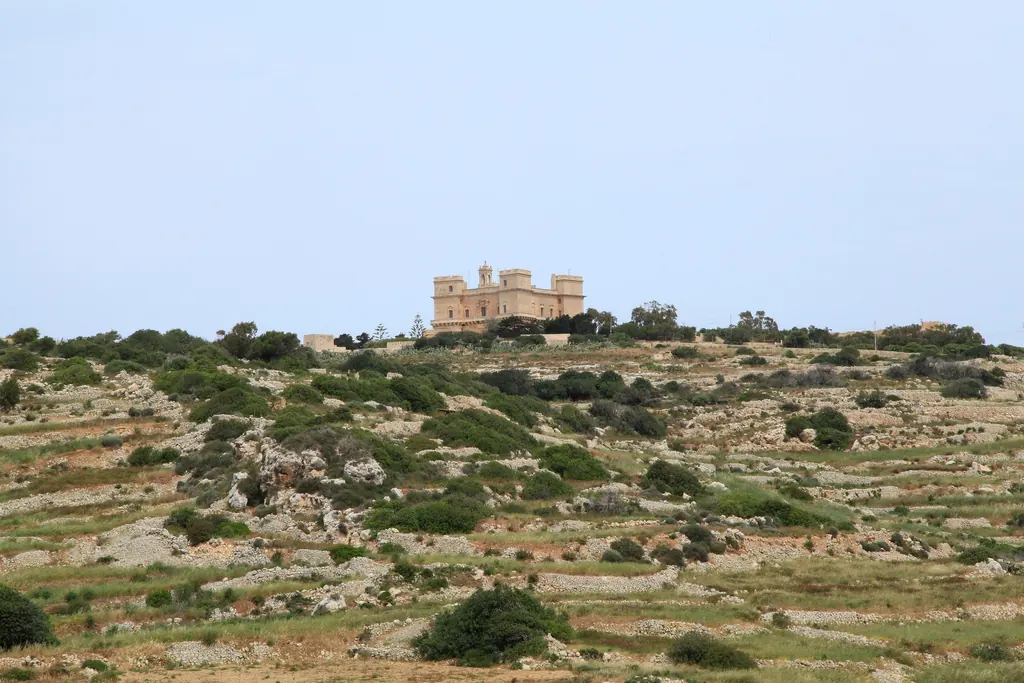
Living in Qawra and Buġibba: promenades, beaches, the National Aquarium, restaurants and affordable sea-view apartments — a buyer’s guide.
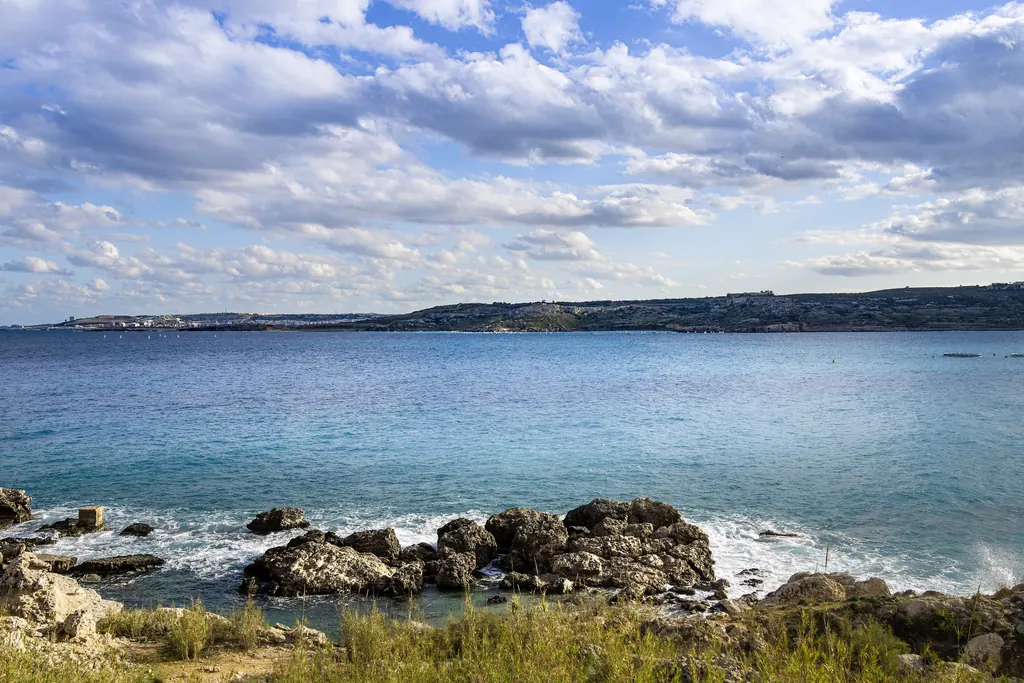
Retiring to Malta: climate, English language, healthcare, community, where retirees live, residency options including the Malta Retirement Programme, and property choices.
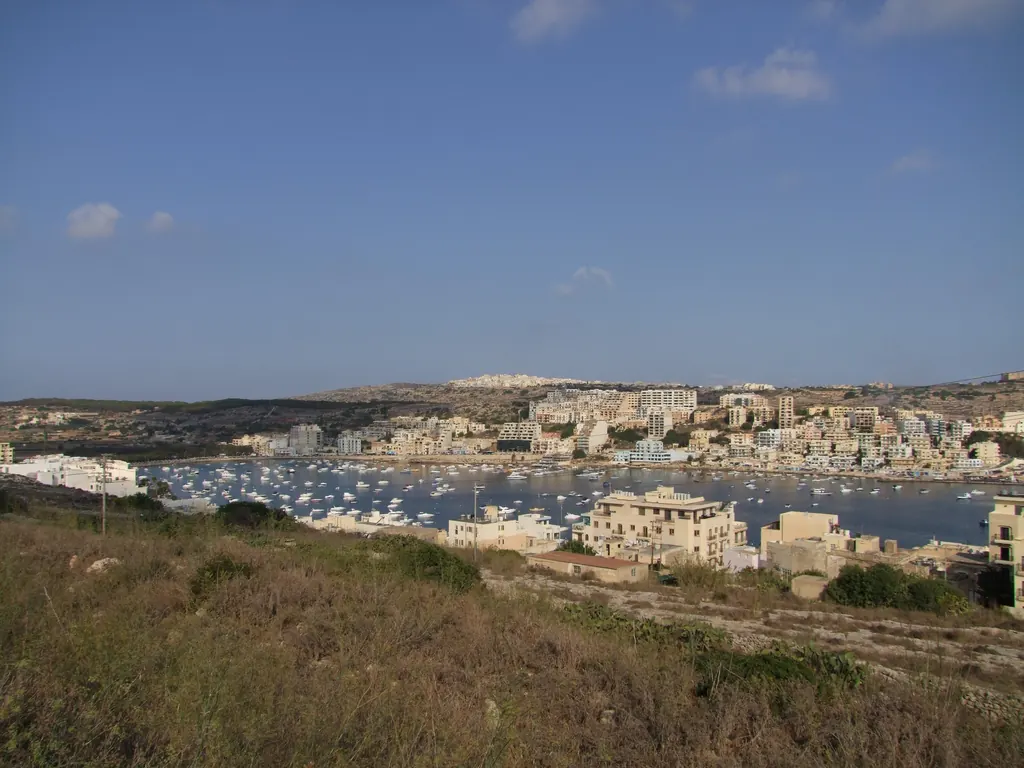
Living in Xemxija: a quieter hillside village above the inner bay of St Paul’s Bay, with sea views and countryside walks — a buyer’s guide.
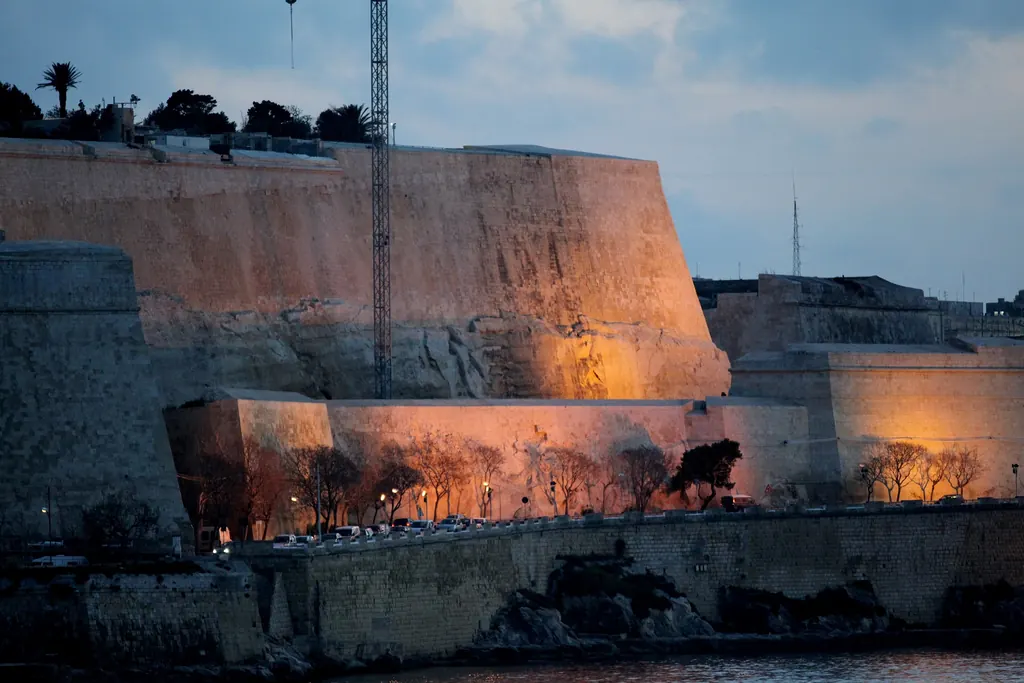
Safety in Malta for residents and families: everyday safety, roads and traffic, the sea and sun, nightlife areas, home security and emergency numbers.
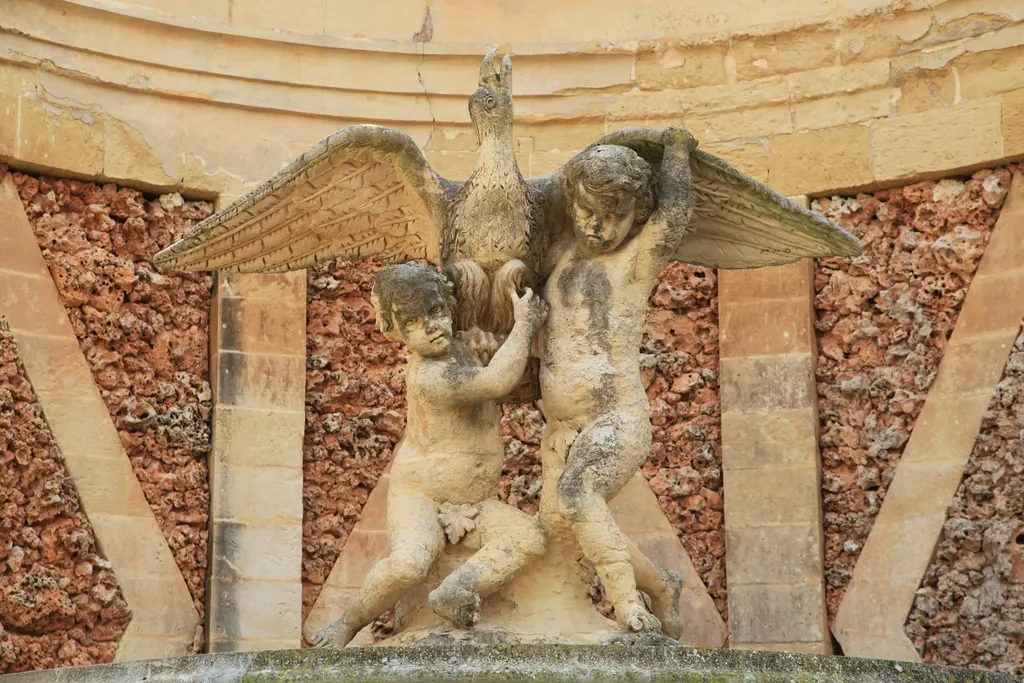
Childcare in Malta explained: the Free Childcare Scheme for working and studying parents, eligibility, registered centres, Kinder classes and private options.
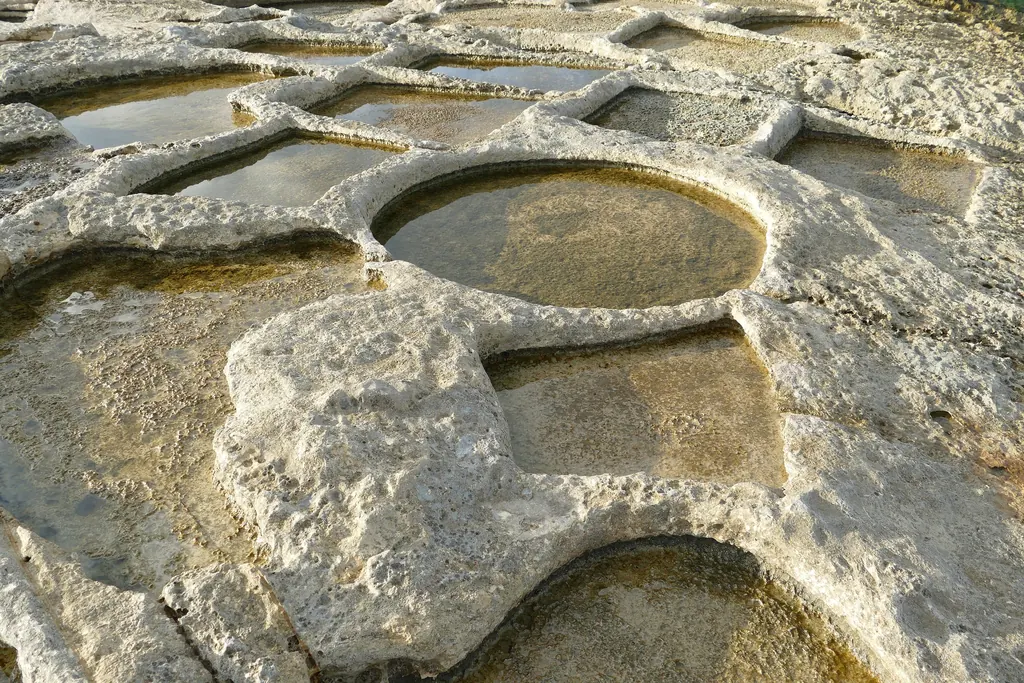
Living in Marsascala (Marsaskala): the bay, St Thomas Bay, St Thomas Tower and seafront apartments at lower prices — a buyer’s guide.
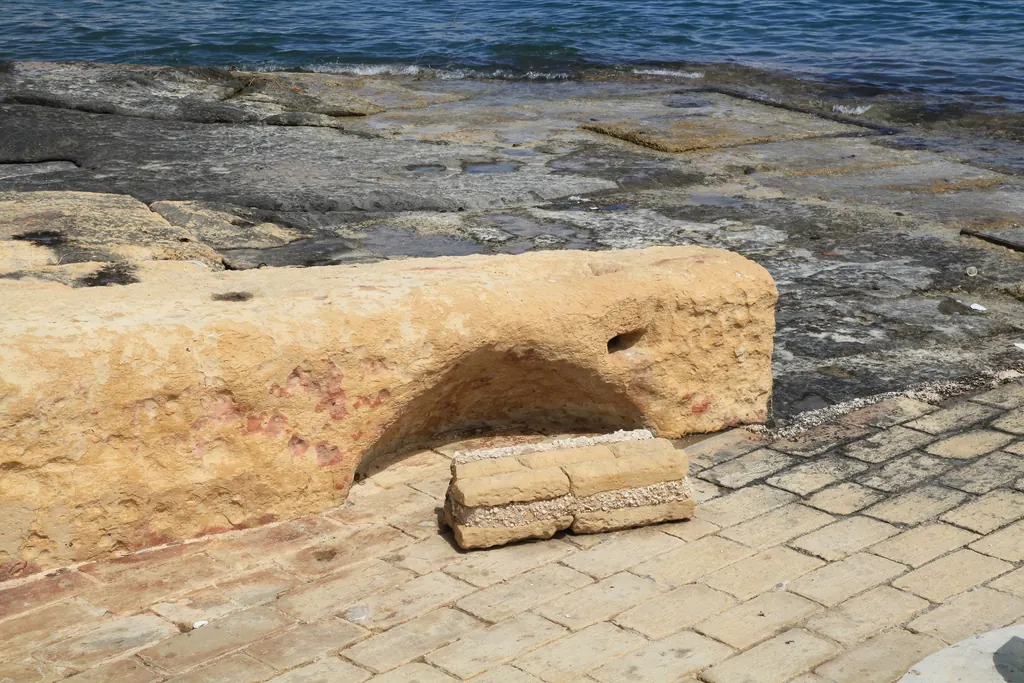
Living in Birżebbuġa: Pretty Bay’s sandy beach, Għar Dalam cave, Borġ in-Nadur and affordable seafront homes in the south of Malta — a buyer’s guide.
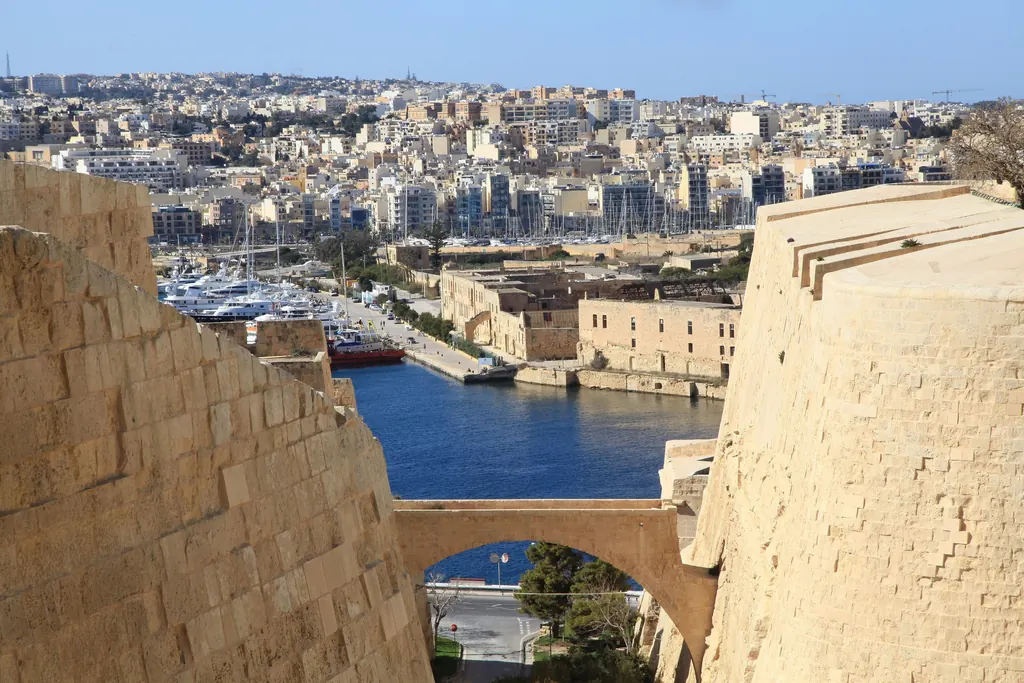
A guide to Maltese architecture for home buyers: globigerina limestone, the gallarija balcony, Baroque townhouses, farmhouses and what they mean for owning a historic home.
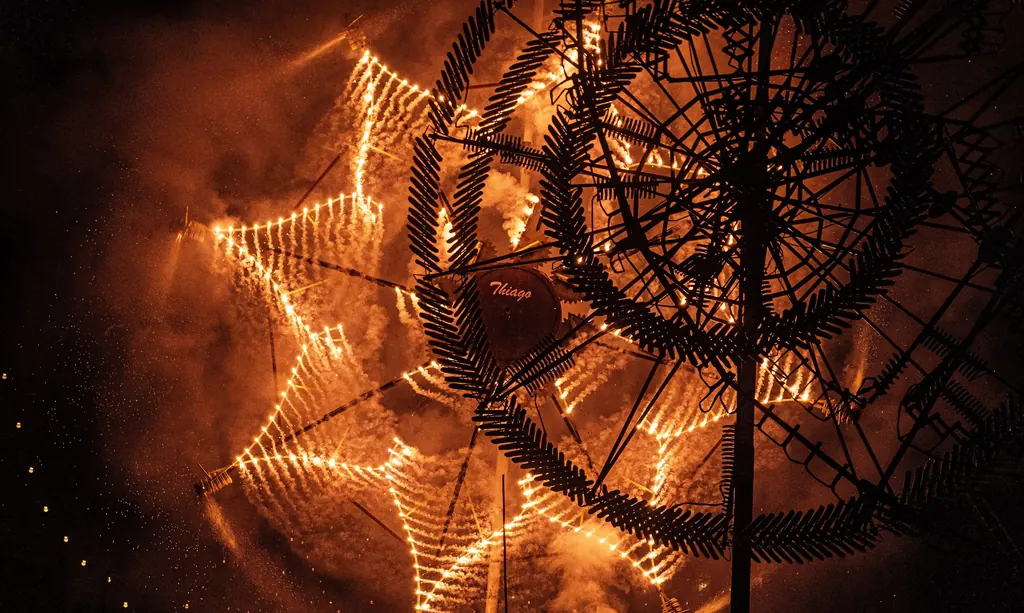
Living in Żejtun: Malta’s ‘olive city’, Lorenzo Gafà’s church of St Catherine, a Roman villa and houses of character — a buyer’s guide.
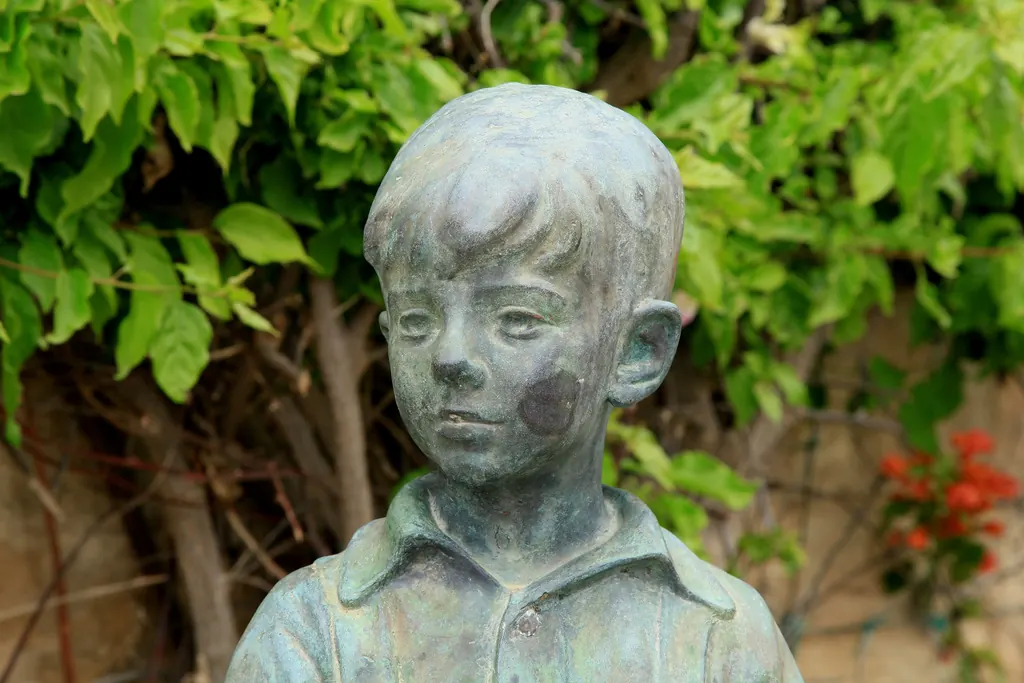
How to renovate a Maltese house of character: architects and permits, conservation areas, stone and timber, damp, services, pools and budgeting.
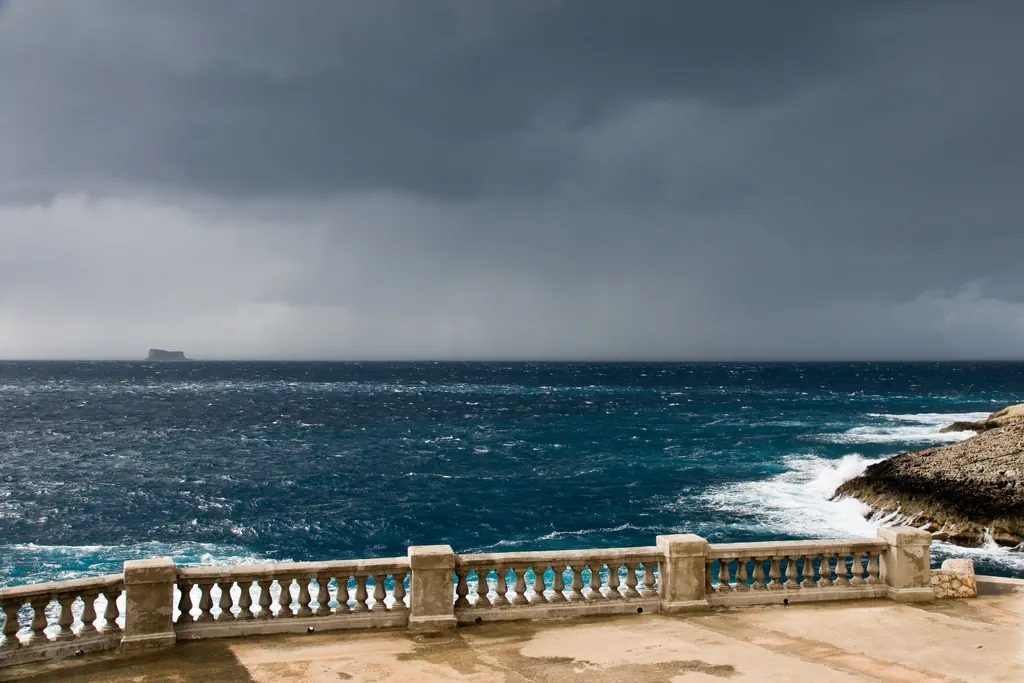
Living in Żurrieq: a historic southern town near the Blue Grotto and Wied iż-Żurrieq, with houses of character and countryside — a buyer’s guide.
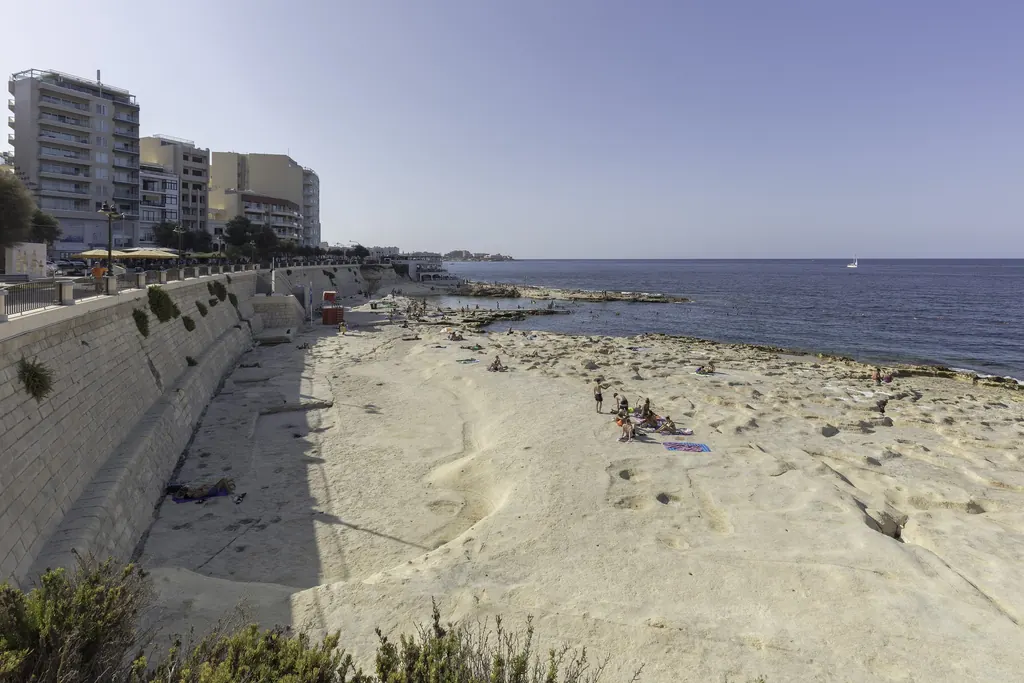
Making a Maltese home efficient: solar photovoltaic panels, solar water heating, insulation, glazing, efficient air conditioning — and checking current government schemes.
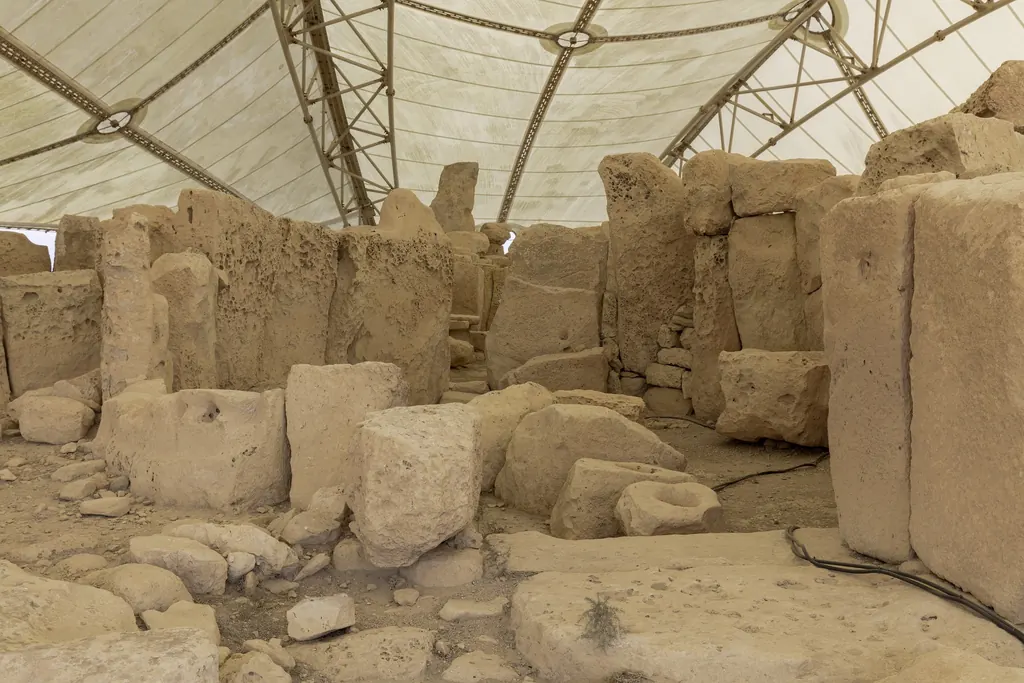
Living in Qrendi: a quiet southern village near Ħaġar Qim and Mnajdra, the Blue Grotto and the Maqluba — a buyer’s guide to countryside living.
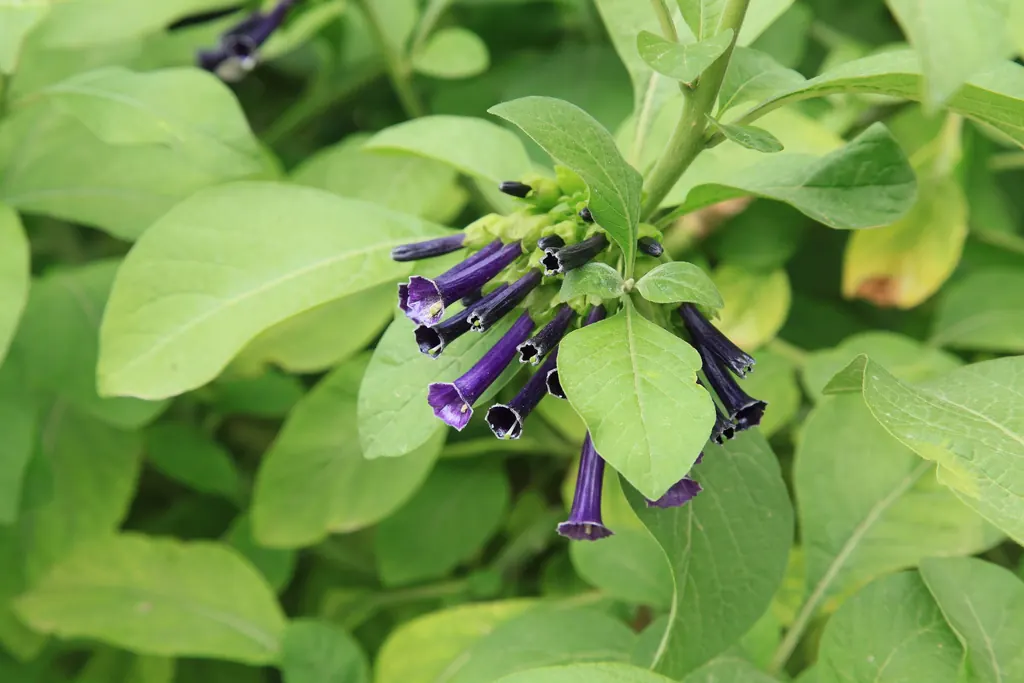
Swimming pools in Maltese homes: permits, water supply and cisterns, running costs, maintenance, safety, and what to check when buying a home with a pool.
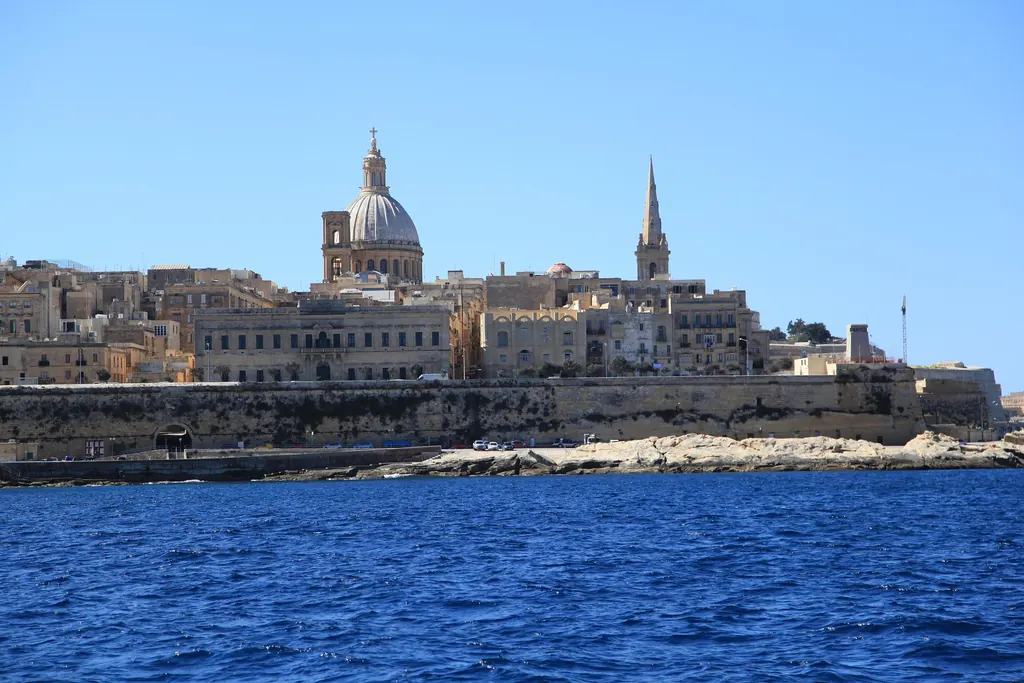
How to find work in Malta: the main sectors, Jobsplus, recruitment agencies and job boards, work permits for non-EU nationals, and tips for newcomers.
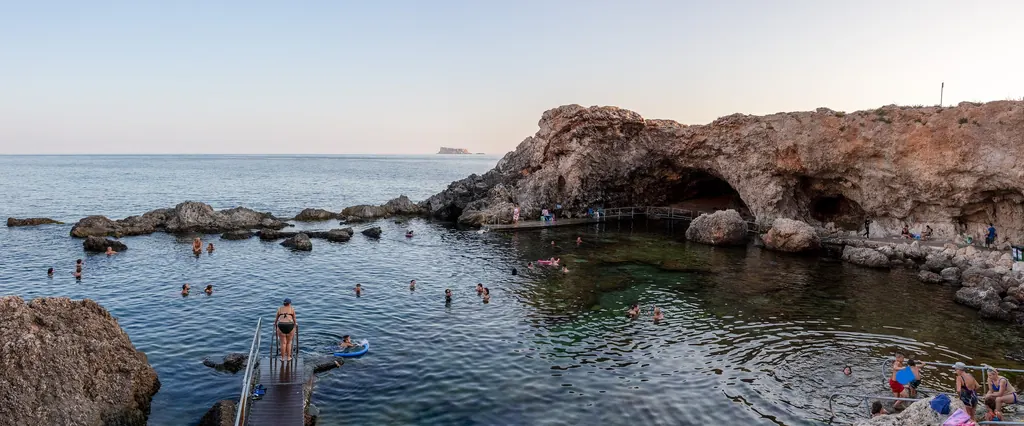
Living in Siġġiewi: Girgenti Palace, the Laferla Cross, Għar Lapsi and countryside homes — a buyer’s guide to one of Malta’s greenest villages.
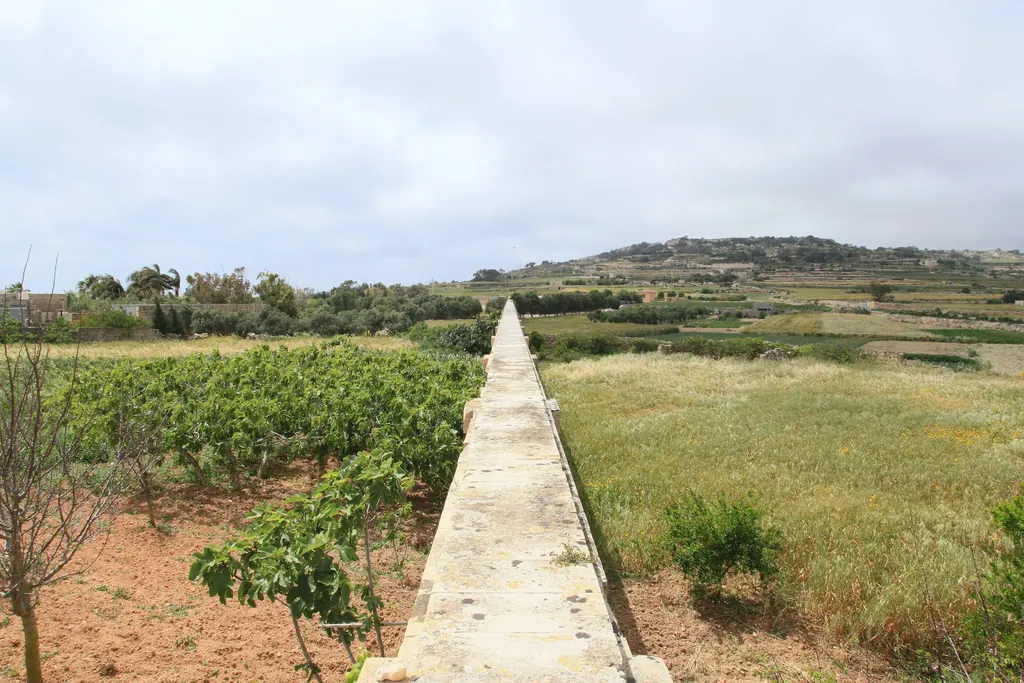
Living in Żebbuġ (Città Rohan): birthplace of Dun Karm and Mikiel Anton Vassalli, St Philip’s church and houses of character — a buyer’s guide.
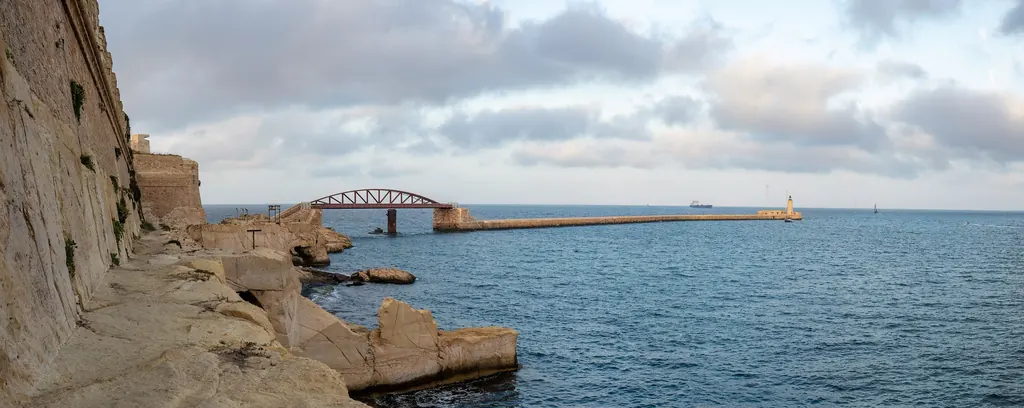
Malta International Airport at Luqa: location, getting there from the main towns, flight connections across Europe and beyond, and living near the airport.
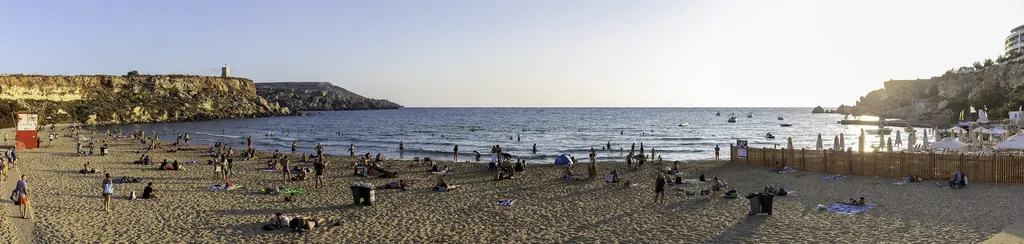
Living in Mġarr: a rural village near Golden Bay, Ta’ Ħaġrat and Skorba temples, its famous ‘egg church’ and farmhouses — a buyer’s guide.
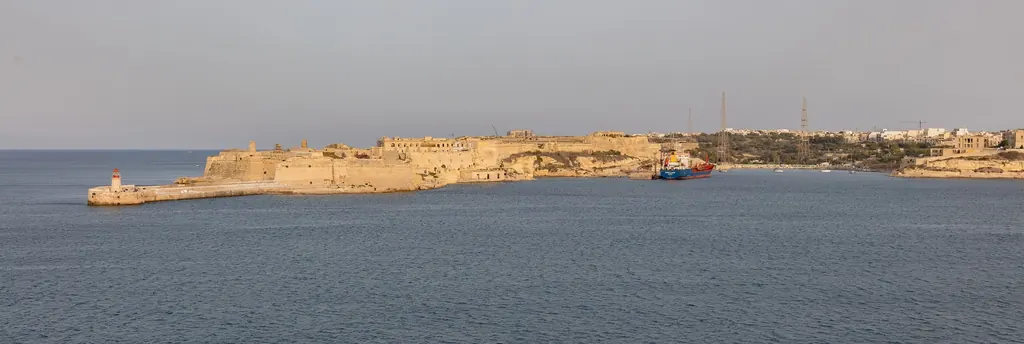
Living in Kalkara: Grand Harbour waterfront, Villa Bighi and Esplora, Fort Ricasoli, Kalkara Creek and harbour homes — a buyer’s guide.
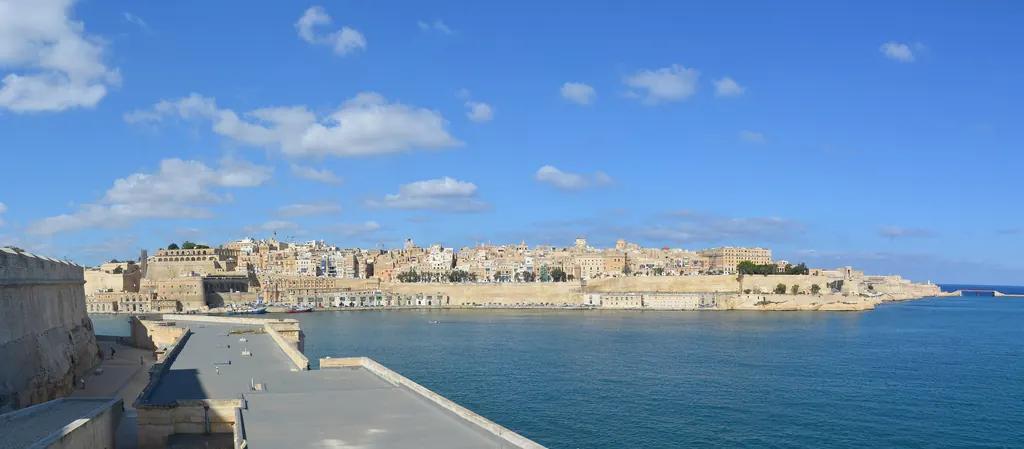
Living in Birgu (Vittoriosa): Fort St Angelo, the Inquisitor’s Palace, the waterfront marina and historic homes — a buyer’s guide.
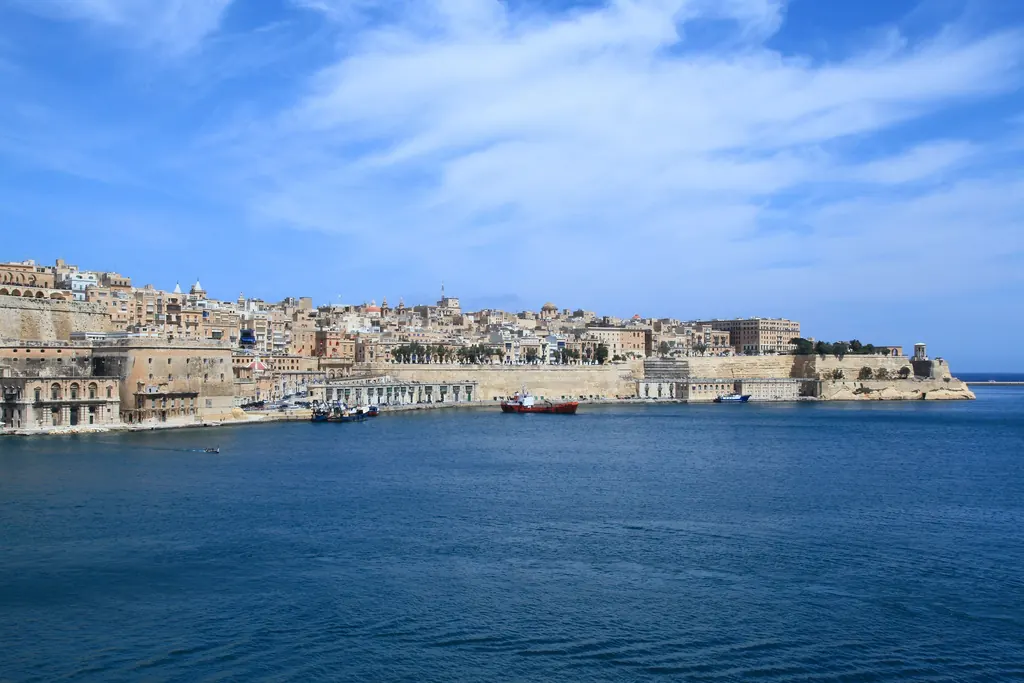
Living in Senglea (Isla): the Gardjola and the Spur, harbour views of Valletta, the basilica of Our Lady of Victories and historic homes — a buyer’s guide.

Living in Cospicua (Bormla): the Three Cities’ dockyard town, the Cottonera Lines, the waterfront and good-value historic homes — a buyer’s guide.
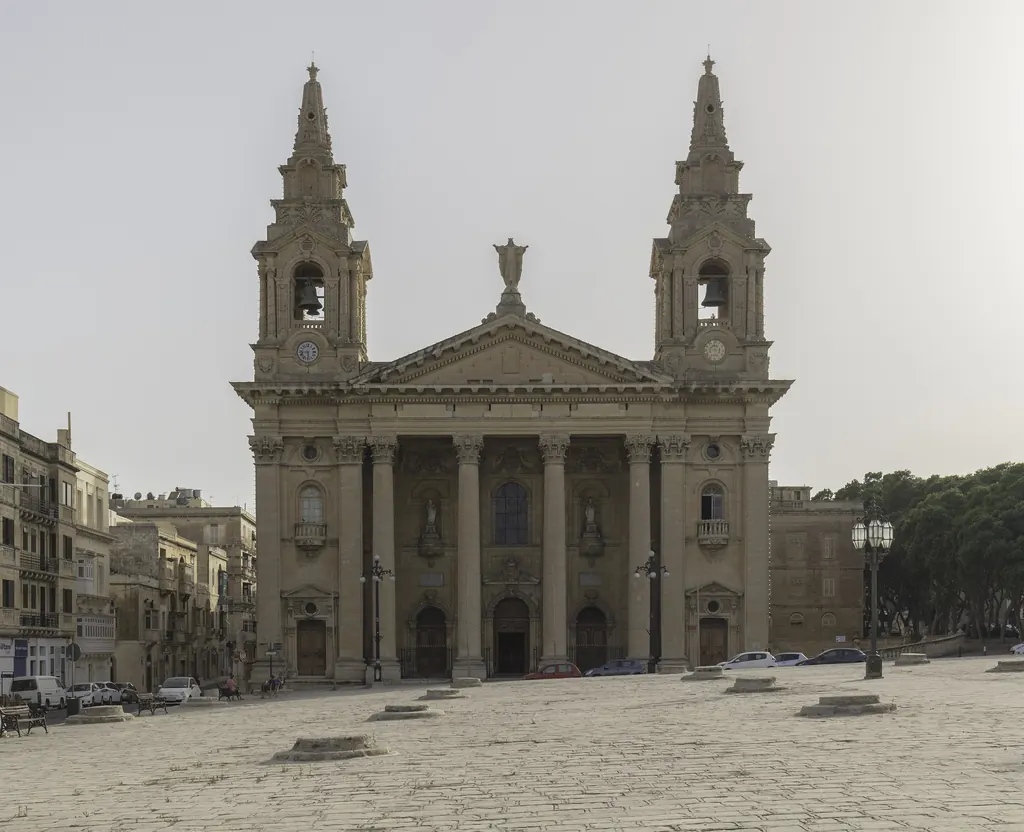
Living in Floriana: next to Valletta, the Granaries, the Mall, Argotti Gardens and the Church of St Publius — a buyer’s guide.
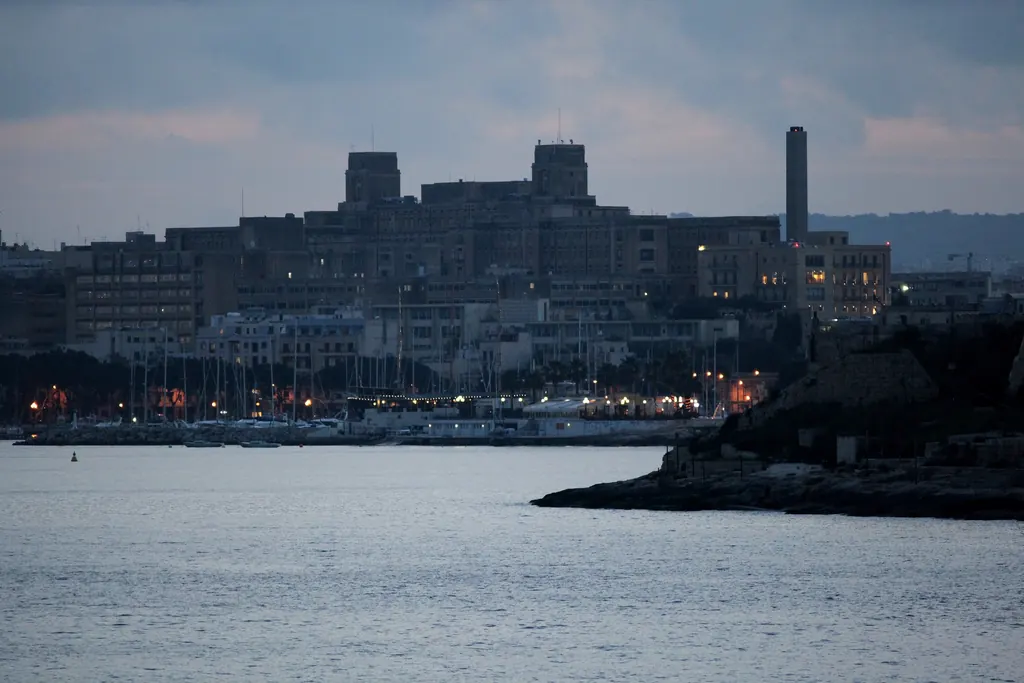
Living in Pietà: on Marsamxett Harbour between Floriana and Msida, with harbour views, Gwardamanġa and easy access to Valletta — a buyer’s guide.
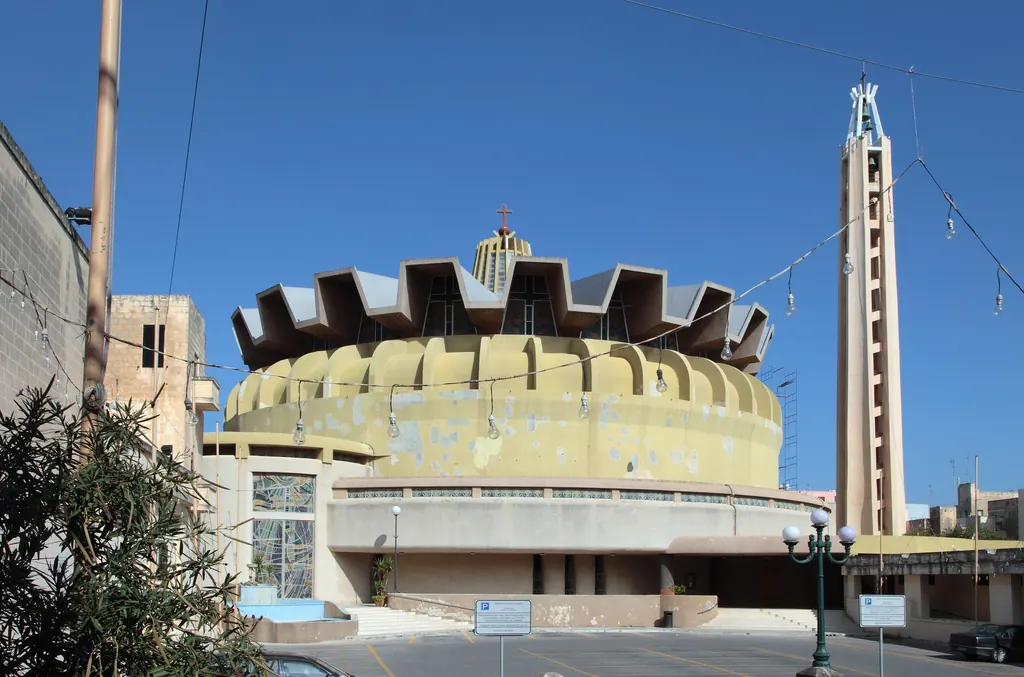
Living in Birkirkara: one of Malta’s largest towns, St Helen’s Basilica, the Wignacourt Aqueduct, the old railway station and central homes — a buyer’s guide.
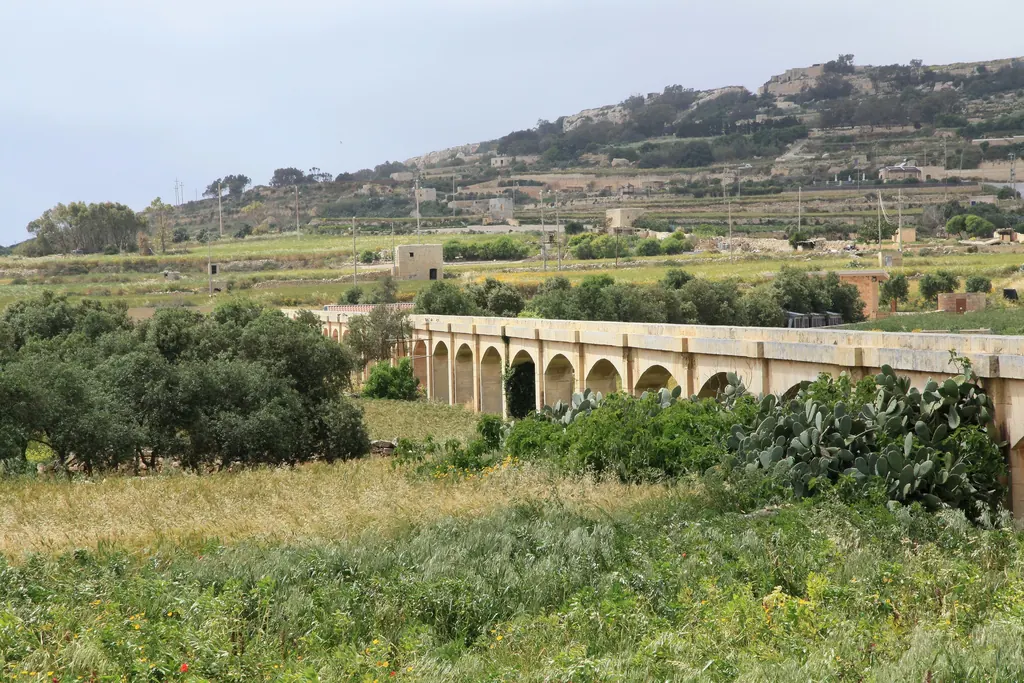
Living in Santa Venera: Casa Leoni, the Wignacourt Water Tower and a central location between Birkirkara and Ħamrun — a buyer’s guide.
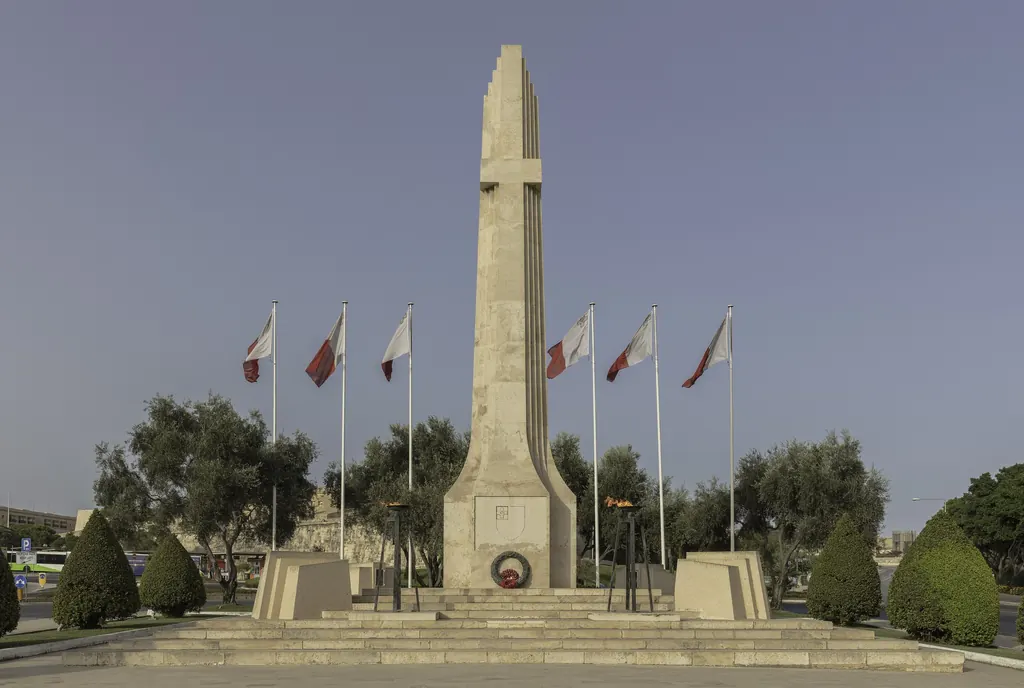
Living in Ħamrun: a busy central town with a long commercial high street, close to Valletta, Mater Dei and the University — a buyer’s guide.
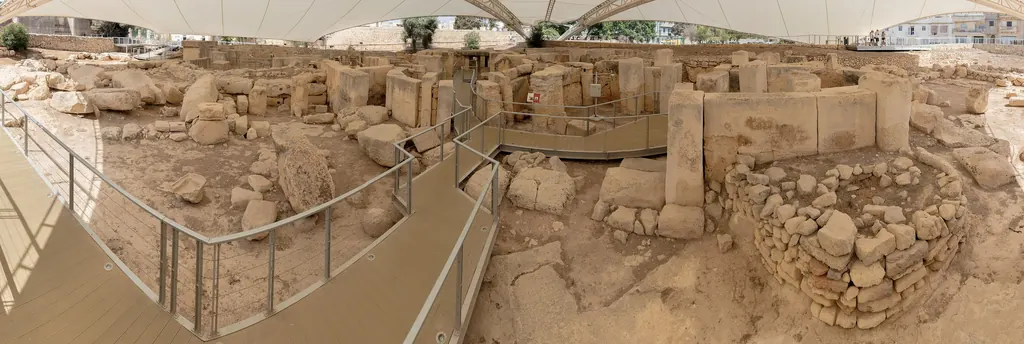
Living in Paola: the Ħal Saflieni Hypogeum, the Tarxien Temples nearby and a busy central square in the south-east of the harbour area — a buyer’s guide.
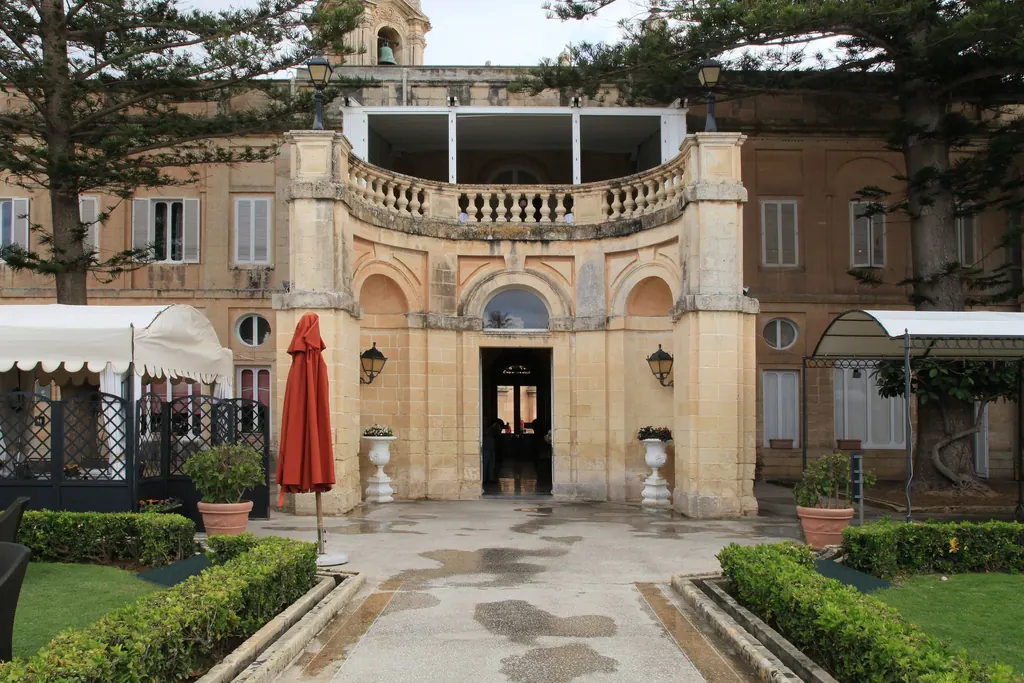
Living in Iklin: a small, modern residential locality between Naxxar, Lija and Birkirkara — quiet streets, villas and family homes — a buyer’s guide.
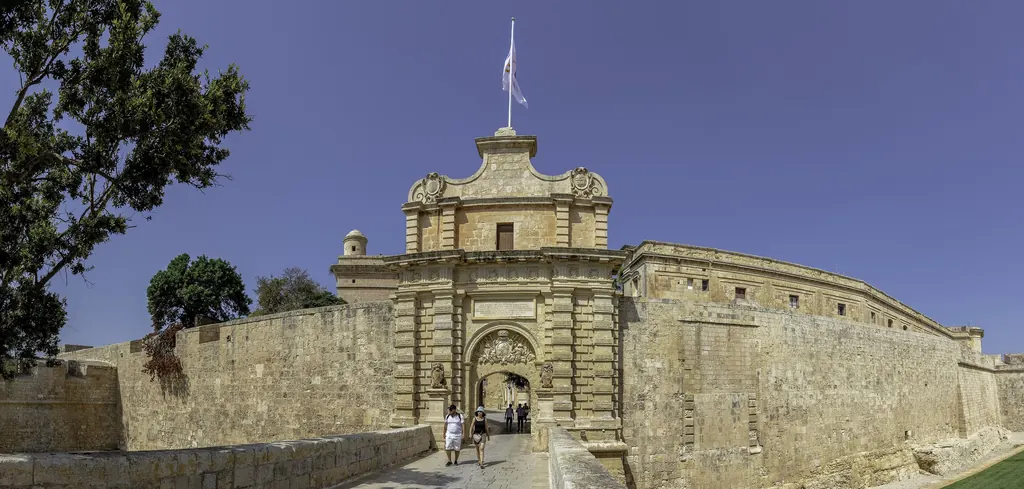
Living in Mtarfa: a former British military town next to Rabat and Mdina, with its clock tower, views and good-value homes — a buyer’s guide.