Key facts
- Building stone
- Globigerina limestone
- Signature feature
- The gallarija — enclosed timber balcony
- Earliest known gallarija
- About 1675, Grandmaster’s Palace
- Owners’ care
- Stone, timber and damp need regular attention
Limestone
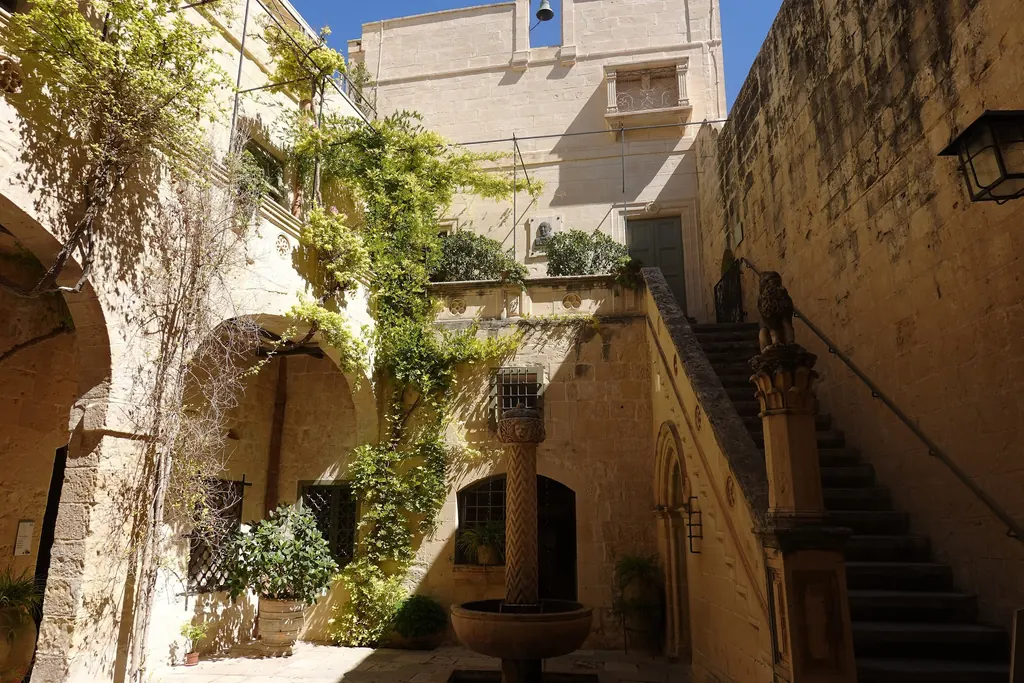
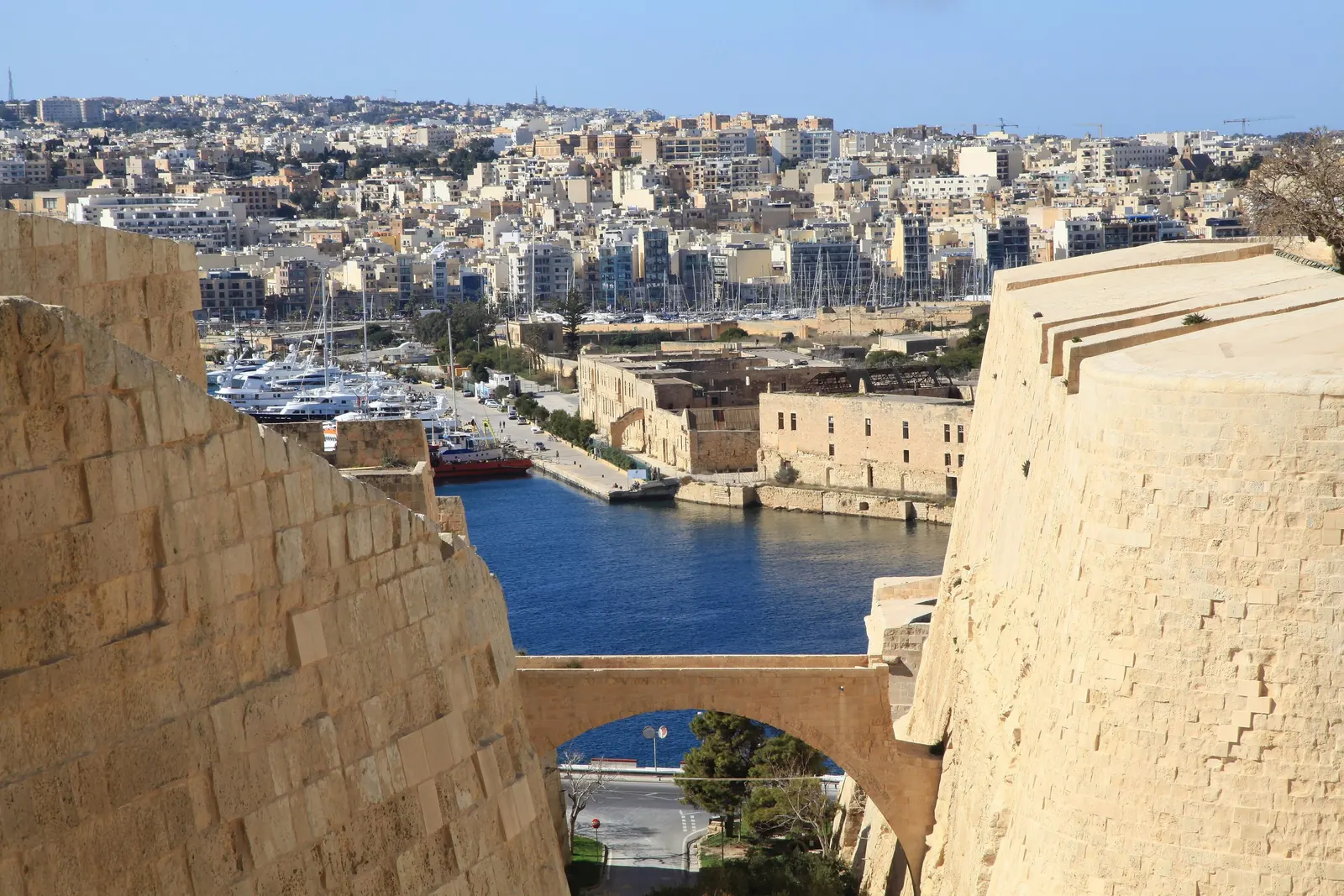
Malta is built of globigerina limestone, a soft, honey-coloured stone that is easy to cut and carve — used for building for thousands of years and above all by the Knights of St John. Its softness also means it weathers: façades need care, and salt and damp take their toll.
The gallarija
The enclosed timber balcony — the gallarija — is Malta’s signature. The earliest documented example is usually dated to around 1675, at the Grandmaster’s Palace in Valletta; by the 18th century the form had spread across the towns. Open stone balconies are older still.
Building types
- Townhouses with balconies and roof terraces.
- Houses of character with arches, beams and courtyards.
- Palazzi — grand Baroque townhouses.
- Farmhouses — rubble walls and stone vaults.
For owners
- Stone — repoint with suitable lime mortars; avoid cement on old stone.
- Timber balconies — paint and repair regularly.
- Damp — ventilation and the right materials.