
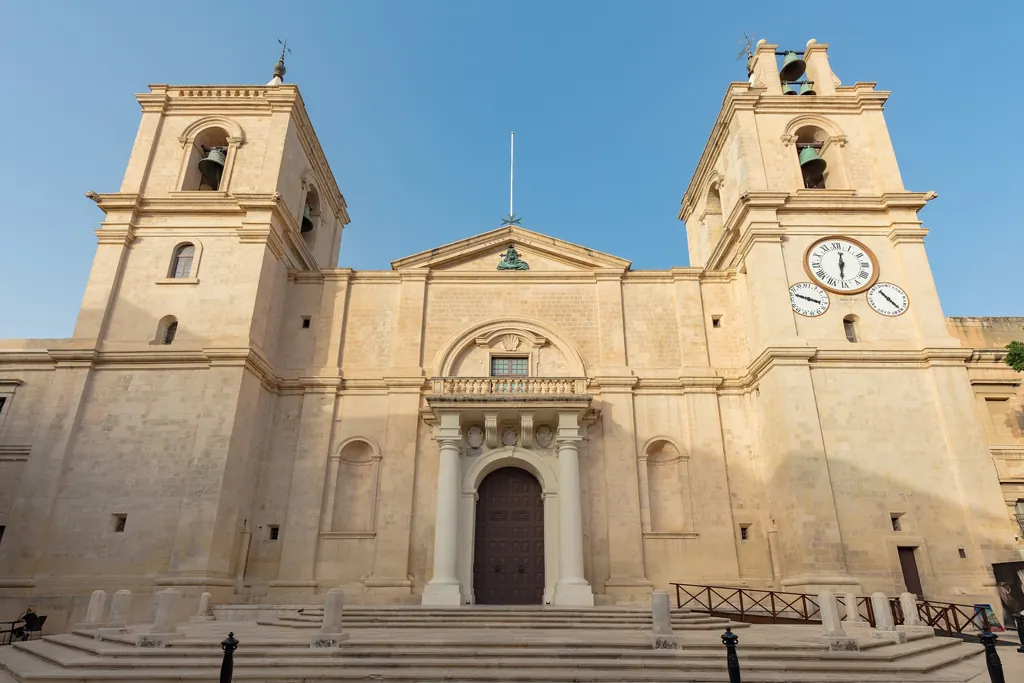
Malta residency options compared
Every main route to living in Malta compared — MPRP, Global Residence Programme, Retirement Programme, Nomad Residence Permit and EU registration — with property and tax rules.


MPRP, the Global Residence Programme, retirement and nomad permits, and moving as an EU citizen — compared clearly.
Every main route to living in Malta compared — MPRP, Global Residence Programme, Retirement Programme, Nomad Residence Permit and EU registration — with property and tax rules.
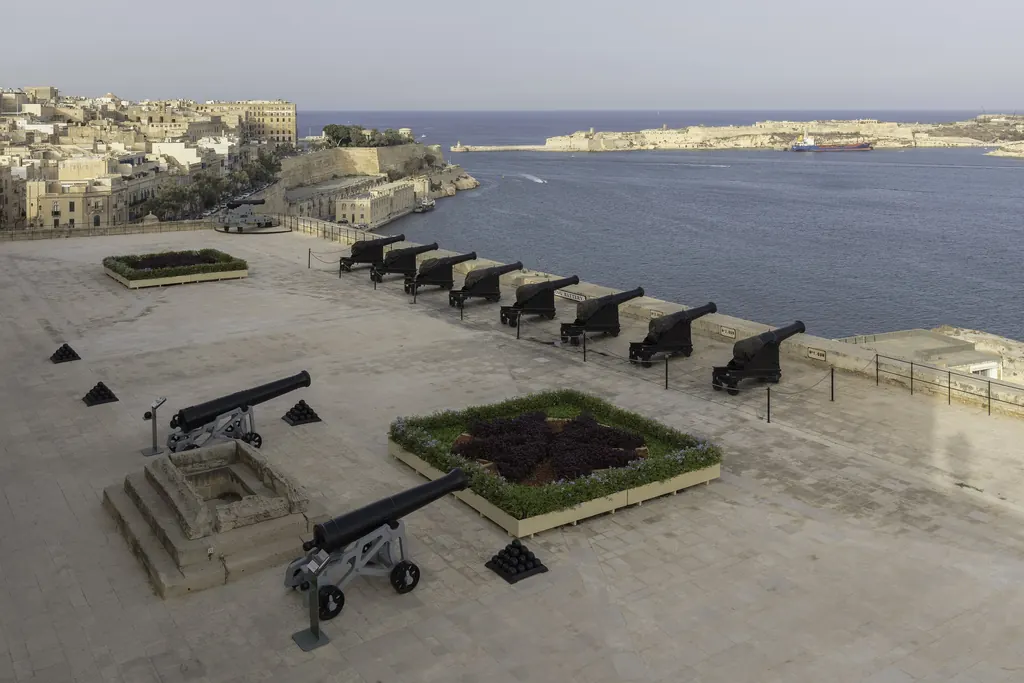
The MPRP in 2026 — eligibility, the €60,000 fee and €37,000 contribution, property purchase or lease rules, capital requirements, dependants and the process.
The Malta Global Residence Programme in 2026 — 15% flat tax on remitted foreign income, €15,000 minimum tax, property thresholds (€275,000 / €220,000) and who qualifies.
MPRP or Global Residence Programme? A side-by-side comparison of status, cost, property thresholds, tax treatment and who each Malta programme suits.
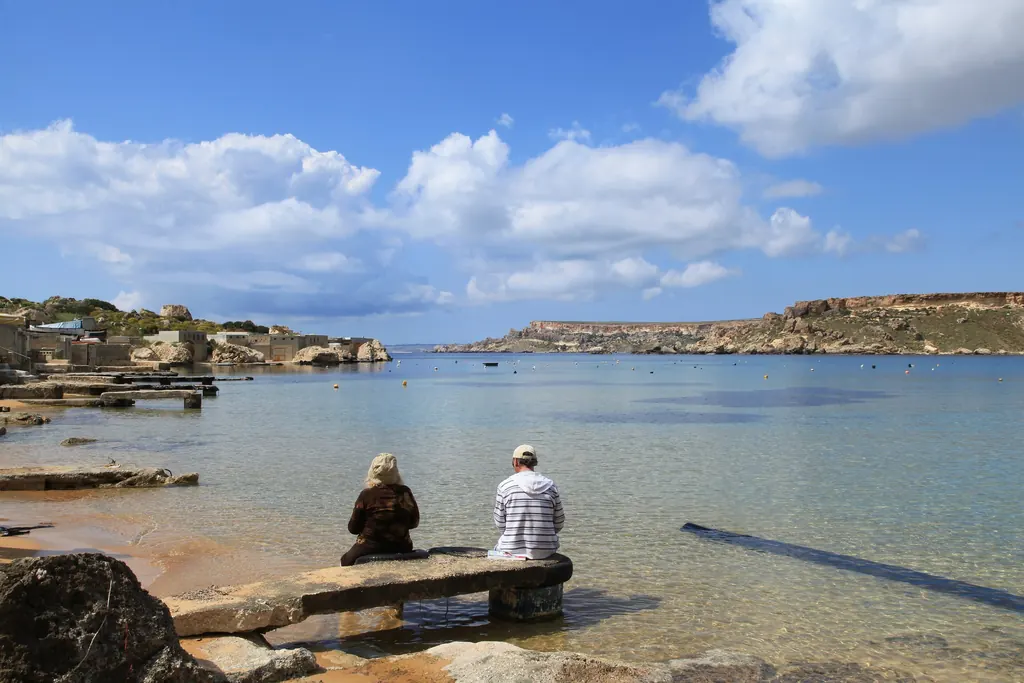
The Malta Retirement Programme in 2026 — 15% tax on foreign income received, €7,500 minimum tax, property from €275,000 (€220,000 South/Gozo), the 90-day rule and who qualifies.
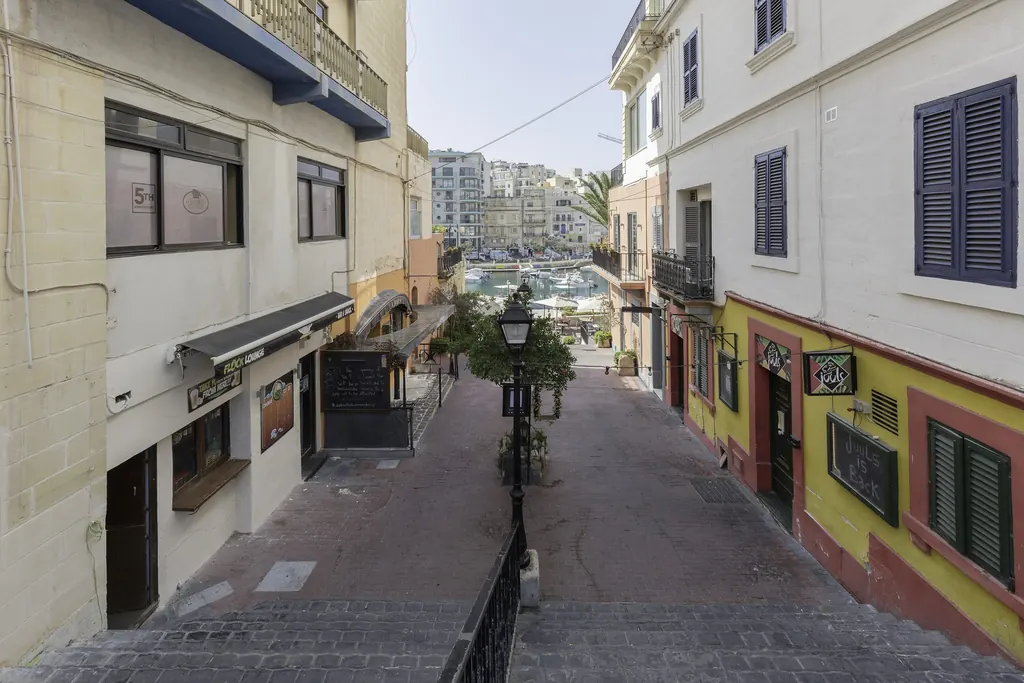
Malta's Nomad Residence Permit in 2026 — the €42,000 income test, who qualifies, the 12-month tax exemption and 10% rate, renewals up to four years and finding a home.
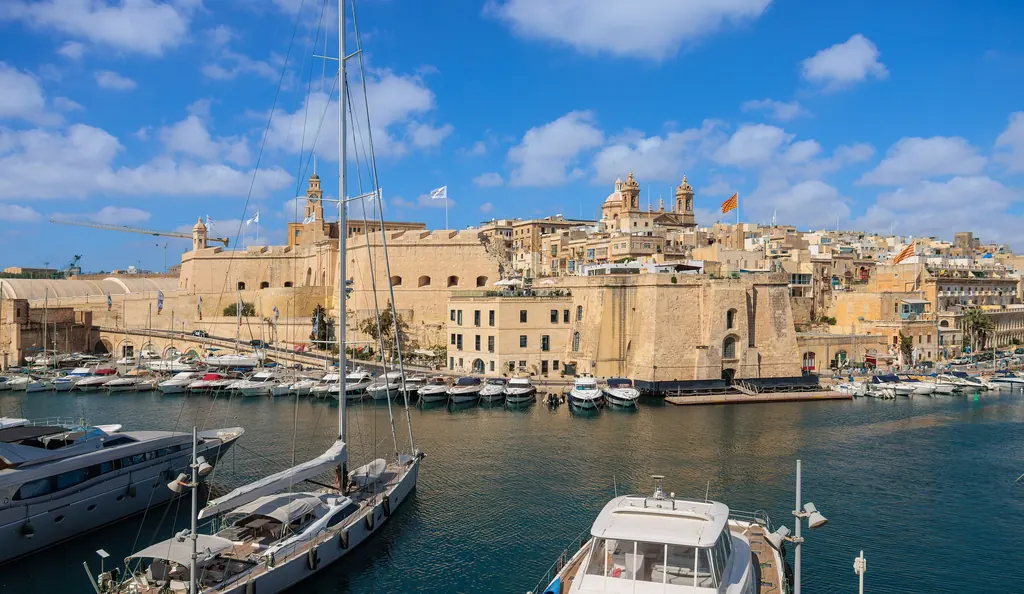
How EU, EEA and Swiss citizens move to Malta — registering with Identità within three months, the eResidence document, permanent residence after five years, tax and buying a home.
How Malta’s Single Permit works for non-EU workers: the employer’s role, the labour market test, Identità, processing times, fees, renewals and moving with family.
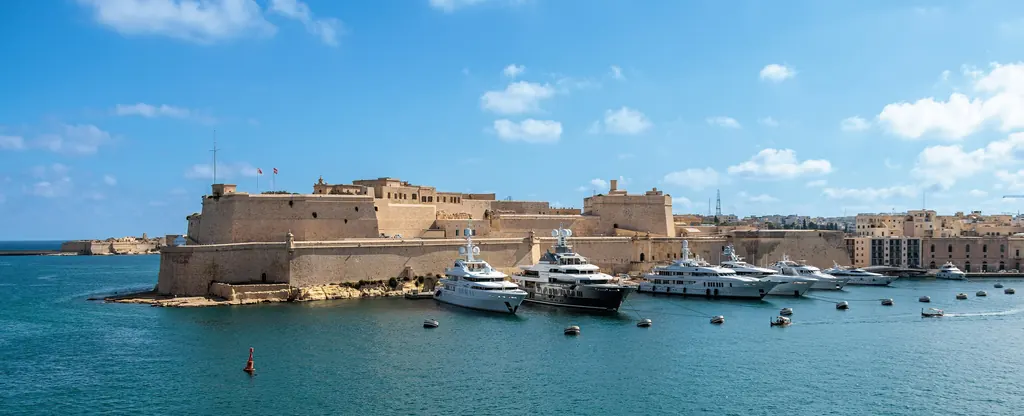
Malta’s Key Employee Initiative: the fast-track work permit route for highly paid managers and specialists — the €45,000 salary threshold, eligibility and process.
Malta’s flat 15% tax on employment income for qualifying highly skilled individuals: the 2026 rules replacing the HQP regime, conditions, duration and transition.
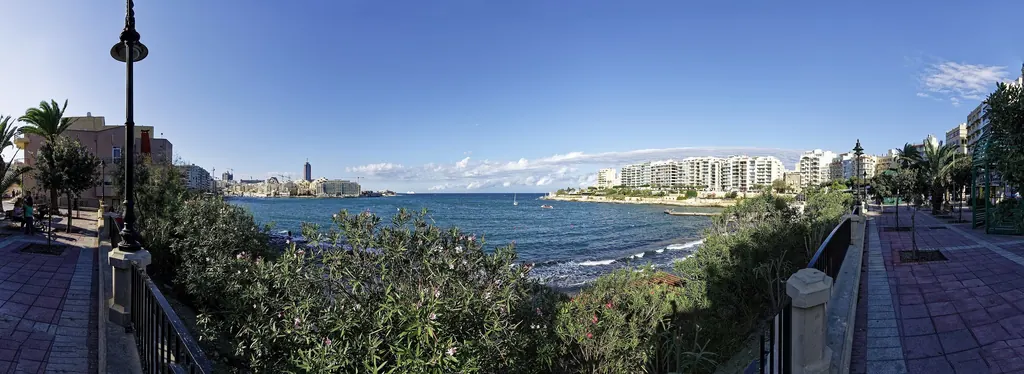
How non-EU residents bring family to Malta: family reunification under S.L. 217.06 and Identità’s Family Members Policy — residence, income, accommodation and insurance requirements.
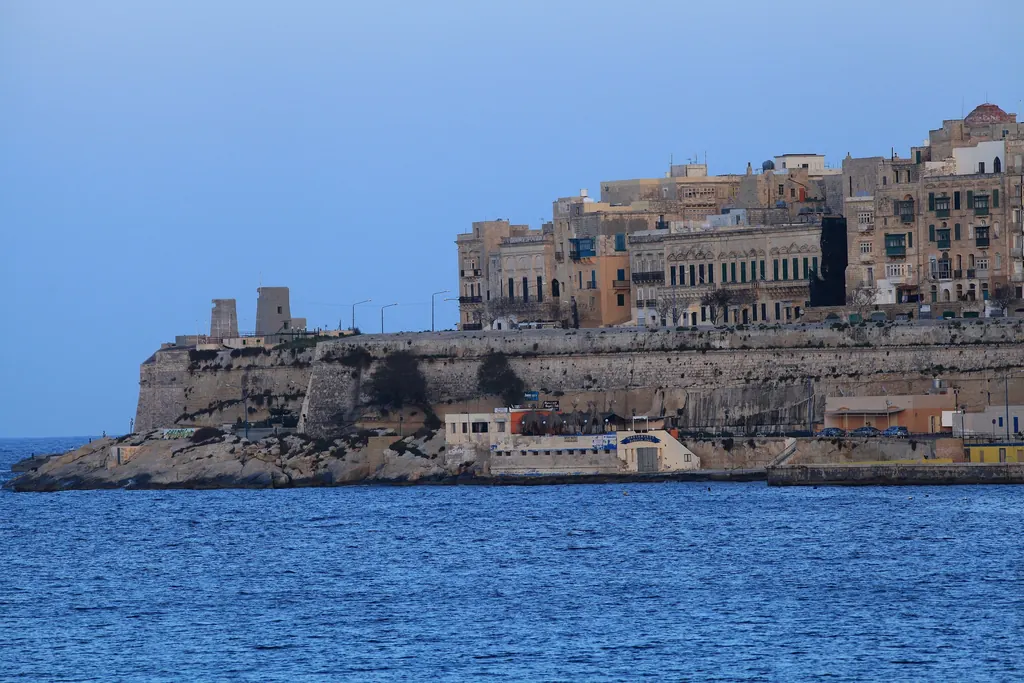
How tax residence works in Malta: the 183-day test, establishing residence, ordinary residence and domicile, and how they affect what income is taxed.
How to set up a private limited company in Malta: minimum share capital, directors and company secretary, registered office, Malta Business Registry filing and ongoing obligations.