Key facts
- Who can buy
- Anyone — some buyers need an AIP permit
- Permit-free areas
- Special Designated Areas (SDAs)
- AIP minimum (apartment)
- €174,274 (LN 174/2024)
- AIP minimum (other)
- €300,619 (LN 174/2024)
- Stamp duty
- 5% (paid by buyer)
- Typical timeline
- About 3 months, konvenju to deed
Foreign buyers are welcome in Malta. The island combines EU membership, English as an official language, a legal system familiar to many international lawyers and a property market with genuine depth at the top end. What makes Malta distinctive is a two-track system for non-residents: Special Designated Areas, where anyone can buy without restriction, and the rest of Malta, where non-residents need a straightforward permit.
Who can buy property in Malta?
| Buyer | What applies |
|---|---|
| Maltese citizens | No restrictions |
| EU citizens resident in Malta 5+ continuous years | Same as Maltese citizens |
| Other EU citizens | First residence generally free; AIP permit may be needed for a second property outside SDAs |
| Non-EU citizens | AIP permit outside SDAs; no restrictions inside SDAs |
| Companies with 25%+ non-resident ownership | AIP permit rules apply |
Special Designated Areas (SDAs)
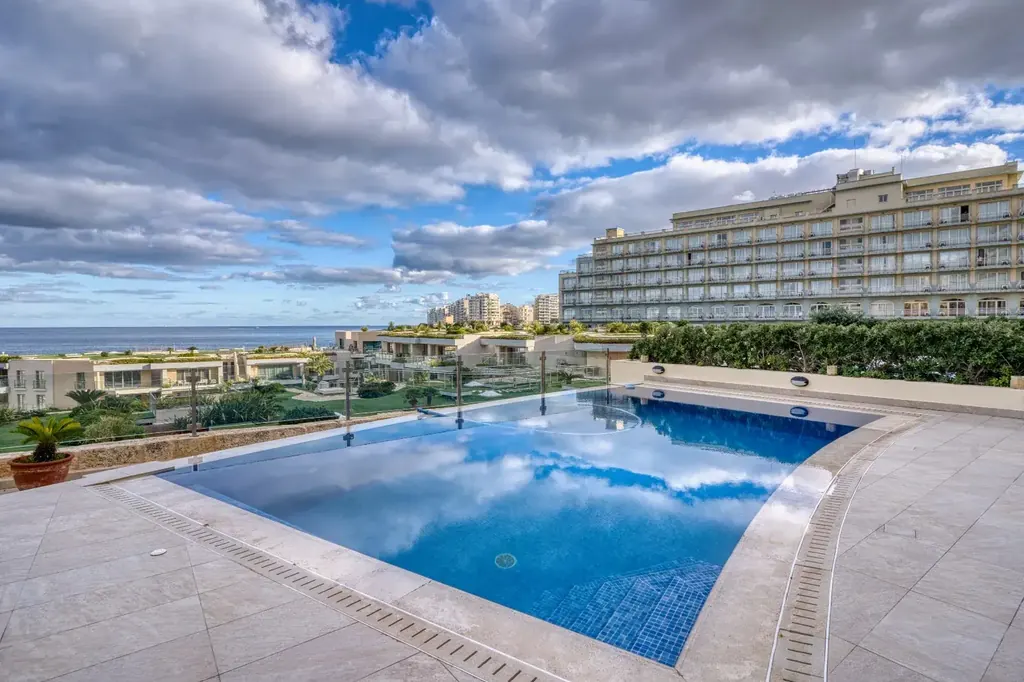
SDAs are specific developments where Maltese and foreign buyers are treated identically: no permit, no limit on the number of properties and freedom to let them out. They include Portomaso and Pender Gardens in St Julian’s, Tigné Point and Fort Cambridge in Sliema, Tas-Sellum in Mellieħa, SmartCity, Madliena Village and, in Gozo, Fort Chambray and Kempinski Residences. More are added by Legal Notice — two in 2025 alone. Read Special Designated Areas explained.
Outside SDAs: the AIP permit
Elsewhere, non-residents apply for an Acquisition of Immovable Property (AIP) permit. It is usually granted for one residential property for your own use, subject to a minimum value — under Legal Notice 174 of 2024, €174,274 for an apartment or maisonette and €300,619 for other property. Property bought under an AIP permit cannot be let out to third parties. See the AIP permit explained.
How the purchase works
- Search and view. Your agent shortlists properties — including off-market ones — and arranges viewings or video walkthroughs.
- Agree the price and terms. Conditions such as financing, permits or inclusions are negotiated at this stage.
- Sign the promise of sale (konvenju). A binding preliminary agreement, normally with a deposit of around 10%, registered by the notary. You pay 1% provisional stamp duty.
- Due diligence. The notary checks title, debts and registrations; your architect checks permits and condition; your AIP permit and any loan are obtained.
- Final deed. Signed before the notary, who collects the balance of the price and duty. You receive the keys.
Each step is explained in the property buying process.
What it costs
Budget for the price plus about 7%–8% in buying costs on a typical purchase, including stamp duty: 5% stamp duty, notary fees of about 2% plus searches and registration, any AIP fee, and advisors. Non-EU buyers pay stamp duty at a flat 5% and do not qualify for the first-time buyer reliefs or the Urban Conservation Area benefits. Our costs of buying guide lists them one by one.
Tax once you own
- No annual property tax or wealth tax.
- Rental income: optional flat 15% of gross rent, or normal rates on net — details.
- On sale: final withholding tax, usually 8% of the price — details.
Property and residency
Owning property does not by itself grant residence, but a qualifying property is at the heart of Malta’s residence programmes:
- MPRP — permanent residence for non-EU families; buy from €375,000 or rent from €14,000 a year.
- Global Residence Programme — tax residence with a 15% flat rate on remitted foreign income; buy from €275,000 (€220,000 in the South and Gozo).
- Malta Retirement Programme — for pensioners from the EU, EEA and Switzerland.
Compare them in Malta residency options.
Choosing where to buy
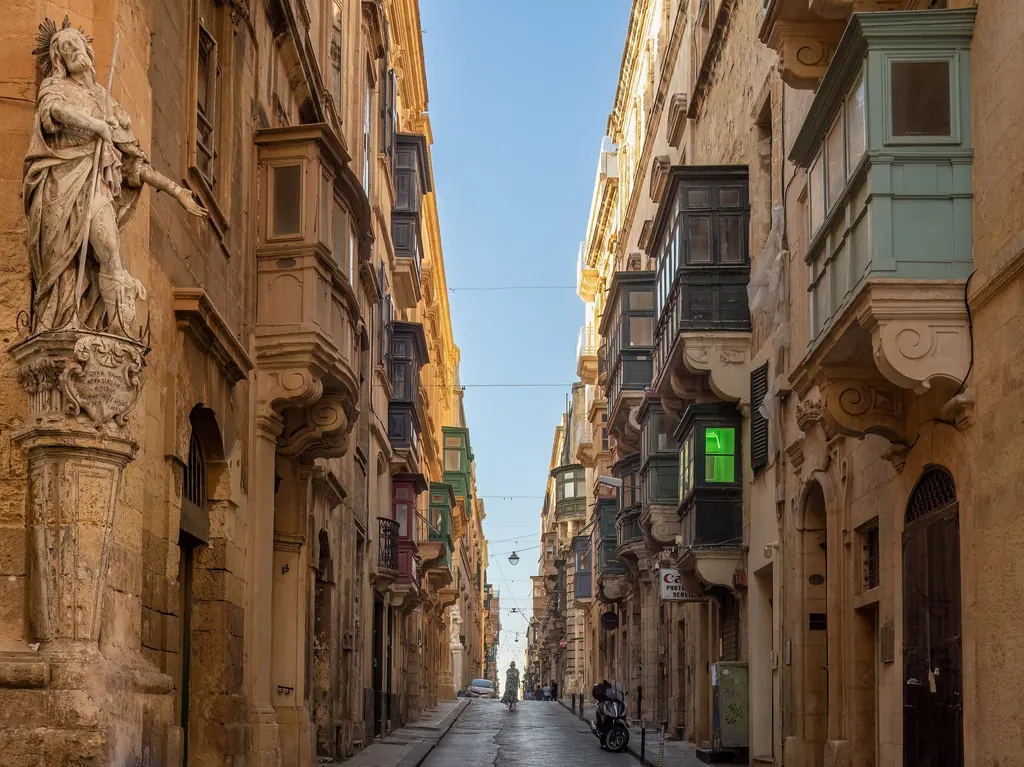
Harbour living in Sliema and St Julian’s, permit-free apartments in Portomaso and Tigné Point, historic homes in Valletta and Mdina, garden villas in Madliena or the bays of Mellieħa — our area guides compare them honestly.
Five things we tell every international buyer
- Decide on SDA or AIP early — it determines which properties you can buy and whether you can let them.
- Appoint your own notary. In Malta the buyer normally chooses and pays the notary, who protects your interests on title.
- Get an architect’s survey on anything other than a new-build in a managed development.
- Align the purchase with your residency plan before the promise of sale, not after.
- Keep funds traceable. Banks and notaries apply strict anti-money-laundering checks; clear source-of-funds documents speed everything up.