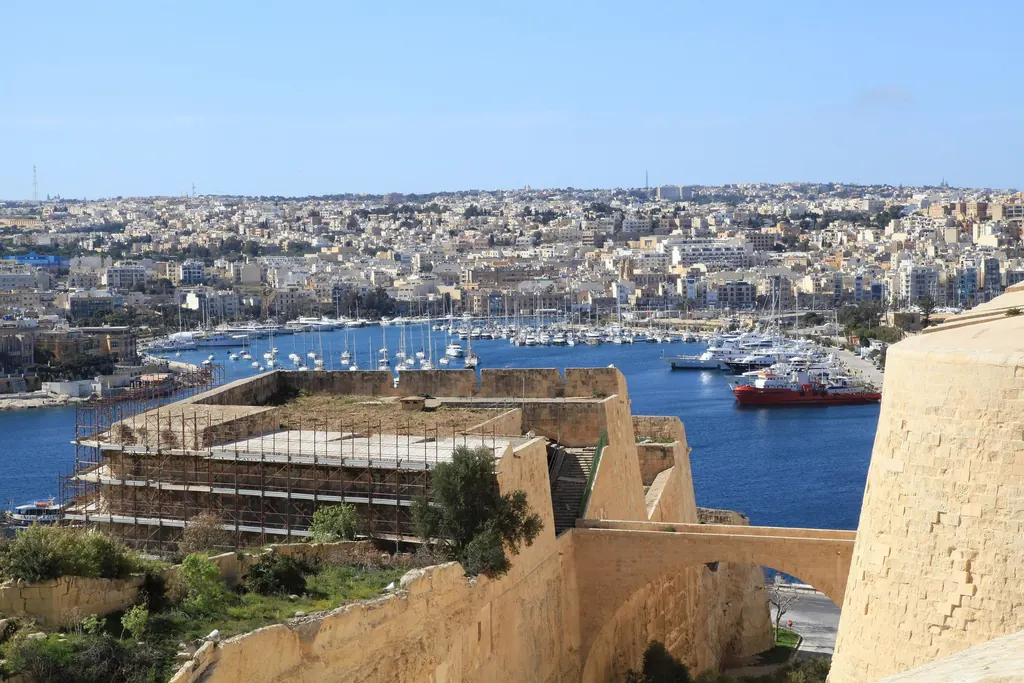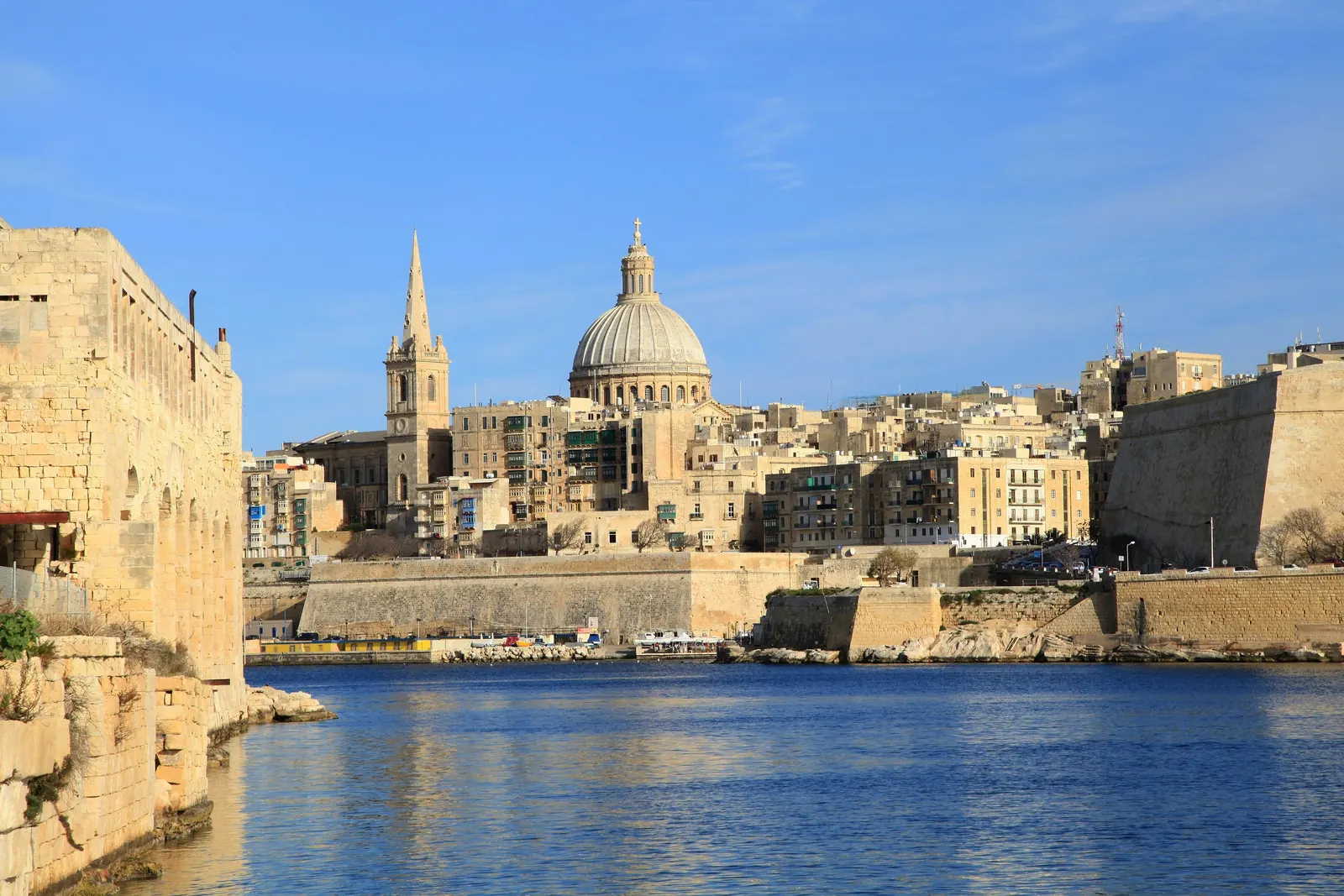
Valletta was founded by the Knights of St John after the Great Siege of 1565 and laid out on a grid across the Sceberras peninsula, between the Grand Harbour and Marsamxett Harbour. The whole city is a UNESCO World Heritage Site. To live here is to live inside history — and, increasingly, inside Malta’s liveliest cultural scene.
The feel of the place
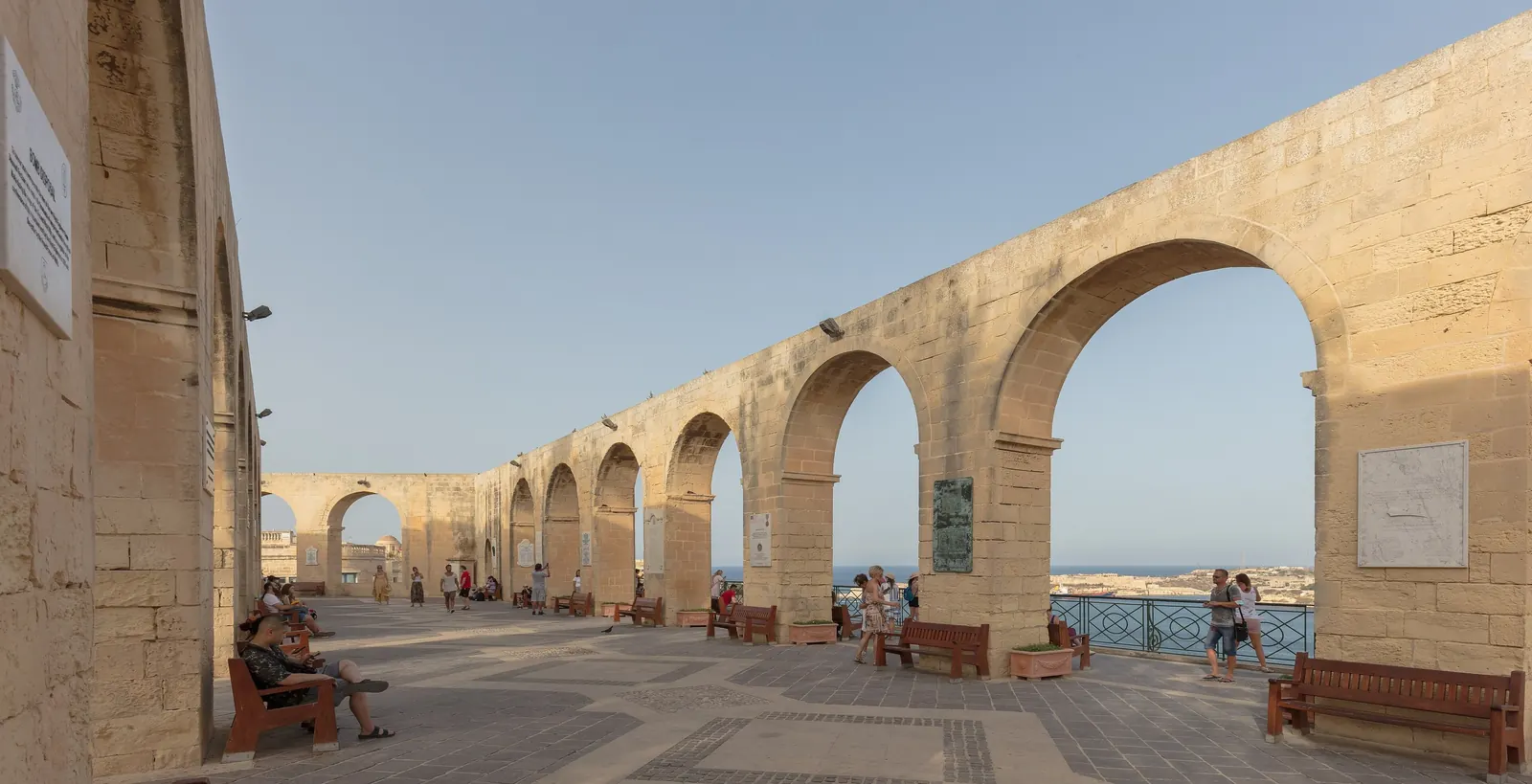
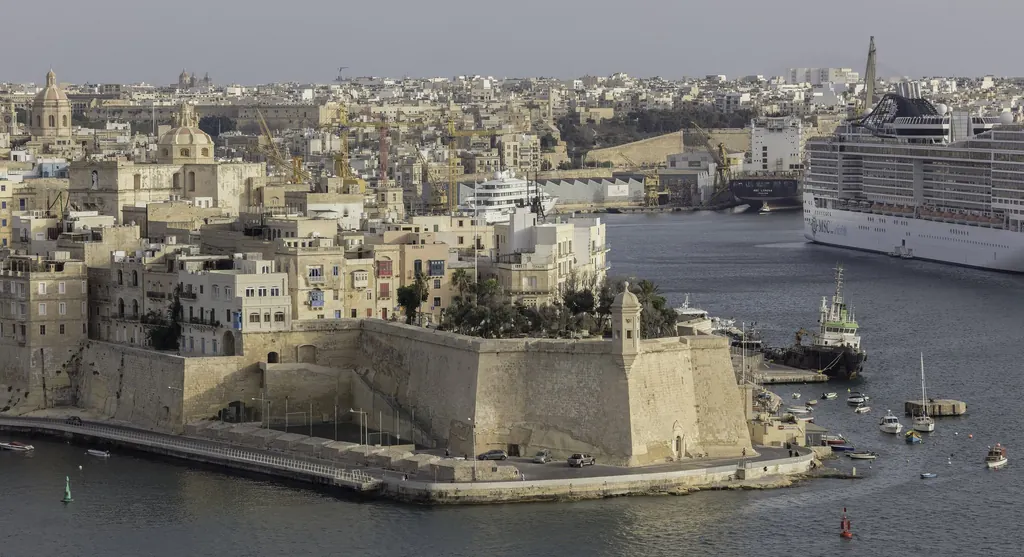
Valletta is compact and walkable. Republic Street and Merchants Street run the length of the city; side streets fall steeply towards the harbours, lined with closed timber balconies. The Upper Barrakka Gardens look across the Grand Harbour to the Three Cities, and evenings bring restaurants and wine bars to the stepped streets.
Homes in Valletta
| Type | What to expect |
|---|---|
| Townhouses | Several floors around a narrow stair, often with a roof terrace and harbour glimpses |
| Palazzi | Grand historic houses with courtyards, high ceilings and original features |
| Apartments | In converted townhouses and palazzi, some with harbour views |
Many buildings have been beautifully restored; others offer the chance to restore one yourself.
Buying and restoring
Valletta’s heritage status means alterations are closely controlled. Before you buy:
- instruct a perit experienced in historic buildings;
- check what the permits allow — and what has already been done;
- ask your notary about incentives for historic and conservation-area property.
Read our guide to buying a house of character.
Foreign buyers
Valletta has no Special Designated Area, so non-EU buyers purchase with an AIP permit, which is granted for one residence and does not allow letting. EU nationals buy their home without one.
Everyday life
- On foot — almost everything is within a 15-minute walk.
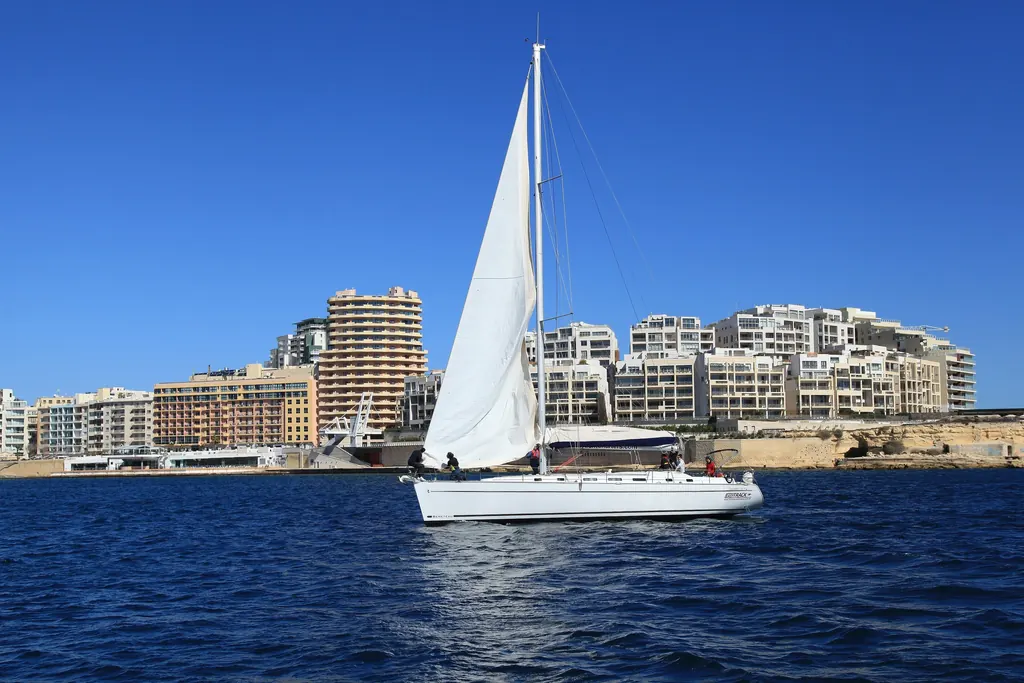
- Ferries — to Sliema across Marsamxett and to the Three Cities across the Grand Harbour.
- Culture — theatres, museums, St John’s Co-Cathedral and year-round events.
- Parking — limited; many residents live without a car.