Key facts
- Exemption
- Duty and transfer tax on first €750,000
- Applies to
- UCA properties and long-vacant homes
- Who can benefit
- EU residents only — not non-EU buyers
- First-time buyer grant (Malta)
- €15,000
- Status
- Renewed by Budget — confirm dates
- Check with
- Your notary and architect
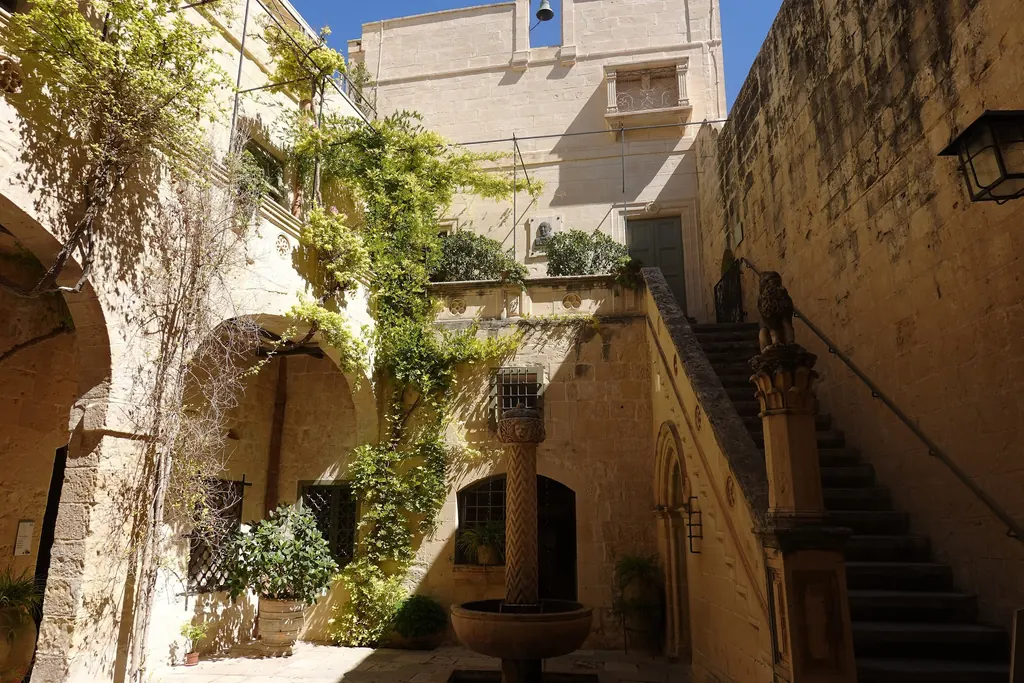
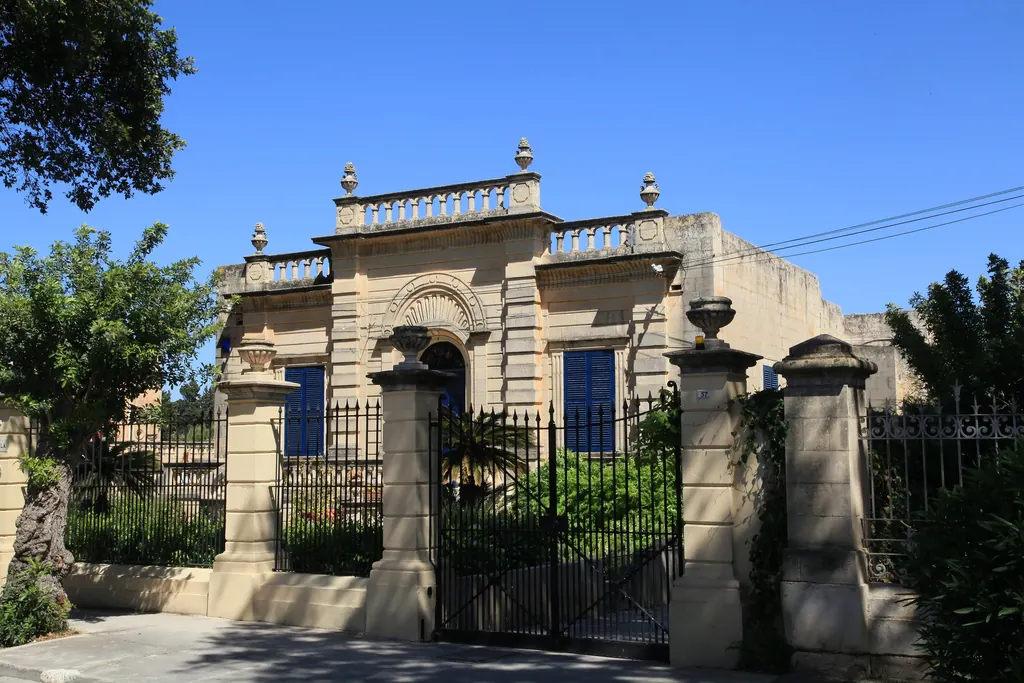
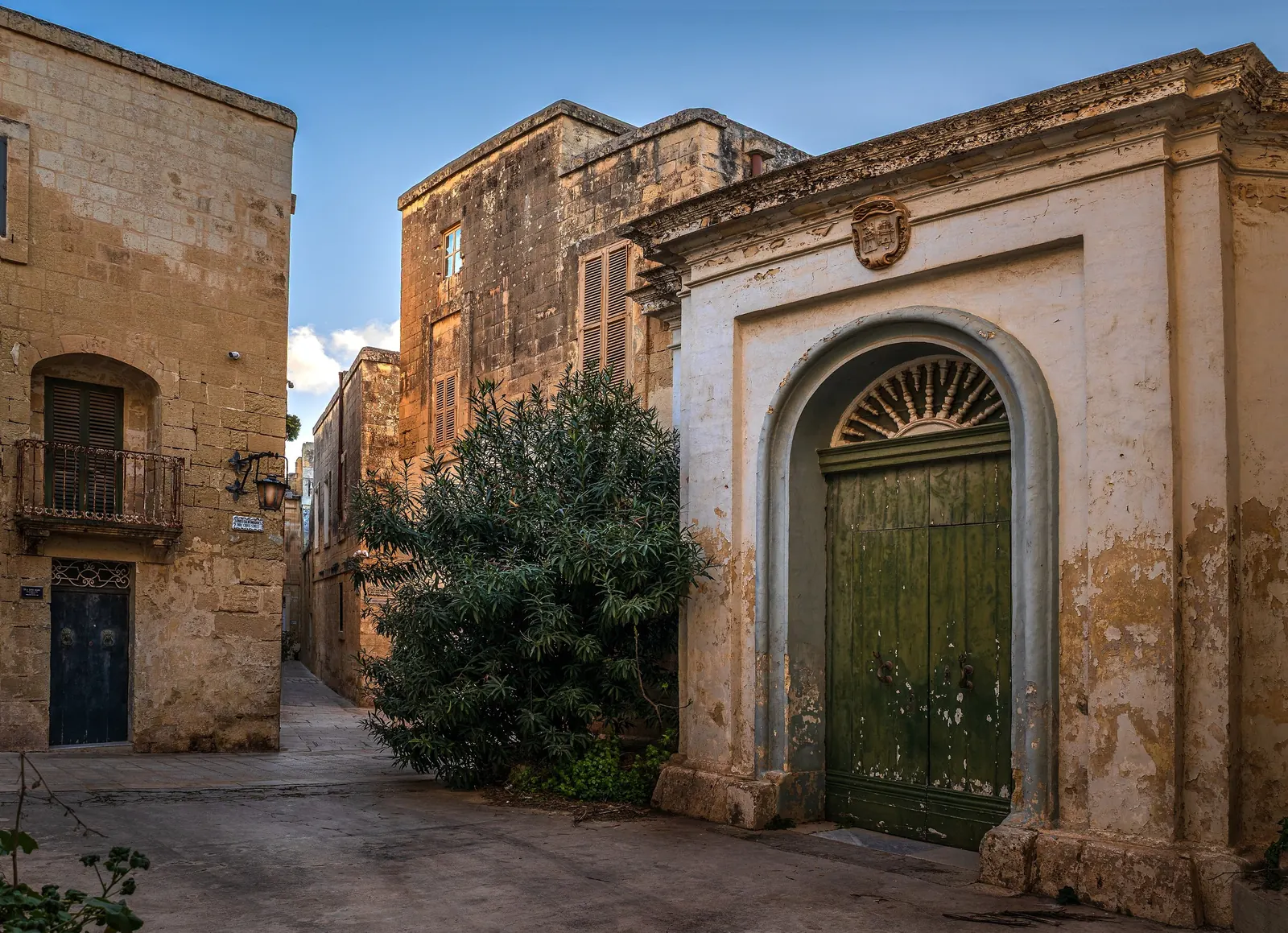
Malta’s historic town and village cores are protected as Urban Conservation Areas (UCAs). Many of their townhouses, houses of character and palazzi need investment to bring them back into use — and to encourage it, the government has offered some of the most valuable property incentives on the island.
Who can use it
The UCA incentives are for EU residents. They are not available to non-EU buyers, who pay stamp duty at a flat 5% on the full price, whether or not the property is in an Urban Conservation Area.
What the incentive offers
Transfers of qualifying properties within an Urban Conservation Area, or of properties that have been vacant for a long period, have been:
- exempt from stamp duty (paid by the buyer) on the first €750,000 of the value; and
- exempt from property transfer tax (paid by the seller) on the same first €750,000.
First-time buyers of such properties have also been eligible for a grant of €15,000.
On a €700,000 townhouse in a village core, that could mean no duty for the buyer (a saving of €35,000 at 5%) and no final withholding tax for the seller (€56,000 at 8%).
Conditions to check
The incentive has always come with conditions and an end date. Before relying on it, confirm:
- that you qualify as an EU resident — non-EU buyers are not eligible;
- that the property is actually inside a UCA — or meets the vacancy criteria — on the official planning maps;
- the current cut-off date for transfers, which has been renewed by successive Budgets;
- any restoration or occupation requirements attached to the exemption or the grant.
Your notary and architect can confirm eligibility before the promise of sale; ask for it in writing.
Buying well in a conservation area
A UCA property rewards careful buyers. Before committing:
- Commission a structural survey — historic buildings may need roof, wall or damp repairs.
- Check planning — alterations to façades, apertures and heights are tightly controlled; the Planning Authority must approve works.
- Budget for restoration with specialist contractors used to Maltese limestone and traditional techniques.
Our guide to buying a house of character covers surveys, permits and restoration in detail.