Key facts
- Typical features
- Courtyard, arches, beams, stone
- Essential
- Architect's structural survey
- Planning
- Stricter controls in UCAs
- Scheduled buildings
- Heritage consent needed
- Possible incentive
- UCA duty and tax exemptions
- Where to look
- Village cores, Valletta, Mdina
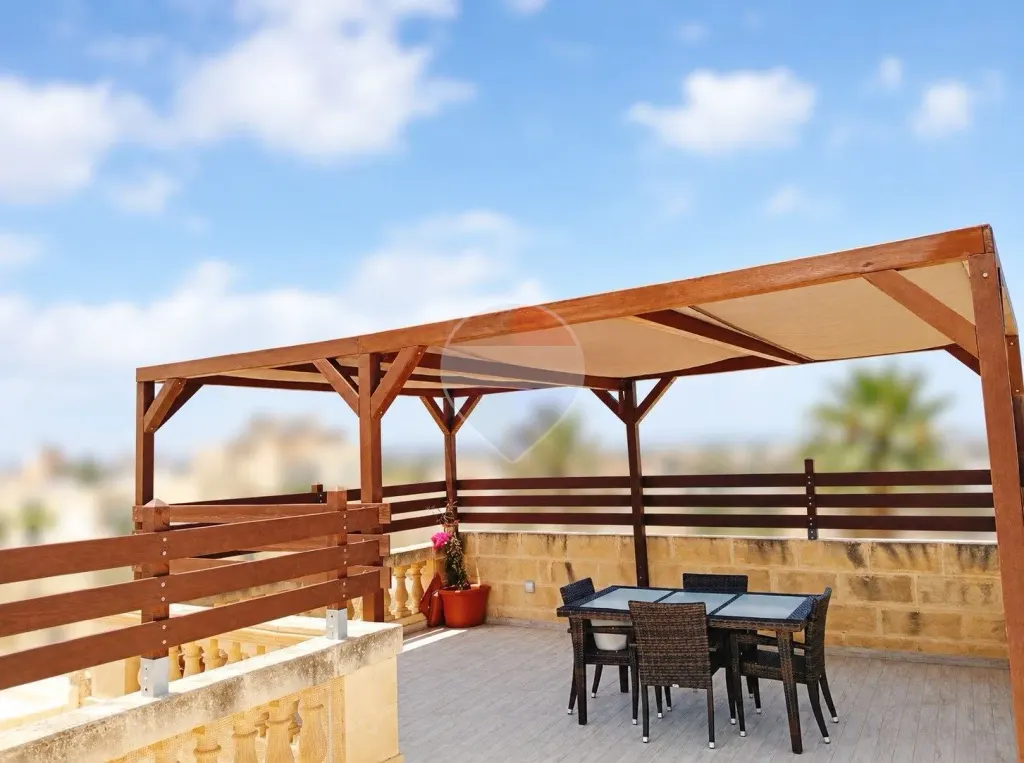
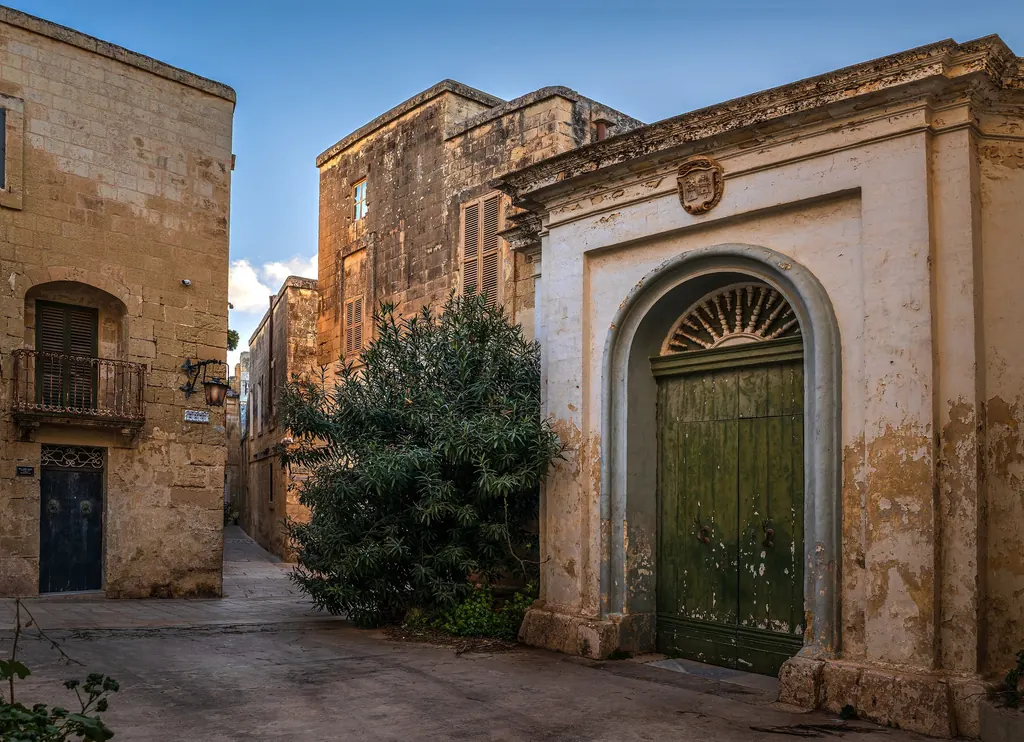
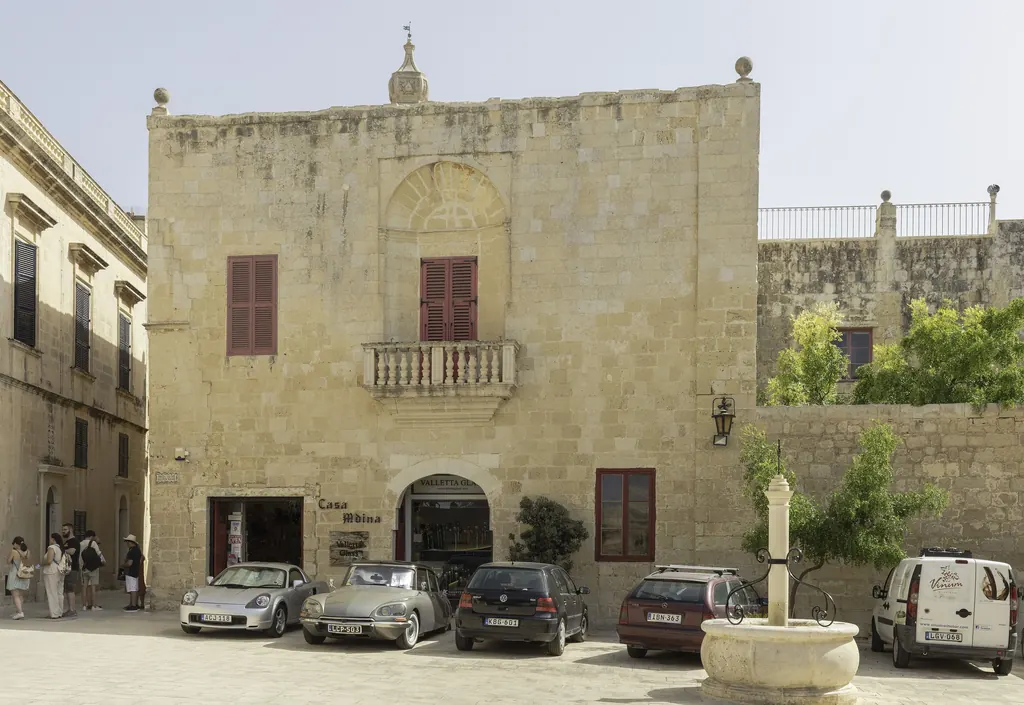
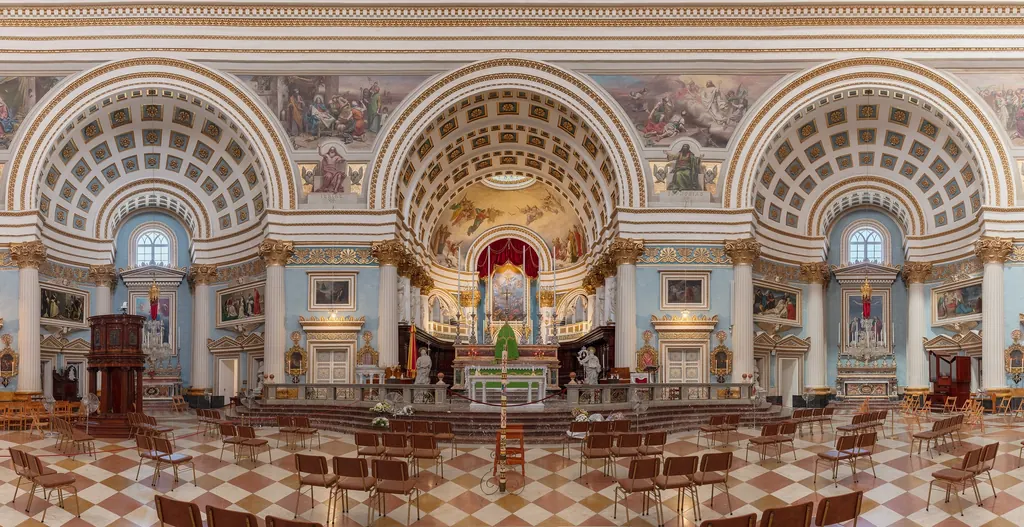
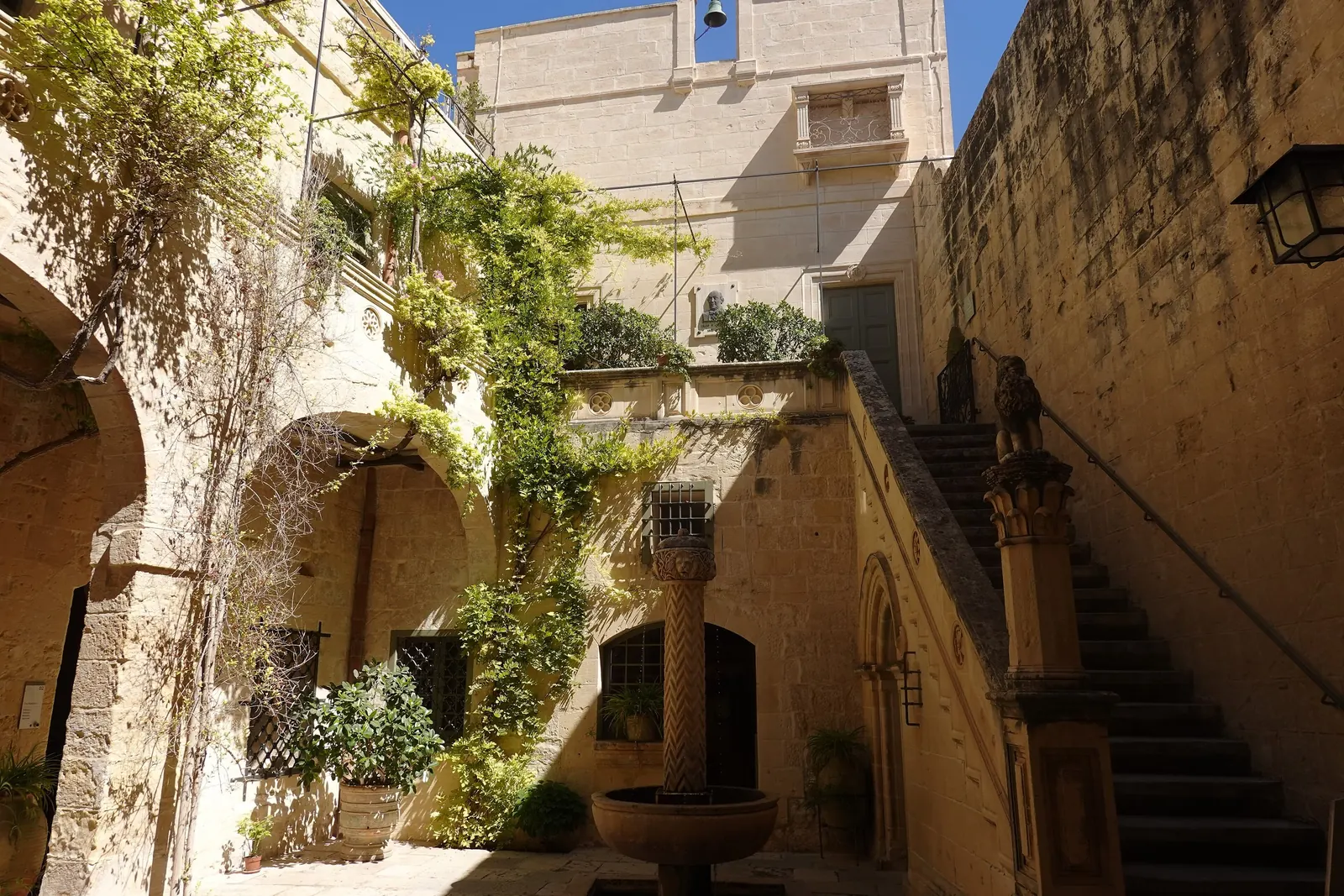
A house of character is the Maltese term for a traditional, usually stone-built home with historic features: a central courtyard, stone arches, timber-beamed or stone-slab ceilings, a well, patterned cement tiles and, often, a roof terrace. The grandest are palazzi, built for noble and merchant families, with formal rooms and elaborate façades. They are found in village and town cores across Malta — in the Three Villages, Valletta, Mdina and Rabat and Żejtun.
Why buyers love them
- Space and light — courtyards and high ceilings bring light deep into the house.
- Thermal comfort — thick limestone walls stay cool in summer.
- Authenticity — a home that could not be built today.
- Scarcity — historic stock is finite, and well-restored examples are rarely offered.
What to check
Structure
Commission an architect’s structural survey. Typical issues in historic Maltese buildings include:
- roofs and waterproofing, including timber beams and stone slabs;
- rising damp and salt in the soft limestone;
- alterations made without permits in past decades;
- services — wiring, plumbing and drainage designed for another era.
Planning and heritage
- Urban Conservation Areas have stricter controls on façades, apertures and heights.
- Scheduled buildings require heritage consent for works as well as planning permission.
- Check that existing alterations are covered by permits, or can be regularised.
Restoration
Budget time and money realistically for restoration by architects and contractors experienced with Maltese limestone, lime mortars and traditional joinery. A sympathetic restoration adds more value than an over-modernised one.
Incentives
Properties in Urban Conservation Areas, and long-vacant properties, have benefited from exemptions from duty and property transfer tax on the first €750,000, and first-time buyers from additional grants. Check the current terms — see UCA incentives.
Buying one as a non-resident
Most houses of character are outside SDAs, so non-resident buyers need an AIP permit — and the property cannot then be let. For many buyers this is not a constraint: these are homes bought to live in.