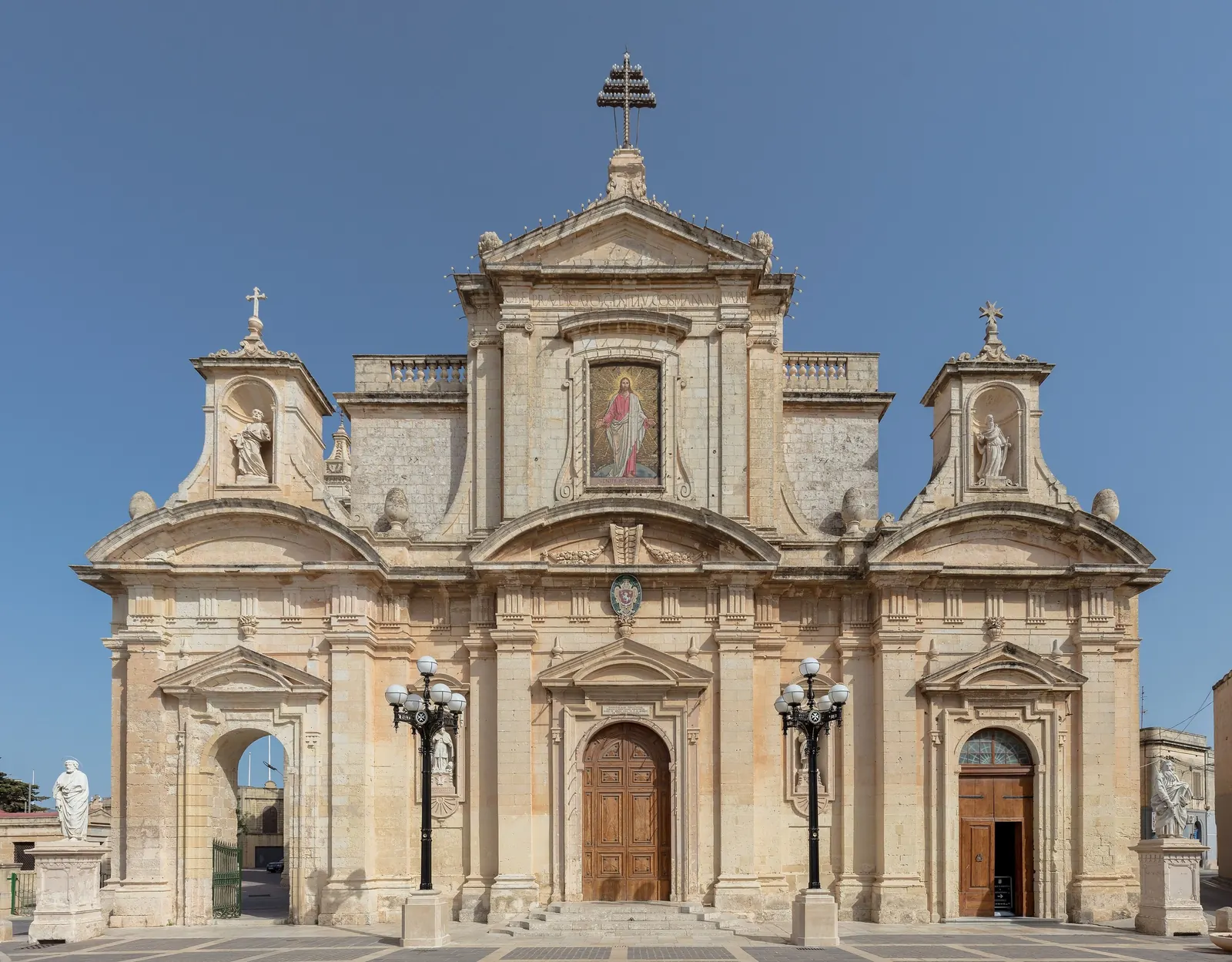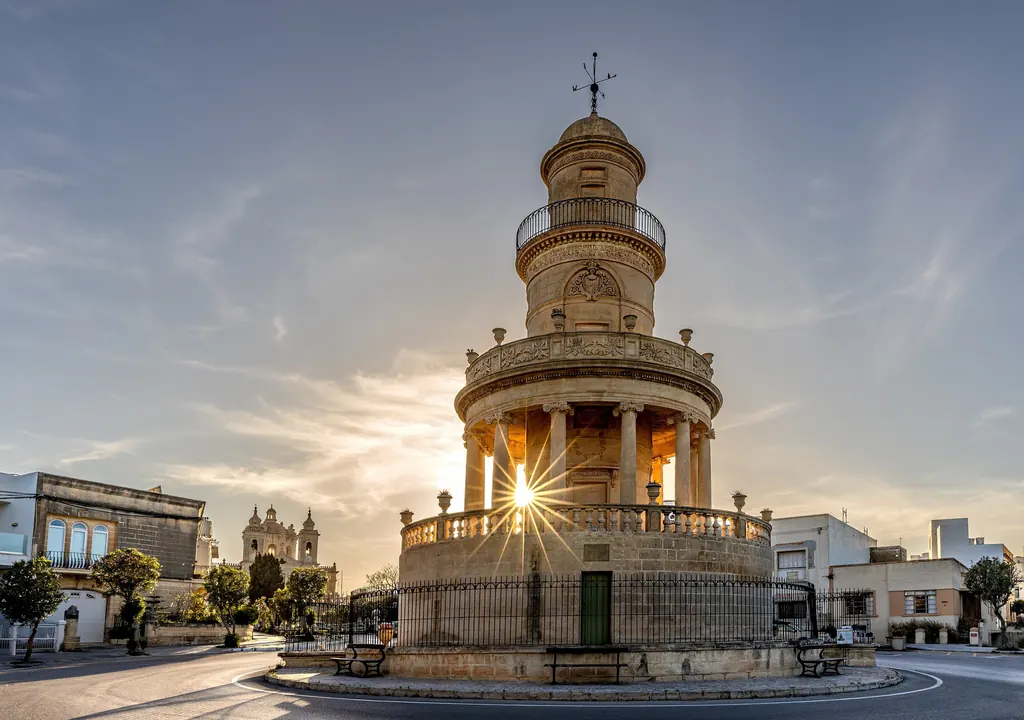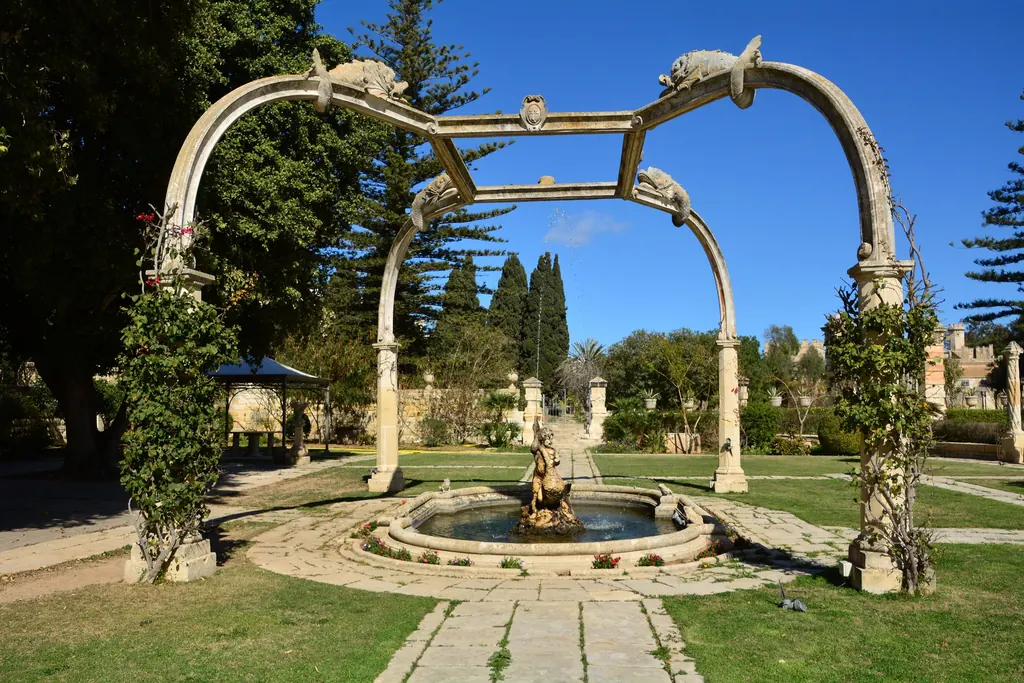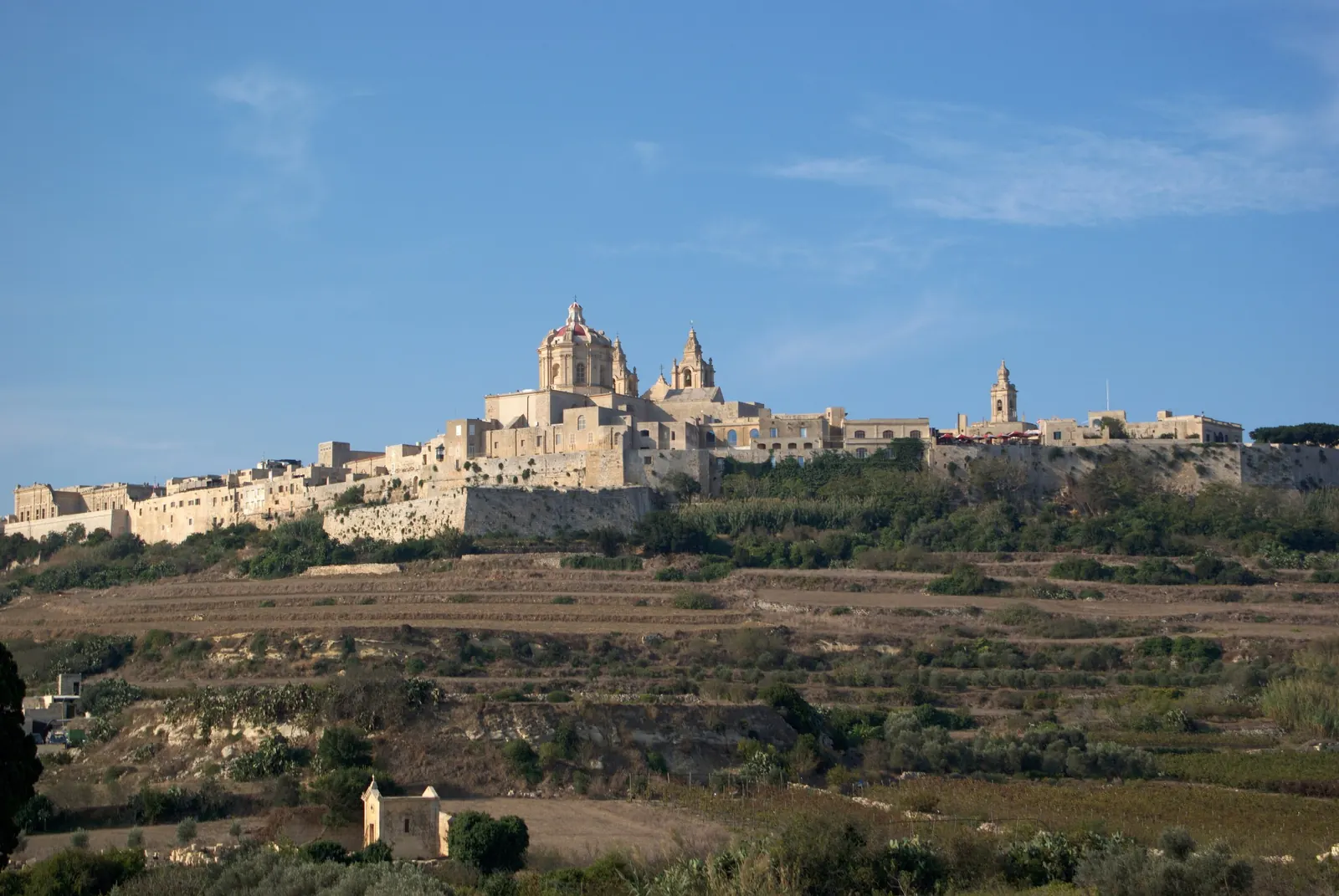
Mdina — often called the Silent City — is Malta’s fortified former capital, a walled town of palaces, churches and narrow lanes. Beyond its gate lies Rabat, a lively historic town with its own churches, catacombs and markets. Together they are one of the most atmospheric places to live in Malta.
Mdina
Inside the walls, cars are few and evenings are hushed. Homes rarely change hands, and those that do are usually palazzi and historic houses of great character, subject to strict heritage controls. The bastions offer views across the island to the sea.
Rabat
Rabat is where most buyers find their home. Its historic core holds houses of character with courtyards, arches and wells, alongside townhouses and newer homes on the outskirts. The town is known for St Paul’s Catacombs and St Paul’s Grotto, and for bakeries, band clubs and busy parish feasts.
Homes and prices
| Type | What to expect |
|---|---|
| Palazzi | Rare, grand and historic — mainly in Mdina |
| Houses of character | Courtyards, stone arches, timber beams — mainly in Rabat’s core |
| Townhouses and newer homes | On the edges of Rabat, often with more parking |
What to check
Historic homes need specialist due diligence: permits for every alteration, the condition of roofs, beams and wells, and any heritage restrictions. Incentives for property in Urban Conservation Areas may apply. Read buying a house of character and use our due diligence checklist.
Everyday life
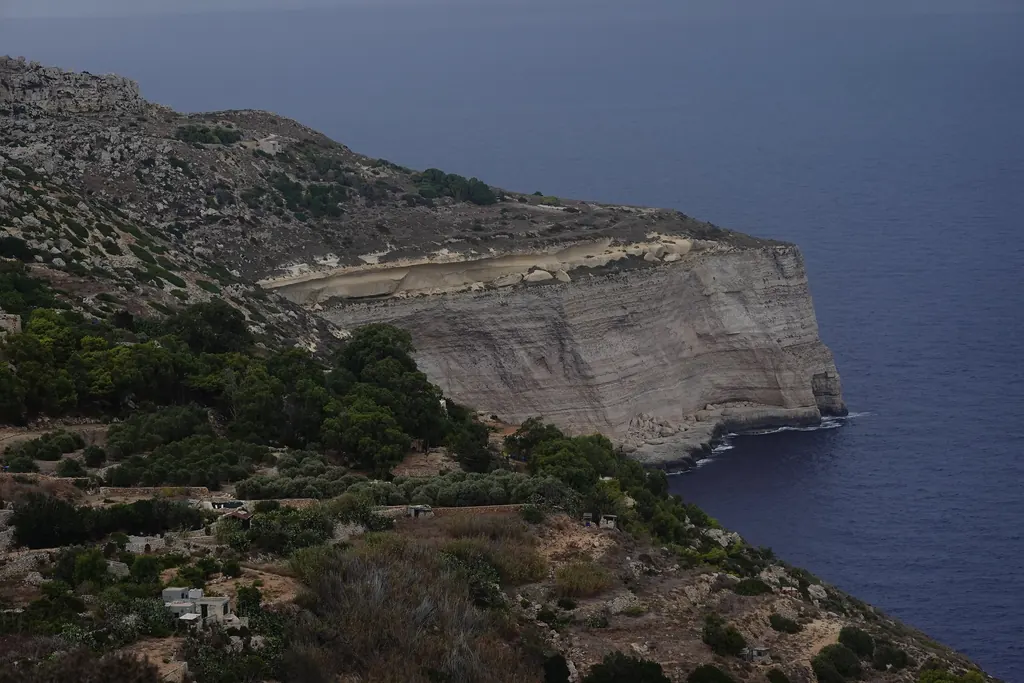
Mdina and Rabat sit near the Dingli Cliffs and the countryside of western Malta. A car makes daily life easier, though buses connect Rabat with Valletta and the rest of the island.