Key facts
- Typical locations
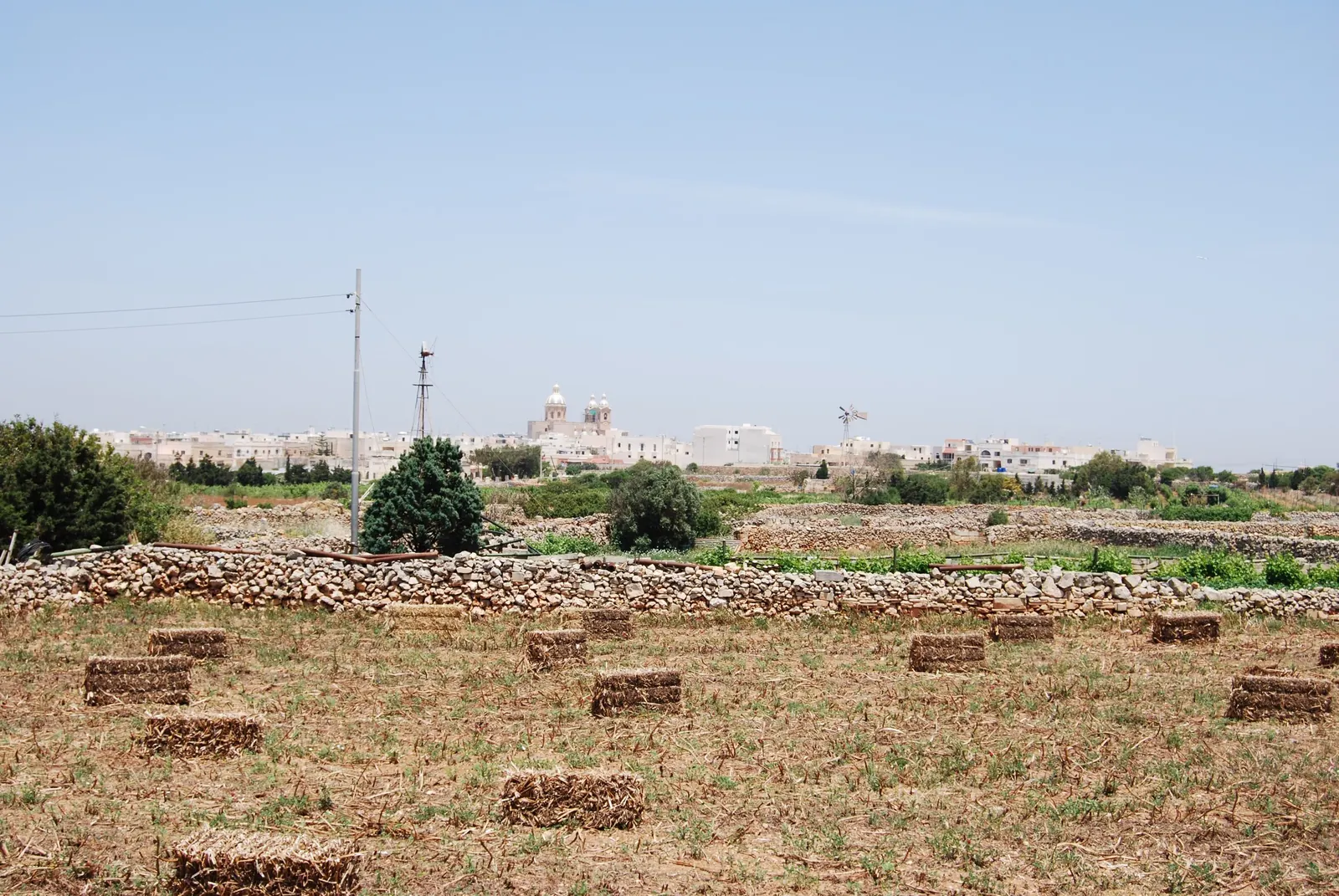
- Rural villages: Għargħur, Naxxar, Siġġiewi, Żebbuġ, Mġarr, Dingli
- Key risk
- Works and land use outside the development zone
- Must check
- Exactly what land is included
- Survey
- Architect experienced in traditional buildings
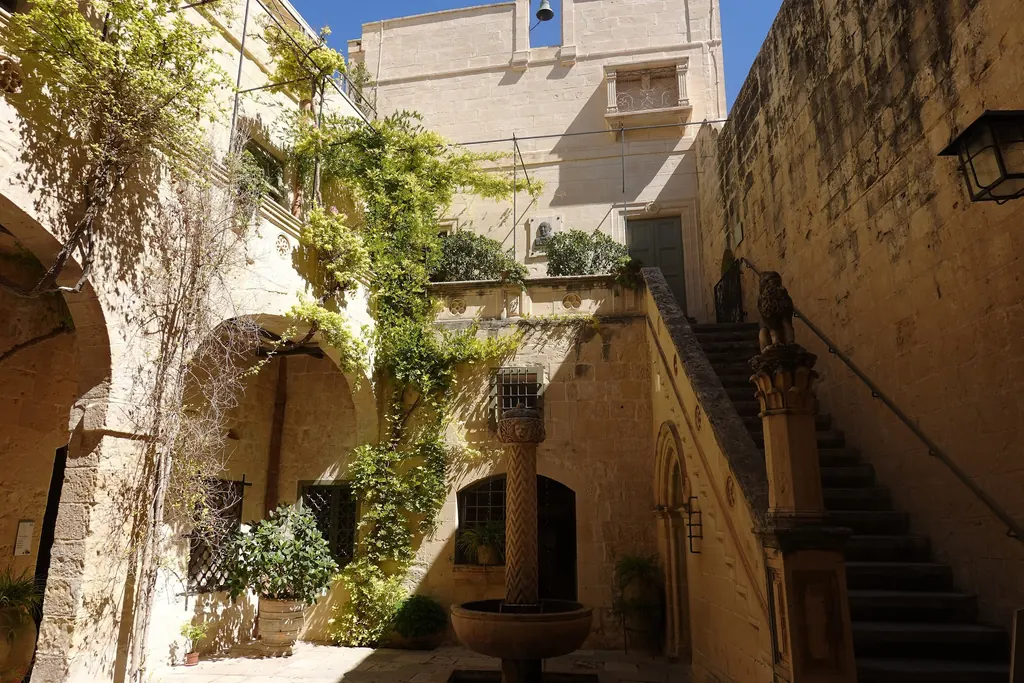
A farmhouse (razzett) is a traditional rural stone home, often centuries old, with thick limestone walls, vaulted or beamed rooms, courtyards and — in many cases — a pool added in a later conversion. They are found on the edges of villages and in the countryside.
What makes a farmhouse different
- Location and zoning. Many farmhouses lie outside the development zone (ODZ), where planning policies are strict. What was built, extended or converted — and whether it was permitted — matters greatly.
- Land. Some come with fields; others only a garden. Fields may be on a separate title or leased to a farmer.
- Construction. Rubble walls, stone vaults and timber or stone-slab roofs need specialist care.
Checks before you buy
- Permits — your architect compares the property with every approved permit: conversions, extensions, pools, outbuildings. See planning permits.
- Boundaries and land — a site plan of exactly what you are buying, and any rights of way across it.
- Title — your notary checks ownership of the house and any land, and any ground rent.
- Structure and damp — rising damp, roof waterproofing and the condition of beams and slabs. See surveys.
- Services — water supply (mains, well or cistern), drainage, electricity.
Restoration
Budget realistically for restoration and allow time for permits. An architect experienced with traditional buildings is essential; see buying a house of character.
Budget about 7%–8% on top of the price for stamp duty, notary and searches — see the costs of buying. Browse farmhouses for sale in Malta.