Key facts
- Strongest demand
- Sliema, St Julian’s, Gżira, Swieqi, Msida
- Long lets
- Contracts registered with the Housing Authority
- Short lets
- Need a Malta Tourism Authority licence
- Rental tax
- Option of a final 15% tax on gross rent
Where tenants want to live
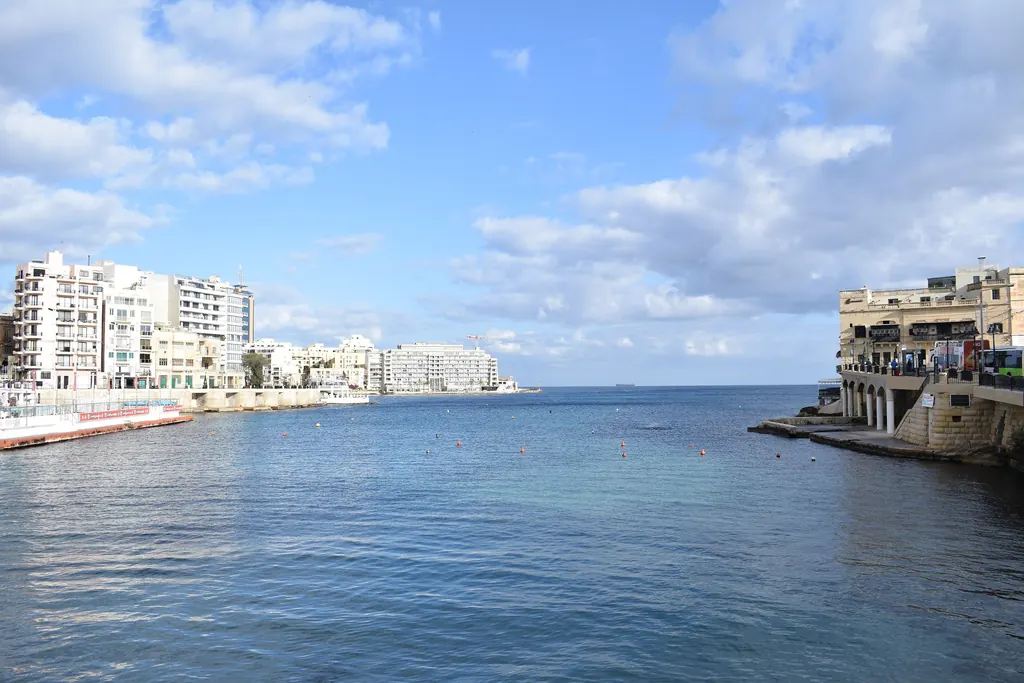
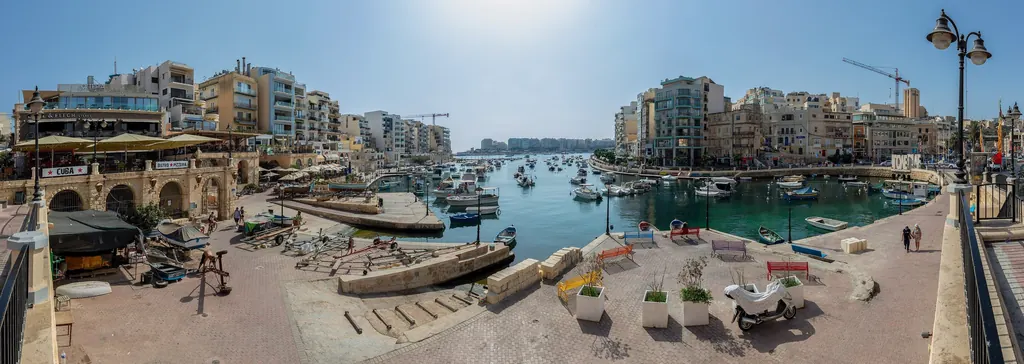
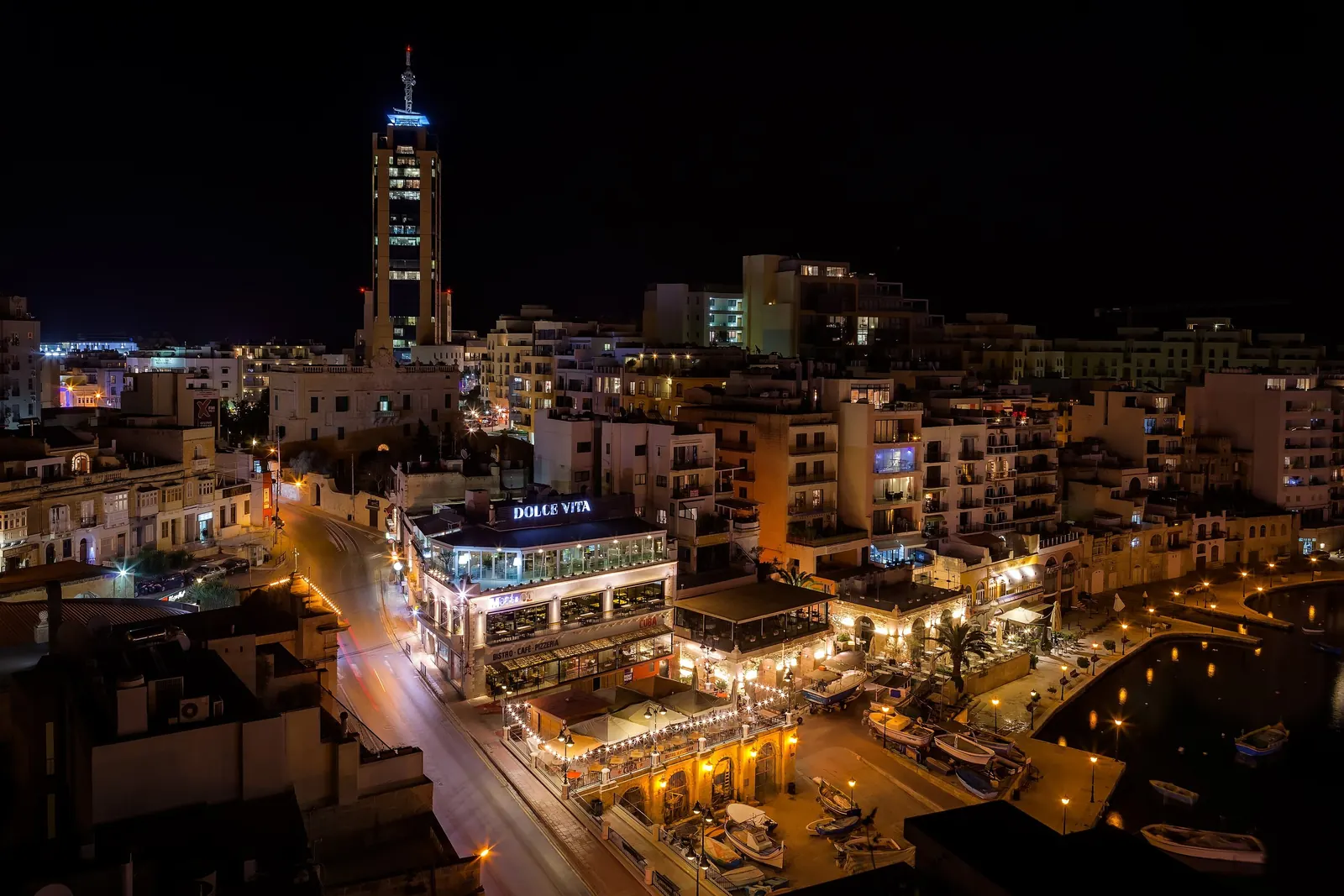
Demand is strongest where people work and socialise: Sliema, St Julian’s, Gżira, Swieqi, Msida and Ta’ Xbiex, close to offices, the university and the seafront. Well-finished apartments with air conditioning, a lift and outdoor space let fastest.
Long lets or short lets?
- Long lets — steadier income, lower management, contracts under the Private Residential Leases Act, registered with the Housing Authority. See letting your property.
- Short lets — higher potential income in season, more work and cost, and a Malta Tourism Authority licence is required. Check that the building’s rules allow them. See the short-let licence guide.
Running the numbers
Work out the net return, not the gross:
- Purchase price plus about 7%–8% buying costs — see costs of buying.
- Furnishing and any works.
- Condominium, insurance, maintenance and periods without a tenant.
- Management fees if you use an agent.
- Tax — the option of a final 15% on gross rent. See rental income tax.
Buying as a non-EU investor
Outside Special Designated Areas, non-EU buyers normally need an AIP permit, and AIP properties generally cannot be let without permission. Most investors therefore look at SDAs such as Tigné Point and Portomaso. See Special Designated Areas.
We can manage it
Our lettings team finds tenants and manages properties for overseas owners. Talk to us.